Timing Your Ride: Seasonal Considerations for ATV Trail Riding in Colorado’s Wilderness
Colorado’s wild landscapes demand attention to seasonal shifts for safe and thrilling ATV trail riding. From spring’s muddy challenges to summer’s sun-soaked trails, this guide offers practical advice and vivid insights to master the state’s ever-changing terrain.
Plan Around Afternoon Weather Patterns
Colorado’s mountainous regions often see unstable weather in afternoons, especially summer thunderstorms. Start early to finish or seek shelter before storms arrive.
Prepare for Variable Trail Conditions
Spring and fall bring muddy, slippery sections and hidden obstacles beneath wet leaves or lingering snow patches. Adjust tire choice accordingly.
Hydrate Often and Monitor Altitude Effects
Higher elevations dry the air, increasing dehydration risk. Carry sufficient water and be mindful of altitude’s impact on stamina.
Check Official Trail and Forest Service Updates
Seasonal closures or restrictions can affect access and safety. Verify trail status before departure to avoid surprises.
Timing Your Ride: Seasonal Considerations for ATV Trail Riding in Colorado’s Wilderness

Eight Hour ATV Rental
8 Hour Rental • Ages 21+ to Rent
Discover Colorado’s stunning landscapes with a private 8-hour ATV rental in Peyton. Perfect for explorers seeking off-road adventure, scenic views, and personalized outdoor fun. Get ready for a day of thrilling exploration tailored to your interests.
Colorado’s wilds challenge and invite you year-round, but the demands of ATV trail riding hinge sharply on the season. The state’s diverse elevations—from foothills dipping around 5,000 feet to alpine zones climbing above 12,000 feet—turn each period into a distinct experience, driven by changing weather, terrain conditions, and wildlife behavior. Knowing when and how to venture maximizes both safety and enjoyment.
Spring (April to June): Trails awaken with the melt, rivers swell and dare your passage. Patches of snow can cling stubbornly above 8,000 feet, turning ridges slick and muddy. Before noon, soak in warming sunshine that thaws frozen ground; afternoons often bring unpredictable showers. This season tests your bike’s traction and your readiness to adjust plans. Expect elevation gains around 1,500 to 3,000 feet on popular routes, with forested corridors offering eye-level glimpses of moose or elk reluctant to leave winter cover.
Summer (July to August): This is prime ATV time. Trails harden beneath your tires, the sun presses down with relentless energy, and pine forests exhale scented breaths beside crystal creeks. With 8-10 hours of daylight, rides stretching 15-30 miles become feasible with breaks. Hydration is critical; the thin air at altitudes above 9,000 feet pulls moisture quickly. Thunderstorms loom often in the afternoon, pushing riders to seek lower ground before skies turn dark. Summer unveils wildflower pockets brightening meadows and active bird life patrolling airspace.
Fall (September to November): Color explodes. Aspen groves flicker golden and red, the crisp air sharpens focus. Trails tighten with early snow risk at higher elevations. Riding here means navigating leaves underfoot that cloak rocks and roots—surfaces eager to trip the inattentive. Cool mornings transition to warm afternoons, offering a rhythm to plan longer excursions around, typically 10–20 miles with 1,000-2,000 feet elevation climbs. Watch for deer moving to winter grounds, their cautious eyes tracking your approach.
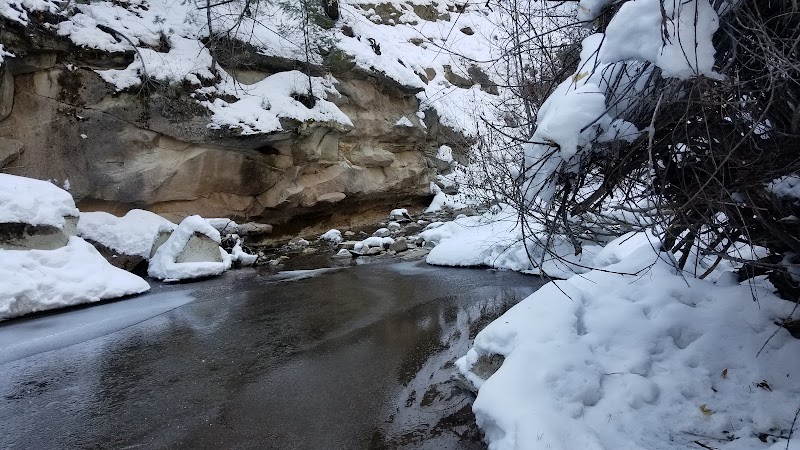
Winter (December to March): Limited access, but fierce in its call. Snow holds most trails captive, demanding specialized gear or snowmobiles instead. Where ATV riding is possible, cold bites and frozen crusts challenge traction and endurance. This season is for the experts who understand mountain weather’s sharp turns and pack for windproofing, insulated layers, and emergency warmth. Wildlife retreats deep, but tracks in snow tell old stories left behind.
Practical Notes: Check trail restrictions and forest service updates—closures are common post-winter or in wet spring. Bring layered clothing to adjust quickly. Tires suited for mud and rock perform best outside dry summer months. Hydration packs, basic repair kits, and navigation tools reduce surprises. Preparing for rapid weather shifts tempers risk and sharpens the ride’s thrill.
Colorado’s wilderness is not a backdrop but an active participant—its rivers push forward in spring runoff, its winds whistle warnings, and its slopes offer moments of quiet respect. Each season crafts a different dialogue between machine, rider, and untamed earth. Approached with knowledge and respect, ATV riders unlock layers of this landscape wild and fiercely itself.
Nearby Trips
All Adventures
Boat Charters
Water Activities
Adventures near Durango
Discover the unique and memorable adventures that make Durango special.
Frequently Asked Questions
When do most ATV trails in Colorado open in spring?
Typically, trails at lower elevations around 5,000-7,000 feet open in late April to early May once snow melts and ground firms. Higher elevation routes may stay closed until June due to lingering snow and muddy conditions.
Are there any special permits required for ATV riding in Colorado wilderness areas?
Yes, many National Forest and BLM lands require a motor vehicle registration or OHV permit. Specific trail systems may require day-use permits, so check local ranger district websites before riding.
What wildlife might I encounter on ATV rides near Durango?
Expect to spot elk, mule deer, black bears, and sometimes mountain lions in remote areas. Early morning or dusk are prime times for wildlife activity; always give animals space and avoid startling them.
What are the best times of day for ATV trail photography in Colorado?
Golden hours—shortly after sunrise and before sunset—offer the best light for capturing trails, ridgelines, and wildlife. Midday photos often feature harsh shadows but useful when capturing faster action shots.
How can I reduce my environmental impact while ATV riding?
Stick to designated trails to protect vegetation, avoid riding in wet or muddy conditions that cause trail erosion, and pack out all trash. Respect seasonal closures put in place to protect fragile habitats.
Are there any lesser-known spots for ATV riders around Durango?
Yes, the Hermosa Creek area offers rugged backroads with fewer riders and stunning views. Be mindful these routes can be technically demanding and require good navigation skills.
Recommended Gear
Helmet with Visor
Protects against branches, debris, and weather—non-negotiable for all season rides.
All-Terrain Tires
Provide better grip on muddy and slick trails common in early season rides.
Hydration Pack
Ensures steady hydration during long summer rides under thin mountain air.
Layered Clothing System
Allows quick adaptation to rapid temperature swings common in autumn.
Local Insights
Hidden Gems
- "Hermosa Creek Trail System with remote forested loops"
- "Animas Forks Ghost Town, a historical spot accessible by ATV"
- "Molas Pass viewpoints overlooking alpine valleys"
- "Mineral Creek Road, a quieter alternative with river crossings"
Wildlife
- "Elk migrating through lower valley forests"
- "Black bears inhabiting dense thickets in late spring"
- "Mountain lions occasionally crossing ridgelines at dusk"
History
"The Durango area was historically central to mining and railroads, with ATV routes often tracing old mining roads and rail beds—areas where the land still whispers of its rugged industrial past."