Navigating Seasonal Trail Conditions in the San Juan Mountains for ATV Enthusiasts
The San Juan Mountains challenge ATV riders with a dynamic blend of seasonal conditions—from spring mud and summer storms to crisp fall air. Discover how to prepare for these shifting trails and experience rugged wilderness in a practical, exciting way.
Plan for Changing Weather
Mountain weather can turn quickly, especially in summer afternoons; check forecasts and schedule rides early in the day to avoid storms.
Carry Adequate Hydration
Altitude increases dehydration risk. Bring at least one gallon of water per rider to maintain focus and stamina on demanding trails.
Use Proper Tires and Suspension
Rocky and muddy terrain requires tires with deep treads and shocks tuned for rough trail absorption to reduce fatigue and increase control.
Respect Closed Trails
Avoid riding on wet or closed trails to prevent environmental damage and trail erosion, especially during spring thaw and after heavy rains.
Navigating Seasonal Trail Conditions in the San Juan Mountains for ATV Enthusiasts

2.5 Hour Rental
Stay nearby to maximize your rental! • All ages welcome, ages 16+ to drive
Discover the rugged beauty of Pagosa Springs with a 2.5-hour UTV rental adventure. Perfect for all skill levels, this experience delivers scenic views and off-road excitement just a short drive from Durango.
The San Juan Mountains stand fierce and unyielding, their trails daring every ATV enthusiast to test skill and gear against nature’s raw pulse. Stretching across southwestern Colorado, these rugged paths carve through alpine forests, across roaring creeks, and beneath towering peaks that hold snow long after summer’s sun has settled. Each season scripts its own story here—trail conditions morph, demanding respect and preparation.
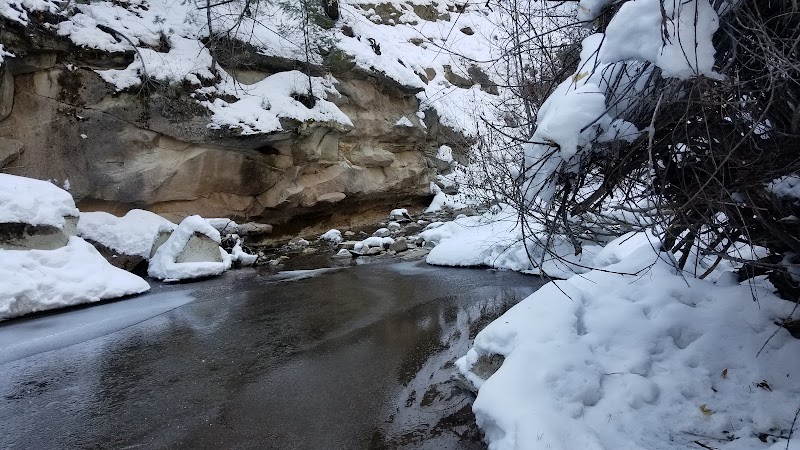
Spring thaws release high-altitude melts into swelling streams, turning some routes into muddy challenges best approached with caution. Expect soft, churning ground on trails between 7,500 and 10,000 feet elevation, where the forest watches with quiet patience and the rivers push temptations to ford them. Summer opens the high country to drier, hard-packed routes with breathtaking views of wildflower-dotted meadows and pine-scented air. Still, afternoon thunderstorms can shift quickly, reminding riders that weather here acts with fierce intent.
Fall offers a bold show, with aspens burning golden and trails firming under cooler temps. This season tightens your window for riding before first snow arrives, often from October through November, particularly above 9,000 feet. Winter locks trails away behind thick white blankets, restricting most access, but inviting snow enthusiasts elsewhere.
Trail lengths widely vary, but popular loops span between 10 to 50 miles, combining elevation gains of 1,000 feet or more. Terrain alternates among rocky ledges, pine-root riddled paths, and sandy washes. Your ride demands tires tuned for grit and balance, shock absorbers set for bumpy surprises, and a mindset keyed to read the land’s changing language.
Hydration is non-negotiable. Higher altitudes intensify dryness and fatigue, so carry at least a gallon of water per rider. Footwear should provide solid ankle support and tough soles to withstand unexpected dismounts on jagged rocks or slippery mud. Timing your ride to avoid afternoon thunderstorms—common in summer—and early dusk in fall preserves your safety and enjoyment.
The San Juans are fiercely themselves, challenging riders to not conquer but engage—learning the cadence of streams, the grip of a fallen log, and the whispers of changing winds. Respect the environment by staying on designated trails to protect fragile alpine plants and prevent erosion. By balancing thrill and prudence, your ATV journey across these mountains becomes a vivid chapter in your outdoor story, grounded in both adventure and responsibility.
Nearby Trips
All Adventures
Boat Charters
Water Activities
Adventures near Durango
Discover the unique and memorable adventures that make Durango special.
Frequently Asked Questions
When is the safest time to ride in the San Juan Mountains?
Early summer, from late June through early September, typically offers the most consistent trail conditions with firm terrain and fewer stream crossing hazards. Mornings are best to avoid afternoon thunderstorms common in July and August.
Are there any trails recommended for beginners?
Most trails in the San Juans are challenging due to rocky terrain and elevation changes. However, some lower elevation routes near Durango provide easier terrain suitable for less experienced riders, such as the Animas River Corridor trail sections.
What wildlife should ATV riders watch for?
Moose, deer, and occasionally black bears inhabit the region. Be alert especially at dawn and dusk, and avoid startling animals by making noise while riding.
Are there restrictions on trail access during certain seasons?
Yes, many trails are seasonally closed in winter and spring to prevent environmental damage during snowmelt and freeze-thaw periods. Checking with local Forest Service offices before heading out is crucial.
What are some lesser-known viewpoints worth visiting?
Hidden spots like Engineer Pass overlook and Mineral Point provide panoramic views away from busier trailheads and are perfect for quiet stops and photographs.
Is it possible to camp along ATV trails in the San Juans?
Dispersed camping is allowed in many parts of the San Juan National Forest, but campers must follow Leave No Trace principles and camp at least 200 feet from water sources and trails.
Recommended Gear
High-traction ATV Tires
Tires with aggressive tread reduce slip on rocks and mud, essential year-round in the San Juans.
Protective Riding Gear
Helmet, gloves, and boots with ankle support protect against trail debris and provide safety during rough rides.
Hydration Pack or Bottles
Packs or bottles ease access to water, critical under summer sun and higher altitudes.
Waterproof Jacket
Protects from sudden summer storms and chilling wind over exposed ridges.
Local Insights
Hidden Gems
- "Engineer Pass Overlook"
- "Mineral Point Trailhead"
- "Cascade Creek Waterfalls"
- "Animas Forks Ghost Town"
Wildlife
- "Elk"
- "Moose"
- "Black Bear"
- "Merriam’s Turkey"
History
"The San Juan Mountains are rich in mining history, with 19th-century ghost towns like Animas Forks reminding riders of past pursuits. These towns offer a glimpse into the mountain’s rugged human narratives alongside the natural one."