
Rainbow River offers paddlers a pristine, spring-fed waterway where timing your trip unlocks the smooth, peaceful float every adventurer seeks. Discover how to read the river’s moods and plan your paddle for optimal conditions and comfort.
Check Water Flow Before Launch
Visit Rainbow Springs State Park’s website or local paddle forums to monitor current river flow rates in cubic feet per second, ideally staying below 150 cfs for a safe float.
Launch Early for Cooler Temperatures
Morning launches avoid midday heat and mosquitoes, benefiting from calm winds and clearer water visibility.
Wear Footwear with Good Traction
Banks can get slippery with algae and mud; waterproof shoes or sandals prevent slips when entering or exiting your craft.
Bring Adequate Hydration and Protection
Florida sun and humidity dehydrate quickly—carry enough water, sunscreen, and insect repellent to stay comfortable and safe throughout the float.
Timing Paddle Trips: Assessing Rainbow River Conditions for a Smooth Float

Kayak Rental
4 hours and 8 hours Rental Options • Row your boat and enjoy the float!
Discover the serenity of Rainbow River with convenient kayak rentals in Dunnellon. Paddle through clear waters, spot local wildlife, and create a memorable outdoor adventure suited for all skill levels.
Rainbow River, with its crystal-clear waters and unhurried current, calls to paddlers looking for a balanced mix of serenity and adventure. But this river is fiercely itself—calm one day, surprisingly swift the next—making timing your trip crucial for a smooth float. Before you set off, understanding the river’s temperament through seasonal flow, weather, and water temperature guides you to the best experience.
The 5.5-mile stretch from the Rainbow Springs State Park headwaters to the confluence of the Withlacoochee River delivers a gentle current, usually pushing paddlers along at around 1 to 2 mph. The river’s consistent flow owes much to its spring-fed nature, meaning conditions vary less than in rain-dependent rivers, but fluctuations are still noticeable after heavy rains or drought.
Spring and early summer bring the clearest waters at around 72ºF, ideal for comfortable paddling and spotting the river’s lively aquatic life. Rain events in this timeframe can heighten the current, requiring paddlers to be prepared for slight rapids and faster stretches. Late summer and fall often see lower water levels, slowing the current and exposing snags or sandbars that dare you to navigate carefully. Winter paddlers find cooler water and quieter banks, with the river’s pulse slowing but no less inviting.
Before launching, check local water level reports at Rainbow Springs State Park or consult recent user feedback online. Expect river flows in cubic feet per second (cfs) to range from 60 to 120; flows on the higher end bring a livelier ride, but anything above 150 cfs signals strong currents best left to more experienced paddlers.
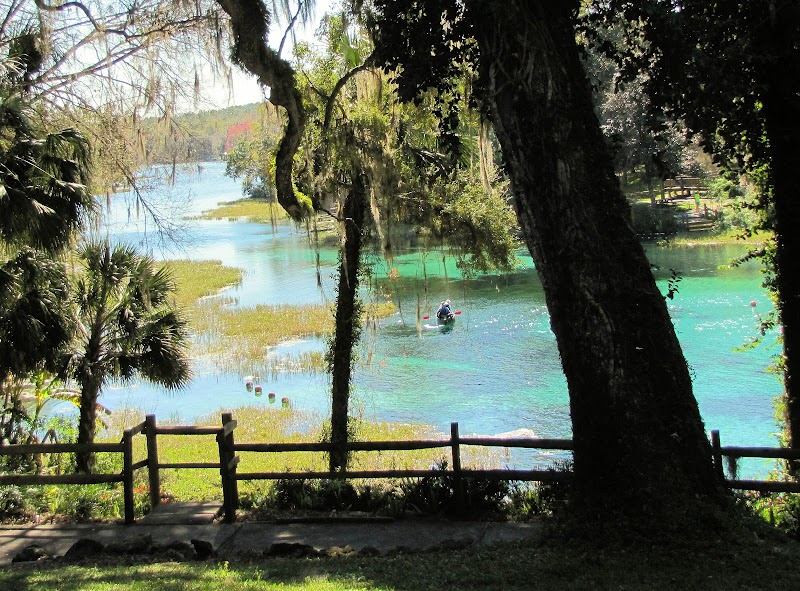
The terrain flanking the river is largely forested, providing natural shade that softens the sun’s heat and frames the panorama with oaks, pines, and palms. This canopy can also make early mornings or late afternoons an excellent time to drift, as the river reflects the subtle shifts in light and shadow.
Practical preparation includes waterproof boots or sandals with traction to handle slippery bank conditions, a quick-dry change of clothes, and a hydration system to prevent dehydration under Florida’s sun. Don’t underestimate insect repellent during warmer months—the river’s lively ecosystem attracts more than just paddlers.
Knowing when the river flows at just the right speed, when the sun’s angles flatten its glassy surface, and when its whispered currents invite exploration rather than challenge, will turn your trip from merely enjoyable to truly memorable. Respect the river’s ever-changing nature, plan accordingly, and you’ll find yourself comfortably in rhythm with a waterway that rewards awareness with peaceful adventure.
Nearby Trips
All Adventures
Boat Charters
Water Activities
Adventures near Dunnellon
Discover the unique and memorable adventures that make Dunnellon special.
Frequently Asked Questions
When is the best time of day for paddling Rainbow River?
Early mornings provide cooler temperatures, reduced wind, and calmer water, making it easier to spot wildlife and enjoy a peaceful float.
Are motorized boats allowed on Rainbow River?
No, motorized boats are prohibited to preserve the river’s natural state and maintain quiet conditions ideal for wildlife and paddlers.
What wildlife might I see along Rainbow River?
Keep an eye out for manatees, turtles, osprey, herons, and occasional otters as you paddle the river’s clear waters.
How cold can the water get during winter paddling?
Water temperatures can dip into the mid to low 60s Fahrenheit, so appropriate gear is recommended to stay comfortable.
Is it possible to hike along Rainbow River?
There are adjacent walking trails near Rainbow Springs State Park that offer a mix of forest and river views, making it easy to combine paddling with a short hike.
What hazards should I be mindful of on the river?
Watch for submerged rocks, occasional low-hanging branches, and riverbank mud that can be slippery. After heavy rains, currents quicken and extra caution is advised.
Recommended Gear
Personal Flotation Device (PFD)
Required for safety; choose a comfortable PFD suitable for warm weather paddling.
Waterproof Map or GPS Device
Keep your route tracked to avoid missing key launch or exit points along the river.
Quick-Dry Clothing
Helps you stay comfortable during humidity and occasional splashes.
Insect Repellent
A must during warmer months when biting insects are most active.
Local Insights
Hidden Gems
- "The overlook at Rainbow Springs State Park offers a panoramic river view few paddlers pause to visit before launching."
- "Historical mill ruins near the river tell the story of early 20th-century settlements dependent on this waterway."
Wildlife
- "Manatees frequent the cooler months, turning the river into a rare Florida sanctuary."
- "The shy limpkins and colorful kingfishers are among the more elusive bird species paddlers can spot."
History
"Rainbow River was historically used by Native American tribes and later by settlers who harnessed its spring power for mills. Today, it remains protected as a first-magnitude spring system."