Wyoming’s Togwotee Mountains transform each winter into a playground of deep snow sledding, where seasonal shifts dictate the pace and challenge. Learn how to prepare for this exhilarating adventure with practical tips to match the changing snow and terrain.
Start Early to Maximize Daylight
Winter days in Togwotee are short; beginning your sledding hike early ensures ample time for ascent and descent before darkness falls.
Use Waterproof, Insulated Footwear
Wet feet mean cold feet. Choose boots that repel moisture and provide warmth while maintaining grip on icy patches.
Pack High-Calorie Snacks and Stay Hydrated
Cold air masks thirst; drink water frequently and keep energy high with portable, calorie-dense foods like nuts and energy bars.
Monitor Weather and Snow Conditions
The Togwotee snowpack varies rapidly; check local forecasts and trail reports to avoid hazardous crusts or storms.
Navigating Seasonal Shifts for Deep Snow Sledding in Wyoming’s Togwotee Mountains

Four Day Rentals - Without Guide
Prepare Yourself For the Ultimate Adventure!
Embark on a self-guided snowmobile adventure in Wyoming's rugged terrain with Four Day Rentals at Togwotee Mountain Lodge. Enjoy four days of freedom, exploring scenic snowy landscapes at your own pace. Perfect for adventure-seekers eager for independence in the winter wilderness.
The Togwotee Mountains in Wyoming offer a compelling stage for deep snow sledding, where the rhythm of the season reshapes the terrain and challenges. As winter unfurls, the hills become a thick white canvas, the snow daring you to push your limits while demanding respect for its unpredictable depth and density. Here, sledding isn't just sliding downhill; it’s a dynamic engagement with a landscape that’s fiercely itself.
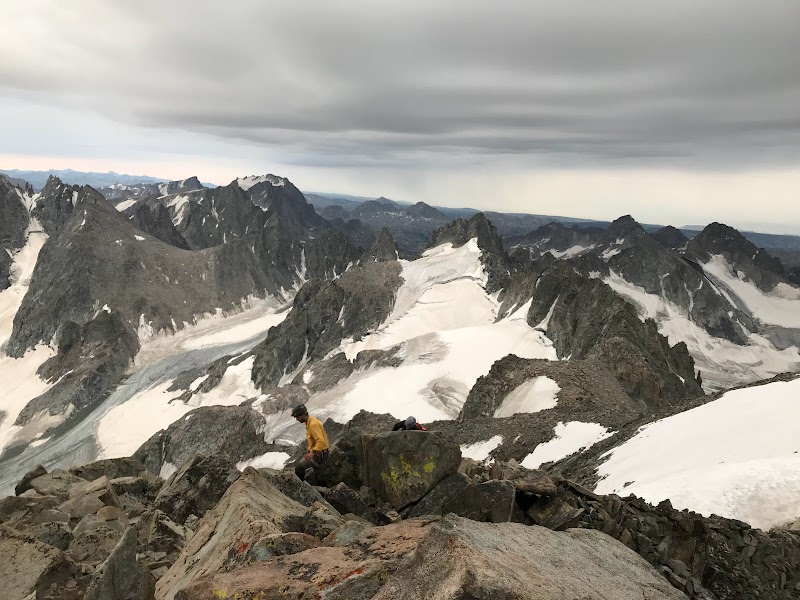
Planning your trip means tuning into the seasons. Early winter brings fresh, powdery blankets, perfect for smooth sledding but requiring extra effort to break trail. Mid to late winter tightens the snow, layering crusts atop soft underbellies—ideal for speed but with hidden pitfalls beneath thin crusts. The terrain ranges from gentle slopes through dense spruce forests, where the trees stand like watchful sentinels, to open ridgelines that invite sweeping glides and striking views of the Absaroka Range.
Expect about a 5-mile round trip if you hike to prime sledding spots, with elevation gains up to 1,200 feet, enough to get your heart pumping during the ascent. The path cuts through mixed terrain—soft snow underfoot, occasional icy patches, and wind-scoured ridges. Wear waterproof boots with solid traction and layer up; moisture-wicking base layers paired with insulated outerwear keep conditions manageable. Hiking poles improve balance over uneven snow.
Hydration and energy management are crucial—cold air often masks dehydration, so regular water intake and calorie-packed snacks are non-negotiable. Start early to maximize daylight, as winter shadows grow long and cold fast creeps in. Weather shifts happen rapidly; a sunny morning can turn into a heavy snow shower, so carry compact emergency gear and check forecasts closely.
Local wildlife, from elk scanning the edges of woods to raven calls urging caution, add life to the experience but also remind you that you are a respectful guest here. Leave no trace; the deep snow conceals fragile alpine plants and small animal tracks—tread lightly.
Seasonal adjustments don’t just prepare you for conditions—they deepen your connection to this mountain’s pulse, balancing adrenaline with awareness. The Togwotee Mountains challenge you not to conquer, but to adapt and move with the terrain, savoring every crisp glide and breath in the frosted air.
Nearby Trips
All Adventures
Boat Charters
Water Activities
Adventures near Dubois
Discover the unique and memorable adventures that make Dubois special.
Frequently Asked Questions
What is the best route for deep snow sledding in the Togwotee Mountains?
The trails ascending from the Togwotee Pass area toward the ridgelines offer varied slopes and reliable snowpack, with options to adjust distance between 2 to 5 miles round trip. These routes feature forested stretches and open glades ideal for sled runs.
Are there avalanche risks I should be concerned about?
Yes, especially in late winter and early spring when warming temperatures create unstable snow layers. Check avalanche forecasts daily, avoid steep slopes over 30 degrees, and carry avalanche safety equipment if venturing off designated trails.
Can beginners safely attempt deep snow sledding here?
Beginners can enjoy gentler slopes near trailheads during fresh snowfall but should consider going with experienced guides or joining group sledding outings to learn terrain reading and safety precautions.
What wildlife might I encounter during sledding?
Elk frequently graze near tree lines; coyotes prowl quietly through the brush, and ravens circle overhead, often guiding hikers. Always observe from a distance and minimize disturbance.
What are some lesser-known viewpoints in the Togwotee Mountains?
Look for a ridge west of Togwotee Pass, offering expansive views of the Absaroka Range and nearby Wind River Basin—accessible with a moderate climb and perfect for breaks or photography.
How do I minimize my environmental impact while sledding in deep snow?
Stick to established trails when possible to avoid damaging buried alpine vegetation, pack out all waste, and respect wildlife habitats, especially during the fragile winter months when animals conserve energy.
Recommended Gear
Waterproof Insulated Boots
Keeps feet dry and warm while providing traction in snow and ice.
Hiking Poles with Snow Baskets
Improves balance and helps distribute weight on soft or uneven snowy terrain.
Layered Clothing System
Allows temperature regulation; includes moisture-wicking base layers, insulating mid-layers, and windproof outer shells.
Emergency Thermal Blanket
Compact safety gear to retain body heat if stranded or delayed.
Local Insights
Hidden Gems
- "Wind-sculpted snow dunes near Togwotee Pass"
- "Quiet forest clearings favored by wintering elk"
- "Ridge lines with panoramic Absaroka views"
Wildlife
- "Elk"
- "Coyotes"
- "Ravens"
- "Snowshoe hares"
History
"Named after Togwotee, a Shoshone leader, the mountains hold cultural significance and historical importance as a migration and hunting area for indigenous peoples and early settlers."