Surf fishing along 30A and the Emerald Coast combines dynamic coastal adventure with essential regulations designed to protect fragile marine life. This guide empowers anglers with clear licensing info, practical tips, and regulatory insights needed to fish responsibly and maximize success.
Secure Your Saltwater Fishing License
All anglers 16 and older must carry a valid Florida saltwater fishing license. Purchase it online or from local bait shops ahead of time to avoid fines.
Check Seasonal Catch Limits
Species like red drum and spotted seatrout have seasonal bag and size limits. Review the latest from the Florida Fish and Wildlife Conservation Commission before heading out.
Respect Protected Zones
Avoid fishing in turtle nesting areas or seagrass beds marked with signage. These zones are crucial habitats and have strict closures during breeding seasons.
Plan Around Tide and Weather
Surf fishing thrives when you match tides and weather to fish activity. Early morning or dusk near tides changing from low to high are often best.
Mastering Surf Fishing Regulations and Licensing on 30A and Emerald Coast

Basic Surf Fishing Gear Rental
This is our most popular option • For all ages!
Discover the joy of surf fishing at Santa Rosa Beach with Reel 30A's guided tour, perfect for anglers of all levels. Rent gear, learn tips from local experts, and enjoy stunning Gulf Coast views in this hands-on outdoor adventure.
Surf fishing along Florida's 30A and Emerald Coast offers a thrilling interface with the Gulf's restless waters. These stretches of shoreline challenge anglers to understand a framework of regulations designed to protect both fish populations and the fragile coastal ecosystem. Before baiting your hook, it’s crucial to verify licensing requirements — a Florida saltwater fishing license is mandatory for most anglers over 16, available online or at local retailers. Make sure to carry it with you, as enforcement can be spots of sudden authority.
Beyond licensing, species-specific rules govern what can be caught and kept. For example, red drum, spotted seatrout, and flounder dominate the surf fishing scene here but each has size and bag limits that vary by season. Keep a close eye on updates from the Florida Fish and Wildlife Conservation Commission (FWC) as these rules can shift to address population health.
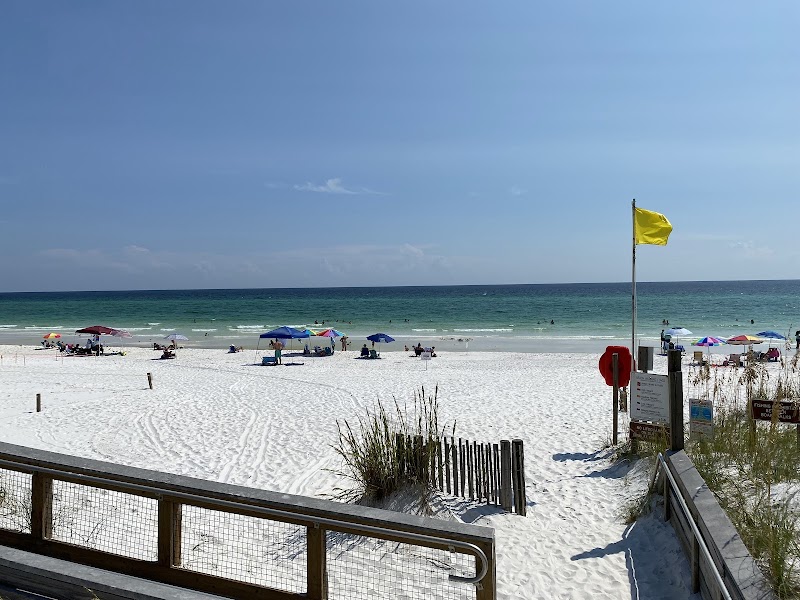
Restricted zones pepper the coastline, particularly near protected habitats like seagrass beds and nesting sea turtle areas. Access points along 30A range from broad sandy beaches to narrower, dune-backed stretches where you’ll need to respect posted signs or seasonal closures. Launch early or late in the day to avoid crowds and maximize creature activity.
Tackling surf fishing here means engaging with a natural force that’s always in motion. The Gulf’s waves push and pull, testing your cast and patience. On windy days, casting distances shrink but fish activity may spike closer inshore. Tide schedules influence bait selection and how fish behave — low tides often reveal feeding flats, while high tides hover closer to dunes. Equip yourself accordingly with robust tackle and a keen eye for the horizon.
Practice catch and release with care, using proper knot techniques and barbless hooks where possible to ensure fish survive the encounter. Stay aware of your surroundings, both for environmental protection and your safety: rip currents can shift without warning, daring you to keep your balance.
Finally, local anglers are a treasure trove of knowledge; engage with them to gain tips on hotspots and seasonal patterns. Your adventure on 30A and the Emerald Coast is as much about respecting the rules as it is about riding waves and reeling in the rewards of the Gulf’s untamed spirit.
Nearby Trips
All Adventures
Boat Charters
Water Activities
Adventures near Destin
Discover the unique and memorable adventures that make Destin special.
Frequently Asked Questions
Do I need a fishing license to surf fish on 30A and the Emerald Coast?
Yes, anglers aged 16 and older must have a Florida saltwater fishing license to fish in state waters, including the surf zones of 30A and the Emerald Coast. Licenses are available online or at local vendors.
What species can I expect to catch while surf fishing here?
Common catches include red drum, spotted seatrout, flounder, sheepshead, and occasional kingfish. Species availability depends on season, tidal patterns, and weather conditions.
Are there any protected areas or seasonal closures I should know about?
Yes, sea turtle nesting sites and seagrass beds are protected with seasonal fishing prohibitions, mainly from May through October. Signage and local enforcement indicate these sensitive zones.
How do tides affect surf fishing success on 30A and Emerald Coast?
Tides direct fish behavior—many species feed actively during moving tides (incoming or outgoing). Low tides can expose feeding flats, while high tides bring fish closer to dunes and anchor points.
What are common challenges surf anglers face on the Emerald Coast?
Wind and weather shifts can complicate casting and fish activity. Rip currents pose safety hazards, and crowded beaches in peak seasons reduce peaceful fishing spaces.
Where can I find local updates about fishing regulations and conditions?
The Florida Fish and Wildlife Conservation Commission’s website offers current regulations and emergency closures. Local tackle shops also provide real-time tips and advisories.
Recommended Gear
Saltwater Fishing License
Required by Florida law to fish in surf waters 30A and Emerald Coast.
Lightweight Protective Clothing
Breathable fabrics with sun protection to combat strong coastal sun and heat.
Tide and Weather App
Real-time updates on tides and weather to optimize fishing times and safety.
Barbless Hooks
Encourage catch-and-release by reducing fish injury and improving survival.
Local Insights
Hidden Gems
- "Henderson Beach State Park’s quiet shorelines"
- "Grayton Beach State Park’s dune lakes nearby"
- "Secluded access points around Deer Lake State Park"
Wildlife
- "Loggerhead sea turtles (nesting season May–October)"
- "Dolphins frequently patrol nearshore waters"
- "Shorebirds like least terns and snowy plovers"
History
"30A was historically a fishing community where local knowledge of surf patterns was passed down through generations, giving rise to distinct fishing techniques adapted to the shifting Gulf sands."