Navigate the essential logistics of Gulf Coast inshore fishing trips with confidence. From selecting launch sites to coordinating tide-based meetups, this guide equips anglers with practical steps to make every moment on the water count.
Confirm Your Meeting Point and Time
Always double-check exact meetup locations with guides or your group, arriving early to avoid last-minute confusion.
Check Tide Charts Ahead of Your Trip
Use local tide apps or charts to plan launch and fishing times for the best water conditions and fish activity.
Pack Hydration and Snack Supplies
Bring enough water and non-perishable snacks to keep energy levels high during long on-water hours.
Secure Valid Fishing Licenses
Purchase state-specific fishing licenses online in advance to avoid fines and streamline your adventure.
Mastering Logistics and Meeting Points for Gulf Coast Inshore Fishing Trips
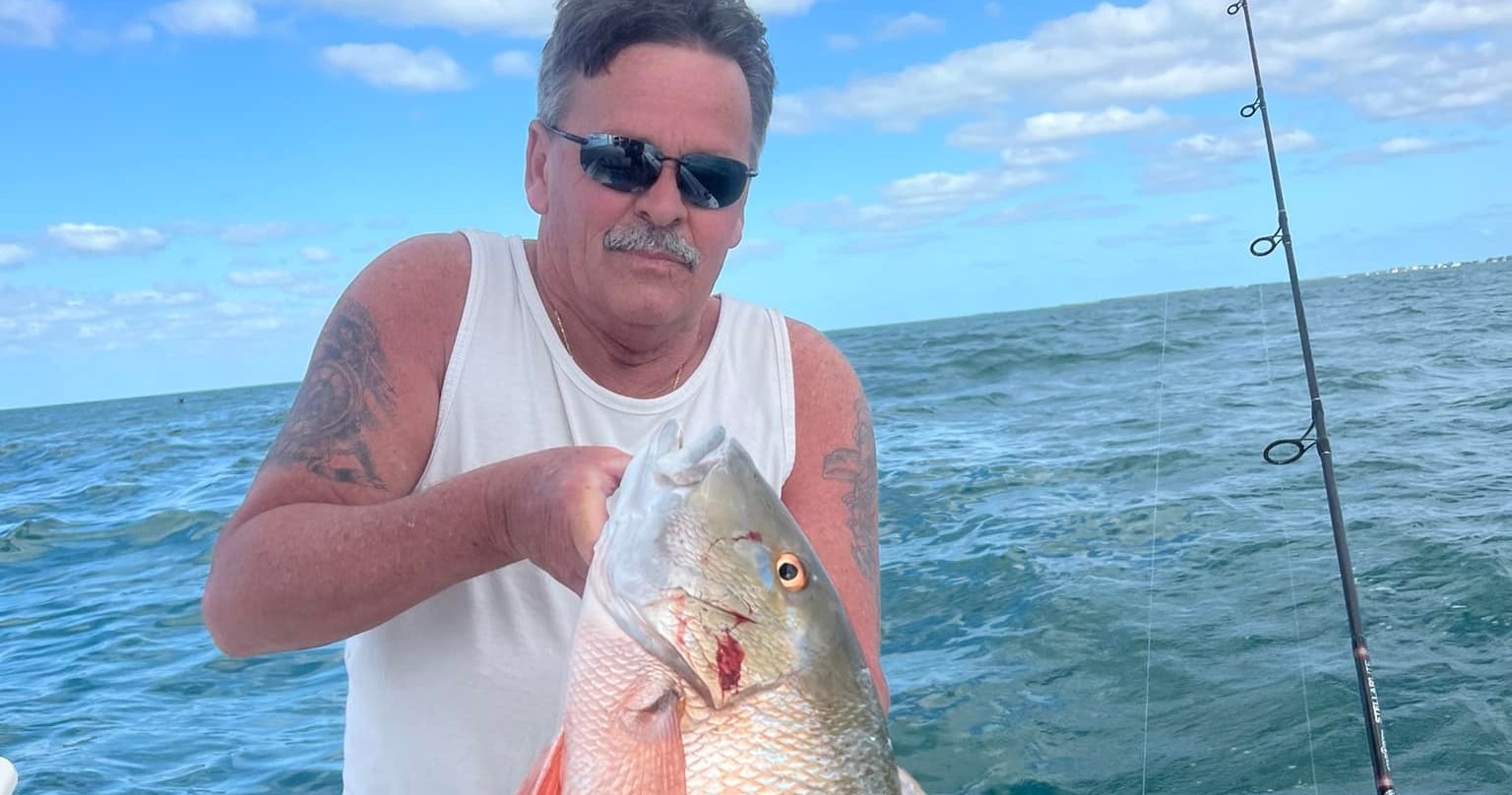
Inshore Fishing Half Day
All ages • 4 Hours • Up to 6 people
Discover the joys of inshore fishing with TNT Charters in Little Torch Key. This private half-day trip offers expert guidance, stunning scenery, and the chance to catch local fish species in Florida's beautiful waters.
The Gulf Coast's inshore waters call to anglers with a challenge as constant as the tide — a dance between patient skill and nature's unfurling moods. Planning an inshore fishing trip here means more than just bringing your rod; it demands a sharp focus on logistics and meeting points to maximize your time on the water.
Start with pinpointing your launch site. Popular spots like Port Aransas in Texas, Destin in Florida, or Gulfport in Mississippi each offer distinct access points to the bayous and estuaries where redfish, speckled trout, and flounder await. These launch sites are crucial waypoints where anglers gather before heading into shallow marshes or winding sounds. Arrive early — well before sunrise — to coordinate with your captain or group. The soft hum of engines starting signals the day’s pursuit, but late arrivals risk missing the fishing window that tides dictate.
Understanding tide charts isn’t optional; it’s your secret weapon. The Gulf’s waters surge and recede with purpose, pushing schools of baitfish closer to shore and pulling game fish into ambush positions. Channels and flats change character as water levels rise and fall, challenging your navigation skills. GPS apps custom-tailored for fishing trips help you track both tide data and meeting points in real time, making rendezvous easier and safer.
Communication stands tall as the pillar of a smooth trip. Whether you’re meeting guides at docks or rendezvousing offshore, ensure phone signals or marine radios are checked beforehand — the water has a way of swallowing signals, and stranded guests find quick frustration where excitement should live. Confirm details on time, location, and what gear to bring, especially any bait or tackle your guide prefers. This planning cuts down on missteps and maximizes fishing minutes.
If traveling with a group, designate a clear meeting point. This might be a public boat ramp, marina parking lot, or an agreed spot on the water marked by a unique boat or buoy. Arrive fully prepared: check your vehicle’s parking rules, have extra cash for potential fees, and carry a portable cooler pre-stocked with hydration and snacks to keep energy steady throughout.
Don’t overlook local regulations. Purchase any necessary fishing licenses ahead of time — many Gulf states offer quick online options — and brush up on slot limits and protected seasons. Inshore fishing means respecting not just the targeted species but the wetlands and estuaries that house them. The environment is a fiercely alive partner in your adventure, commanding care and attention.
Finally, be flexible. Weather on the Gulf Coast can alter plans with swift, decisive turns. Have a backup meeting plan and a way back to shore in case the wind or storms push the currents too aggressively. Consider tide windows not just for fishing but for safe launch and retrieval.
Inshore fishing here is a balanced act: a practical logistics puzzle overlaid with the thrill of the catch. By mastering routes, meeting points, and preparation, you cut through uncertainty and stand ready to meet the Gulf’s wild pulse. The fish wait — and the tides beckon.
Nearby Trips
All Adventures
Boat Charters
Water Activities
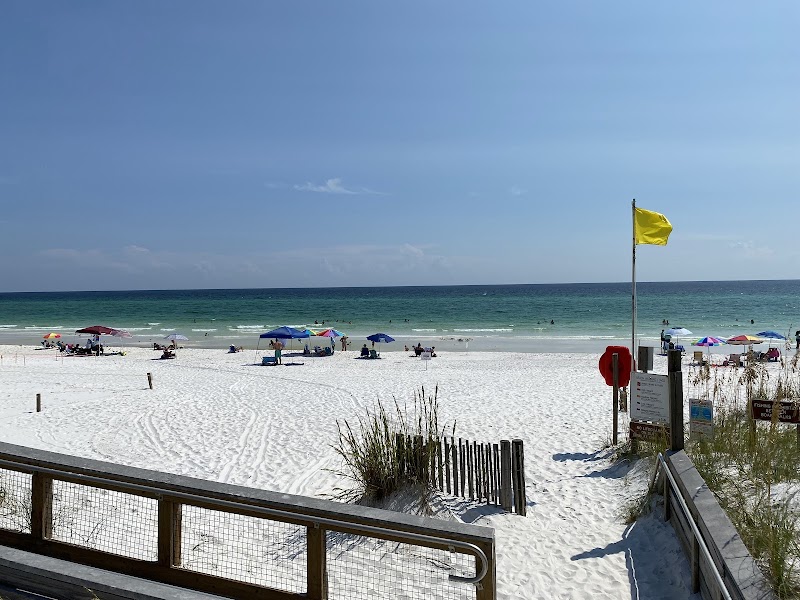
Adventures near Destin
Discover the unique and memorable adventures that make Destin special.
Frequently Asked Questions
What is the best way to coordinate meeting points for large groups?
Select a clear, easily accessible public boat ramp or marina parking lot with ample space. Use group chats or marine radios to communicate and confirm arrival times. Always assign a lead person to organize and update the group if plans change.
How far in advance should I book a guide or charter for Gulf Coast inshore fishing?
Booking at least 2–4 weeks ahead during peak seasons ensures availability, especially on weekends and holidays. Off-season bookings may have more flexibility but communicating early is still advisable.
Are there environmental rules unique to Gulf Coast inshore fishing I should know about?
Yes. Many areas enforce catch limits, protected spawning zones, and seasonal restrictions to preserve fish populations. Also, avoid disturbing seagrass beds and wetlands, as these are critical habitats.
What local species can I expect to catch on an inshore trip?
Common targets include redfish, speckled trout, flounder, sheepshead, and occasionally tarpon. Species vary based on season and precise location within bays or estuaries.
How reliable is cell phone coverage at Gulf Coast launch points?
Coverage is generally good near marinas and launch ramps but can weaken significantly while offshore, especially in narrow estuary channels where wetlands interfere with signals.
Is it necessary to bring my own bait, or is it provided by guides?
Policies vary. Many guides provide live or artificial bait, but confirming beforehand saves hassle. If self-guiding, purchase bait from local tackle shops offering fresh live bait suited to target species.
Recommended Gear
Lightweight Fishing Rod and Reel
A versatile rod suited for inshore species provides precise control and reduces fatigue over long casts.
Waterproof Offshore Jacket
Early spring mornings can be chilly and damp; a lightweight jacket protects against wind and unexpected drizzle.
Polarized Sunglasses
Essential for cutting glare on the water’s surface, making it easier to spot fish and navigate shallow flats.
Hydration System or Water Bottles
Keeping well-hydrated in heat prevents exhaustion and helps maintain sharp focus throughout the outing.
Local Insights
Hidden Gems
- "Johnson Bayou marsh flats—less crowded with great redfish runs"
- "Quiet sandbar in East Pass for a midday break"
- "Secluded oyster shell reefs near St. Joe Bay offering key trout spots"
Wildlife
- "Osprey diving for fish"
- "Dolphins cruising shallow edges"
- "Mangrove snapper hiding around roots"
History
"The Gulf Coast has a rich fishing heritage dating back to indigenous communities who depended on these waters. Many local docks reflect decades-old traditions of small-scale commercial fishing, blending culture with livelihood."