Florida’s coastal waters offer a thrilling scalloping experience for snorkelers eager to engage with vibrant seagrass beds and the treasures beneath. With the right gear and timing, your scalloping adventure near Destin becomes an efficient and rewarding exploration of nature’s coastal gifts.
Choose a Mask with Wide Peripheral Vision
A high-quality mask that seals well and offers an expansive view helps you spot scallops quickly and stay aware of surroundings in shifting currents.
Use Flexible Fins for Better Maneuverability
Flexible blades conserve energy in Florida's gentle but sometimes unpredictable coastal currents, giving you more stamina on longer swims.
Wear Neoprene Booties to Protect Feet
Protected feet avoid cuts from sharp shells and rocks scattered across the seabed, increasing comfort and safety.
Time Your Trip Around Low Tide and Morning Hours
Scallops gather in shallower waters during low tides, often early in the day, making spotting easier and water conditions calmer.
Gear Up Right: Essential Snorkeling Tips for Florida Scalloping Adventures

Scalloping Charters
All ages • 4 Hours • Up to 6 People!
Join Salty D’s Charters in Spring Hill for a 4-hour scalloping trip where you can snorkel the Gulf waters, catch your own scallops, and enjoy fresh seafood fun. Perfect for families and outdoor enthusiasts alike, this adventure offers a hands-on experience in Florida’s vibrant coastlines.
Florida's coastal waters invite snorkelers with warm currents that coax you into a vivid underwater world where scallops cling to seagrass beds. Scalloping isn’t just casual dipping—it demands gear that responds to the water's playful push and the seabed’s shifting textures. When preparing for scalloping excursions in Florida’s Gulf Coast, especially near the clear blue stretches off the Panhandle or the Big Bend region, the right setup can make the difference between a successful day and an exhausting swim.
Start with a high-quality snorkel mask that offers a wide field of vision. The underwater landscape is an active participant—it shifts and conceals, daring you to stay alert. A mask that seals well against the face keeps saltwater at bay, ensuring clear views of scallops glinting among the swaying seagrass.
Choose fins that balance power and comfort. The currents may nudge or pull—you need to respond steadily without draining your energy. Opt for fins with flexible blades that facilitate smooth glides, allowing you to hold position in sandy or slightly choppy conditions. Avoid overly stiff fins that tire calf muscles too quickly.
Protection matters too. Florida's sun can burn more fiercely over layered water, making a UV-protective rash guard essential, especially during midday outings. Also, the seabed around scalloping zones is peppered with invisible hazards—sharp shells, tiny rocks, or crab claws—so a pair of neoprene booties is crucial to give your feet confidence on uncertain footing.
Don’t neglect your mesh bag for collecting scallops. A sturdy, quick-draining bag ensures your catches don’t weigh you down or tangle with your fins. Plus, it keeps your hands free, allowing full engagement with your environment.
Before you enter the water, check tides and water clarity. Morning low tides often reveal more scallops in accessible shallows, and clearer waters mean better spotting. Timing your trip with these natural rhythms amplifies your success and safety.
With this practical yet adventure-ready approach, your Florida scalloping trip will be efficient, exhilarating, and safe—a chance to engage with the sea’s pulse rather than simply observe it. This dance with nature is as much about respect as it is about discovery.
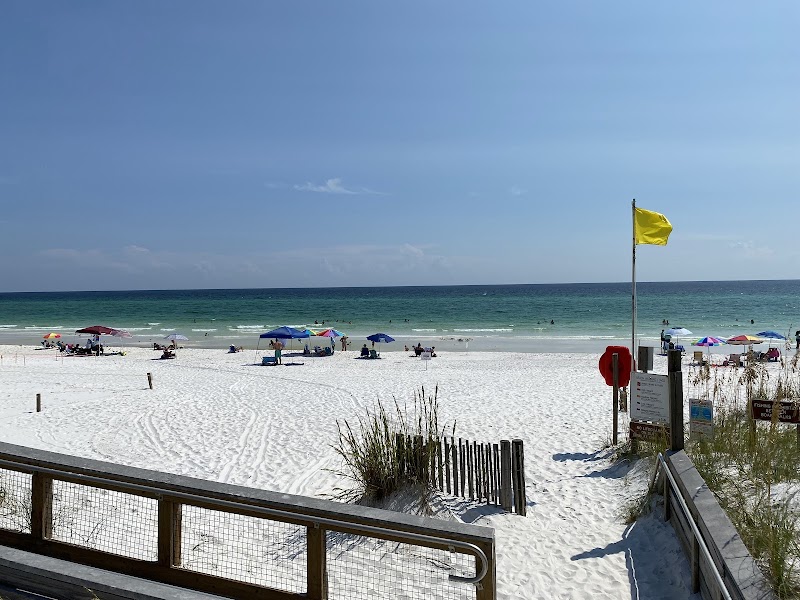
Nearby Trips
All Adventures
Boat Charters
Water Activities
Adventures near Destin
Discover the unique and memorable adventures that make Destin special.
Frequently Asked Questions
When is the best time of day for scalloping in Florida?
Early mornings, particularly during low tide, offer the best visibility and calm water conditions for spotting scallops.
Are there any restrictions for scalloping in Florida waters?
Yes, Florida enforces strict scalloping seasons and limits on bag sizes to protect populations; check current regulations before you go.
What water conditions should I avoid when scalloping?
Avoid scalloping after heavy storms or during rough seas, as sediment churned up limits visibility and currents become unpredictable.
Can beginners safely scallop in Florida waters?
Yes, with basic snorkeling skills and proper gear, beginners can enjoy scalloping, especially in calmer, shallow waters near shore.
How can I identify scallops underwater?
Look for small bivalve shells resting on seagrass beds; they often blend in but flicker with a delicate shell texture and slight movement.
What local wildlife might I encounter while scalloping?
Expect to see fish darting through seagrass, shy crabs along the bottom, and occasionally rays gliding silently nearby.
Recommended Gear
Wide-View Snorkel Mask
Provides clear, unobstructed vision and tight sealing to keep water out while you focus on spotting scallops.
Flexible Scuba Fins
Helps you maneuver efficiently with less leg fatigue in Florida's varying water currents.
UV-Protective Rash Guard
Shields your skin from intense sun exposure during peak daytime scalloping sessions.
Neoprene Booties
Protects feet from sharp shells, rocks, and critters while providing traction on slippery surfaces.
Local Insights
Hidden Gems
- "Nearshore seagrass beds east of Okaloosa Island offer quiet scalloping spots with fewer crowds."
- "Small sandbars around Crab Island emerge during low tides, revealing excellent shallow areas for scalloping."
Wildlife
- "Spotted eagle rays frequently patrol the deeper edges bordering scallop zones."
- "Juvenile fish use seagrass beds as nurseries, creating lively underwater scenes."
History
"Scalloping has been a key local livelihood and recreational activity since the early 20th century, supported by community-led conservation efforts."