Essential Gear Checklist for Comfortable Denali Backcountry Walks
Experience Denali’s backcountry trails with confidence by equipping yourself with the right gear. This guide offers practical advice to help hikers navigate rugged terrain comfortably and safely, balancing the challenge of the wild with sensible preparation.
Choose Durable, Waterproof Footwear
Select boots with ankle support and reliable traction to handle muddy, rocky, and sometimes slippery surfaces common on Denali’s backcountry trails.
Pack a Lightweight Water Filter
Purify water from streams and rivers rather than carrying excessive bottles; this keeps your pack lighter and stays hydrated safely.
Layer for Variable Weather
Bring moisture-wicking base layers, insulating mid-layers, and a windproof shell to adapt to Denali’s sudden temperature changes.
Plan Your Hike for Morning Starts
Begin hikes early in the day to avoid afternoon weather shifts and to ensure ample daylight for covering distances comfortably.
Essential Gear Checklist for Comfortable Denali Backcountry Walks
Backcountry Walking Tour
Get outside! The mountains are calling, and you must go!
Discover the wild side of Alaska with a private backcountry walking tour in Denali National Park. Experience stunning landscapes, vibrant wildlife, and expert-guided adventure away from the crowds. Read on to learn what makes this trip truly special!
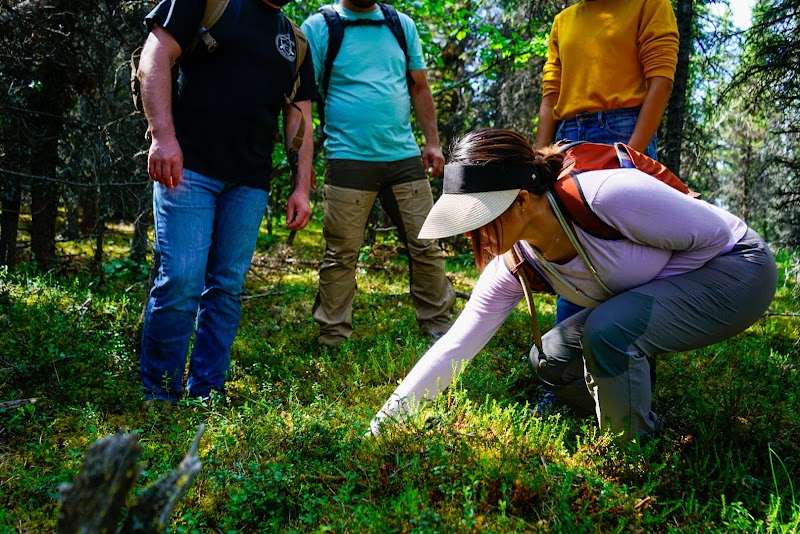
Denali’s backcountry trails push you into a wild heartbeat—where rugged forests give way to endless tundra, and distant peaks dare your every step. These walks are more than just hikes; they’re encounters with terrain fiercely itself, demanding respect and readiness. Expect upwards of 10 to 20 miles per day, often on uneven trails with elevation changes of 1,000 to 2,000 feet. The ground underfoot shifts—from moss-cushioned forest floors to compacted gravel and stubborn roots—and rivers alongside seem to challenge your passage.
To move comfortably here, gear is your frontline ally. Footwear should be sturdy, waterproof boots with solid traction; the terrain is slippery, with streams sometimes crossing your path. Layering is vital—temperature swings can be abrupt, with chilly mornings turning into sun-warmed afternoons. Moisture-wicking base layers paired with insulating mid-layers and a breathable shell will keep you agile and dry.
Hydration demands attention; Denali’s clean streams invite but beware of microorganisms. Carry a reliable water filter or purification system and plan water stops around natural flow points. A compact, practical backpack sized 30-40 liters balances capacity with ease of movement—enough room for weather layers, food, and safety gear.
Don’t overlook the essentials: a headlamp for unpredictable daylight, a detailed map with compass for navigation, and a first aid kit tailored for blisters, minor injuries, and insect irritations. Trekking poles ease joint strain on steep descents and help maintain balance across uneven or slick sections.
Timing your walk can make all the difference. Early summer offers lush greenery and abundant wildlife calls, but mud and lingering snowfields slow progress. Late summer invites drier trails and clearer skies but watch for early frosts and shorter daylight hours. Regardless, the land here moves at its own pace, and your gear needs to keep up—not weigh you down.
This checklist isn’t just about what to carry, but how to respect a landscape alive with shifting weather, daring creeks, and winds that carry whispers of the wild. Preparedness here equals freedom—the freedom to fully engage with Denali’s fierce and stunning backcountry.
Nearby Trips
All Adventures
Boat Charters
Water Activities
Adventures near Denali Park
Discover the unique and memorable adventures that make Denali Park special.
Frequently Asked Questions
What is the average daily distance on Denali backcountry walks?
Most backcountry routes in Denali cover between 10 to 20 miles per day, depending on the chosen trail and elevation gain. Be prepared for at least 1,000 feet of vertical ascent daily on many routes.
Are there any reliable water sources along the trails?
Streams and small rivers frequently run alongside many trails, but water purity can vary. Always use a water filter or purification tablets to ensure safety.
What wildlife might I encounter during these hikes?
Common sightings include Dall sheep grazing on distant slopes, moose in forested sections, and occasional black bears. Maintaining distance and storing food securely is crucial.
How do I navigate when trails are poorly marked?
Carrying detailed topographic maps and a compass is essential because some backcountry routes have minimal trail markings. GPS devices are useful but should not replace traditional navigation skills.
When is the best time of day to hike for optimal comfort?
Early morning starts are best to enjoy cooler temperatures and reduce exposure to sudden afternoon weather shifts.
What should I do about insects during summer hikes?
Mosquitoes and black flies are persistent during summer mornings and evenings. Use insect repellent, wear long sleeves, and consider a head net for protection.
Recommended Gear
Waterproof Hiking Boots
Provides necessary support and protection for wet, uneven terrain typical in Denali’s backcountry.
Water Purification System
Filters or chemical purifiers ensure safe hydration from natural water sources.
Layered Clothing System
Flexible layers for warmth and moisture management amid variable temperatures.
Trekking Poles
Assist with balance and reduce strain on knees when traversing uneven or steep terrain.
Local Insights
Hidden Gems
- "Teklanika Gorge overlook — a quieter spot with sweeping views rarely crowded"
- "The small alpine lake near Eielson Visitor Center offers peaceful reflection away from main paths"
Wildlife
- "Dall sheep often cluster on rocky ridges at midday"
- "Migratory birds like the Arctic tern pass through in late summer"
History
"Denali’s backcountry trails follow routes utilized by Alaska Native peoples and later by early explorers seeking passage into the interior. Many place names trace indigenous heritage."