
Blue Springs State Park offers a rare chance to observe manatees feeding in their natural habitat. By timing your visit around early morning or late afternoon, you can experience the gentle giants' feeding behavior up close, framed by serene spring waters and shaded forest trails.
Plan Your Visit Around Manatee Activity
Aim for early morning or late afternoon visits when manatees are most active near the spring vents. This timing maximizes your chances for sightings.
Wear Reliable Footwear
The trails can be damp or muddy, especially in shaded forest sections. Sturdy hiking shoes with good grips will keep you steady.
Bring Hydration
Florida’s humidity can catch you off guard. Pack at least 1 liter of water per person even for the short loop trail.
Respect Wildlife Boundaries
Manatees are sensitive to disturbance. Use binoculars or zoom lenses and avoid getting too close or making loud noises.
Timing Wildlife Activity Around Manatee Feeding Patterns at Blue Springs

Orlando Manatee Encounter
2 Hours • Daily 9am and 12pm • An up close experience!
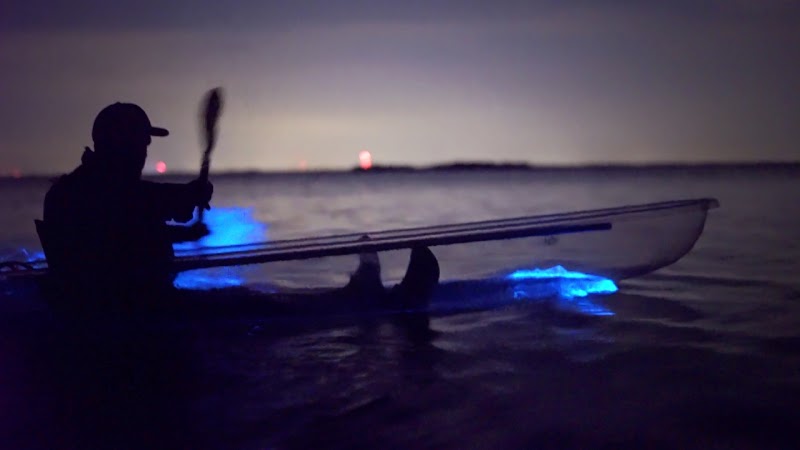
Discover the magic of Florida's wildlife with a private kayaking tour to see gentle manatees in their natural habitat. Perfect for all ages, this adventure offers a peaceful escape into nature with expert guides from Adventures in Florida.
Blue Springs State Park is not just a destination but a living scene where manatees chart their daily courses through crystal-clear waters that pulse with life. To witness manatees feeding here is to observe a quiet ritual—these gentle giants take advantage of the steady temperature of the spring, lured by the submerged vegetation waving like underwater curtains. Your timing is key. Early mornings and late afternoons, when cooler air nudges the manatees closer to the spring's boils, offer the best viewing windows.
The main trail to the spring basin is a manageable 1.2-mile loop through a lush forest of towering oaks and palms, with minimal elevation changes that make the walk accessible to most visitors. The soft earth beneath shifts with the footsteps of birds and squirrels, challenging you to notice the smaller life moving through this ecosystem. The terrain's mix of shaded paths and open riverbanks keeps you engaged as light filters through leaves, setting the stage for your encounter with wildlife.
Plan to arrive just before dawn or around 3 p.m. to align your hike with the manatees’ presence near the spring vents where they feed. These times reflect cooler temperatures that slow the surrounding river current, concentrating the manatees near food-rich zones. It's practical advice for any wildlife enthusiast: patience and precise timing enhance the experience. Carrying water and wearing sturdy, comfortable shoes is essential as humidity and occasional mud patches demand reliable footing.
Don’t just stay near the accessible boardwalks—step off to less-traveled paths where the spillover of manatee activity sometimes reaches. The freshwater currents seem to push you forward, inviting closer inspection if you’re alert. Remember, the manatee’s movements are deliberate, unhurried but purposeful. Respecting their space while capturing moments with binoculars or a telephoto lens lets you connect without intrusion.
Winter months draw clusters of manatees to these warm springs, transforming the landscape into a hub of life carrying stories of resilience. Their slow, powerful movements contrast with the restless ripples of surrounding waters, reminding you that this is a habitat fiercely itself, demanding respectful engagement. This balance between tranquil observation and practical preparation ensures that your visit to Blue Springs feels both adventurous and grounded in the realities of outdoor wildlife viewing.
Nearby Trips
All Adventures
Boat Charters
Water Activities
Adventures near DeLand
Discover the unique and memorable adventures that make DeLand special.
Frequently Asked Questions
What is the best time of year to see manatees at Blue Springs?
The prime manatee viewing season runs from December through March when cooler river water encourages manatees to gather in the warm spring waters.
Are dogs allowed on the trails near the springs?
Dogs are not permitted within the designated manatee viewing areas or boardwalks to minimize stress on the wildlife, but they can be walked on some park trails away from the spring basin.
Can visitors swim with manatees at Blue Springs?
Swimming with manatees in the spring is prohibited to protect the animals and their habitat. However, the park offers designated swimming areas away from manatee zones during warmer months.
Are there any hidden spots to view wildlife beyond the main boardwalk?
Yes, exploring the less-traveled nature trails around the spring occasionally reveals smaller fauna and quieter vantage points, but stay on marked paths to protect sensitive habitats.
How crowded does Blue Springs get during peak manatee season?
Weekends and holidays can see crowds, especially midday. Early mornings and late afternoons on weekdays offer a quieter experience.
What environmental measures are in place to protect manatees at the springs?
The park enforces strict regulations like no boating in manatee zones, limits on visitor numbers in certain areas, and educational programs to reduce human impact.
Recommended Gear
Sturdy Hiking Shoes
Protect your feet and maintain grip over muddy or uneven sections of trail.
Binoculars
Allows close observation of manatees and other wildlife without disturbing them.
Reusable Water Bottle
Stay hydrated in the humid Florida climate, especially in warmer months.
Light Rain Jacket
Prepare for brief showers or storms common in warmer seasons.
Local Insights
Hidden Gems
- "The Riverside Trail: a peaceful path less traveled offering serene views where otters sometimes appear."
- "The Observation Tower: located near the spring basin, it provides elevated views of the river and occasional eagle sightings."
Wildlife
- "Manatees"
- "River Otters"
- "Osprey"
- "Wading birds like Great Blue Herons and Wood Storks"
- "Mink along the water’s edge"
History
"Blue Springs has long served as a refuge for manatees and was designated a manatee refuge in 1971. The springs themselves were an important resource for the indigenous Timucua people and later settlers."