Mastering Timing and Tide for Prime Fishing in Daytona Beach’s Rose Bay
Rose Bay in Daytona Beach offers anglers a dynamic fishing experience shaped by tidal shifts and timing precision. This guide equips you to read the water, plan the perfect fishing windows, and navigate the bay’s terrain for maximum success.
Check Tide Charts Before Every Trip
Rose Bay’s fish activity hinges on tide phases, so consulting up-to-date local tide charts is crucial for identifying prime fishing windows.
Wear Protective Footwear
The shoreline combines oyster beds, mud, and sand, requiring sturdy water shoes to prevent injuries and maintain footing while wading or launching kayaks.
Avoid Mid-Tide Slack Periods
Fish tend to be less active mid-tide when water movement slows; focus effort on rising or falling tides instead for better odds.
Bring Sun Protection and Hydration
Florida’s sun can intensify quickly; opt for a hat, sunscreen, and at least 2 liters of water to stay safe during your outing.
Mastering Timing and Tide for Prime Fishing in Daytona Beach’s Rose Bay

Fishing Skiff Rentals
1 hour - Full Day options • All ages
Discover the joy of fishing from a private skiff on sunny Port Orange waters with Rose Bay Watersports. Perfect for all skill levels, this personalized adventure offers serenity and wildlife sightings unique to Florida's coast. Read on to learn more about this exclusive experience.
Daytona Beach’s Rose Bay pulses with life as the tides command the rhythm of this angler’s haven. To fish here effectively, understanding tide patterns isn’t optional—it’s essential. Rose Bay’s gentle estuary, where saltwater creeks flirt with brackish edges, transforms with each tide cycle, offering pockets of prime fishing opportunities that shift like a living puzzle.
The tides here act like a subtle guide, ushering bait fish and game fish through familiar routes. The best fishing windows align closely with incoming and outgoing tides when currents pick up, stirring the waters and encouraging predator activity near the mangrove-lined shores. High tide delivers easy access to hidden flats and estuary backwaters where snook and trout hunt with stealth, while low tide reveals sandbars and oyster beds that bonefish and redfish prize.
Timing the tide means anticipating nature’s push and pull. Arrive 1-2 hours before high tide to intercept fish moving inland to feed, with waters rising around roots and rocks. Conversely, fishing the falling tide capitalizes on fish retreating toward the bay and beach channels. Avoid mid-tide slack periods where water stalls and fish disperse.
Sunrise and sunset amplify the experience. Morning light reveals waking waters and cooler conditions, while dusk concentrates fish feeding actively before nightfall. Planning your day around these periods, combined with tidal schedules (check local tide charts), maximizes your chances.
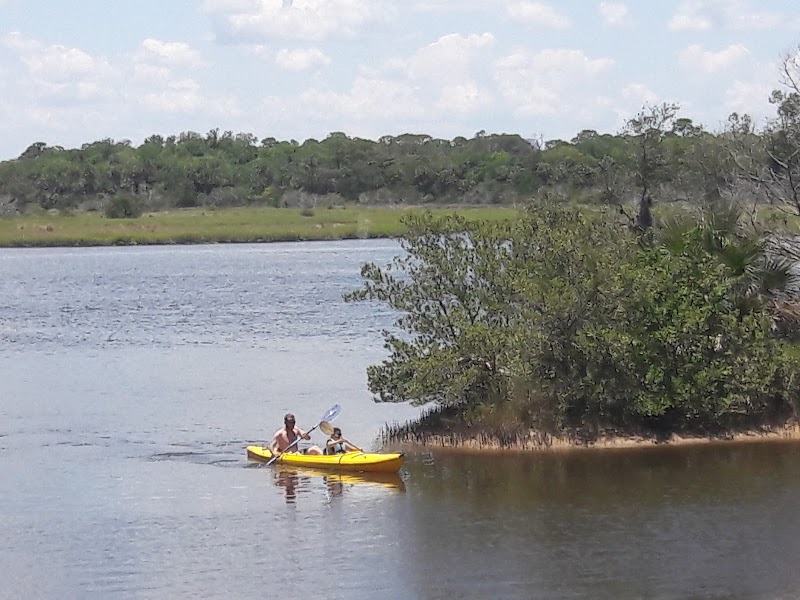
Access to prime fishing spots involves negotiating variable terrain. The nearby shore offers easy bank access and kayak-friendly launch points for exploring shallow flats. Wear sturdy water shoes or boots—Rose Bay’s bottom is a mix of soft mud, oyster shells, and shifting sands. Carry sun protection and hydration, especially during summer’s heat, and be prepared for occasional wind gusts pushing waves toward shore.
This environment is fiercely alive yet tempered by delicate balances. Mangroves pull roots from the earth as if daring you closer, and currents push stubbornly, testing your resolve with every cast. Respecting timing, tides, and terrain will open the gateway to a fulfilling day on the water where preparation meets the raw thrill of the catch.
Nearby Trips
All Adventures
Boat Charters
Water Activities
Adventures near Daytona Beach
Discover the unique and memorable adventures that make Daytona Beach special.
Frequently Asked Questions
What tides produce the best fishing in Rose Bay?
The rising (incoming) and falling (outgoing) tides are best. Arriving 1-2 hours prior to high or low tide capitalizes on active feeding periods as fish move with currents toward flats or deeper channels.
Are kayaks recommended for exploring fishing spots in Rose Bay?
Yes, kayaks are an excellent way to reach shallow flats and backwaters less accessible from shore, especially during mid to high tide when deeper channels open.
What local species should anglers expect to catch here?
Common targets include snook, redfish, spotted sea trout, bonefish, and sometimes tarpon, all reacting keenly to tidal shifts.
Is fishing in Rose Bay suitable for beginners?
Absolutely. The moderate terrain and variety of accessible shorelines offer beginner-friendly spots, though understanding tides helps improve catch rates.
Are there any environmental regulations anglers should be aware of?
Yes, local regulations require catch limits and size restrictions, especially for protected species like snook, to maintain ecological balance.
What safety precautions should I take while fishing in Rose Bay?
Watch for sharp oyster shells, sudden weather changes, and strong currents near channels. Always check tides and weather before heading out, and wear proper footwear.
Recommended Gear
Waterproof Wading Boots
Protects feet from sharp oyster shells and maintains traction on slippery, muddy surfaces.
Fishing Rod and Reel Combo for Inshore Species
Medium-action rods paired with saltwater reels are ideal for targeting snook, redfish, and trout in Rose Bay’s estuary.
Sunscreen and UV-protective Hat
Essential protection from the Florida sun, especially during peak hours and light-reflecting water surfaces.
Hydration Pack or Water Bottles
Keeps you hydrated during extended outings in warm weather conditions.
Local Insights
Hidden Gems
- "A quiet mangrove tunnel near the south end of Rose Bay provides a serene spot for sight fishing."
- "An offshore sandbar exposed at low tide near the bay's mouth attracts schools of baitfish and feeding birds."
Wildlife
- "Osprey and great blue herons patrol the shorelines, offering great wildlife viewing while fishing."
- "Mangrove snapper and juvenile tarpon often cruise near algae-covered roots."
History
"Rose Bay has long served local fishermen and Native American communities as a critical resource, with archaeological finds revealing centuries of human interaction with these waters."