
Timing the Tides: Mastering Florida’s Prime Scalloping Season
Scalloping off Florida’s Gulf coast offers an adventurous day immersed in clear waters and natural rhythms. Learn how to time your trips for optimal tides and weather, ensuring rewarding and safe scalloping excursions in one of the state’s most scenic marine environments.
Monitor Tide Charts Daily
Spring tides maximize scallop accessibility by lowering water levels. Plan your entry and exit around low tide, usually early morning or late evening during full/new moons.
Check Weather for Calm Conditions
Wind and waves cloud waters, reducing visibility and increasing risk. Aim for clear, settled days for the best scalloping experience.
Wear Protective Gloves
Scallops have delicate shells and coastal grasses can be sharp. Gloves protect your hands while freeing you to handle shells safely.
Use Mesh Bags for Catch
Mesh bags allow water flow and keep scallops alive longer, ensuring freshness until you’re ready to depart.
Timing the Tides: Mastering Florida’s Prime Scalloping Season

Scalloping Charters
All ages • 4 Hours • Up to 6 People!
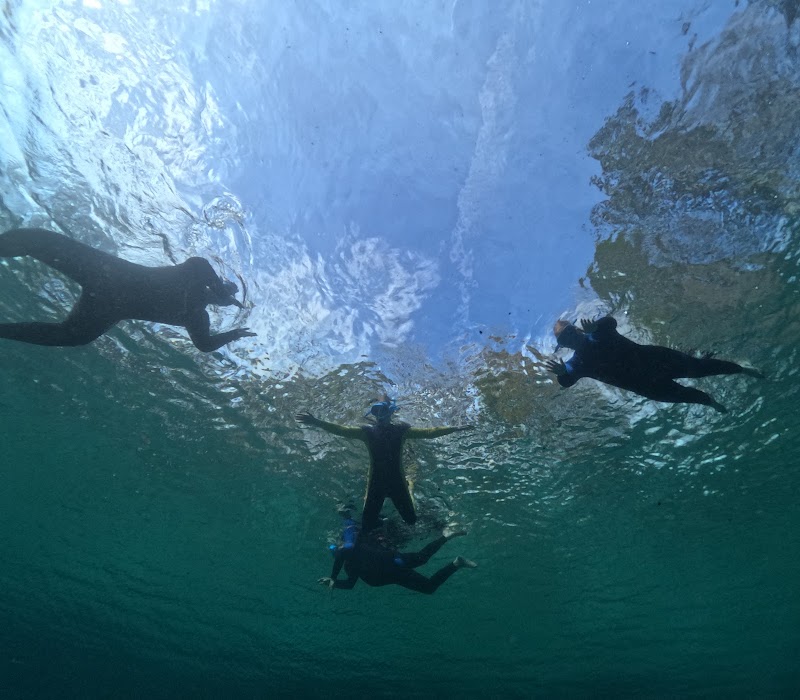
Join Salty D’s Charters in Spring Hill for a 4-hour scalloping trip where you can snorkel the Gulf waters, catch your own scallops, and enjoy fresh seafood fun. Perfect for families and outdoor enthusiasts alike, this adventure offers a hands-on experience in Florida’s vibrant coastlines.
Florida’s coastal waters invite adventurers annually to engage in one of the state’s most exciting and practical outdoor activities: scalloping. The rhythmic push and pull of the Gulf’s currents play guardian to the elusive bay scallops that lie beneath. But like any worthy pursuit, success depends heavily on understanding the natural cycles and weather patterns shaping these clear waters.
Optimal scalloping season in Florida runs from mid-July through September. This window aligns with the peak abundance of bay scallops in the shallow seagrass beds, where waters warm and visibility improves. The tides become your closest ally and fiercest challenge—spring tides (around full and new moons) pull the ocean back far enough to expose the scallops grazing in the sand flats, while also allowing easy wading and snorkeling.
Weather plays an uncompromising role. Calm, clear, and sunny days between morning and early afternoon yield the best underwater visibility, essential for spotting scallops’ glowing fringed shells. Windy conditions churn the water and obscure the vibrant ecosystems, turning an elegant pursuit into a frustrating scramble. Importantly, mid-summer storms or tropical disturbances bring strong currents and safety risks, demanding flexible plans and real-time weather assessments.
Preparation is straightforward but vital. Lightweight wetsuits or swimsuits that won’t restrict movement, mesh bags for catch storage, and gloves to protect your hands from sharp shells are recommended. Arrive early to maximize time with favorable tides, and remember, Florida regulations strictly enforce size and daily limits to preserve the scallop population.
Beyond the mechanics, scalloping in Florida is an immersive dance with nature’s fierce self—water currents coax you, sun warms your back, and the sea reveals its treasures only to those who respect its rhythm. For anyone aiming to combine practicality with thrill, scalloping offers a gateway into Florida’s wild underwater world, perfect for solo outings, friends, or family adventures.
Whether you’re a first-timer or a seasoned hunter, knowing when and how to approach the waters ensures that every scalloping day is both rewarding and responsible. Armed with weather wisdom, tide charts, and a readiness to adapt, you step into a unique tradition that balances excitement with ecological care—every scallop a prize earned in harmony with Florida’s scenic shores.
Nearby Trips
All Adventures
Boat Charters
Water Activities
Adventures near Crystal River
Discover the unique and memorable adventures that make Crystal River special.
Frequently Asked Questions
When is the best time of day for scalloping?
Aim to scallop during the morning at low tide when water is calmest and clearest. Early hours enhance visibility and reduce exposure to midday sun and afternoon storms.
Are there legal limits to how many scallops I can collect?
Yes. Florida enforces strict daily and possession limits, typically 2 gallons of whole scallops or one pint of meat per person, to protect populations.
Can I scallop alone, or should I go with a group?
While scalloping alone is possible, it’s safer and more enjoyable with a partner or group, especially given shifting tides and currents.
What water temperatures are ideal for scalloping?
Bay scallops thrive in warm Gulf waters above 75°F, common from mid-summer through early fall.
Do I need a boat to scallop in Florida’s waters?
Many scallopers use kayaks or boats to reach better spots off the shore, but some accessible flats near Crystal River allow wading and snorkeling from shore.
What hazards should I watch for during scalloping?
Watch for sudden weather changes, strong currents, jellyfish, and sharp seagrass. Always check weather and tide forecasts before entering.
Recommended Gear
Lightweight Snorkel and Mask
Clear visibility underwater is key for spotting scallops. Quality snorkel gear makes searching safe and efficient.
Protective Gloves
Protects hands from razor-sharp seagrass and shells encountered while scalloping.
Mesh Scallop Bag
Allows trapped scallops to breathe and stay alive, maintaining freshness.
Sun Protection (Hat, Sunscreen)
Florida sun is relentless during peak scalloping months; protecting your skin is crucial.
Local Insights
Hidden Gems
- "The Alligator Point area – less crowded, pristine grass flats"
- "Chassahowitzka National Wildlife Refuge – offers protected habitats with healthy scallop beds"
Wildlife
- "Manatees frequent these waters during cooler months"
- "Dolphins often accompany boats in the area"
- "Ospreys and egrets hunt nearshore mangroves"
History
"Scalloping has been a part of Florida’s coastal heritage for centuries, supporting local communities' livelihoods and evolving into a popular recreational activity blending tradition and sustainable use."