
Mastering the Timing: Scallop Hunting Techniques for Florida’s Summer Waters
Florida’s summer scallop season offers an exciting opportunity to explore underwater seagrass beds alive with marine life. Learn how timing the tides and lunar phases, along with practical preparation, can maximize your chance of a successful and sustainable scallop hunt near Crystal River.
Time Your Dive Around Low Tide
Start your scalloping trip 1-2 hours before low tide when water clarity peaks and scallops are more exposed in shallow beds.
Use a Mask and Snorkel With UV Protection
Clear vision is non-negotiable; pair a quality mask with sun-protective gear to avoid glare and stings under Florida’s summer sun.
Wear Water Shoes
Protect your feet from sharp shells and rocks hidden in seagrass by using sturdy water shoes with good grip.
Bring Hydration and Snacks
Florida’s heat drains energy fast; stay hydrated and pack snacks to maintain stamina throughout your scalloping adventure.
Mastering the Timing: Scallop Hunting Techniques for Florida’s Summer Waters

6 Hour Semi-Private Scallop Tour 30 ft Deluxe Pontoon Onboard Restroom
Semi-private Onboard Restroom $129+ per person
Discover the joy of scalloping on a semi-private 6-hour boat tour in Homosassa, Florida. Enjoy spacious comfort, expert guides, and a chance to connect with nature on this unforgettable aquatic adventure.
During Florida’s summer months, the Gulf waters along the west coast transform into a playground for scallop hunters. Scallops cluster in seagrass beds, a wild network of blades waving beneath the surface, daring you to find them before the next outgoing tide. Timing is the linchpin of success here—matching the scallop’s rhythms means going beyond just diving in with a net.
The prime window for scalloping starts in early June and extends through mid-September. Optimal conditions align around the new moon to full moon phases, when tides ebb and flow with stronger currents that stir scallops from their resting spots. Arriving a couple of hours before low tide sets your stage. The water clarity improves as the receding water reveals sandiness, allowing you to spot the telltale flashes of the scallop’s shell.
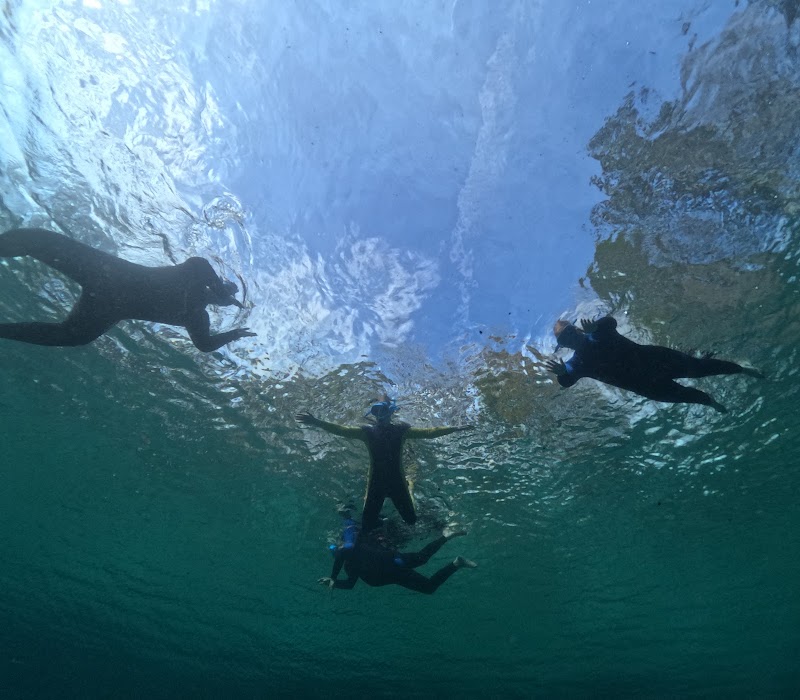
Gear up with a reliable dive mask and snorkel—Florida’s summer sun beats down relentlessly, so a lightweight wetsuit or rash guard protects your skin from sunburn and jellyfish stings. Foot protection is equally essential; the seagrass beds hide sharp shells and unforgiving rocks. Water shoes with sturdy soles help you move through the uneven terrain without injury.
Once you’re in the water, patience is vital. Like an elusive puzzle, scallops hide with their fringed mantles tucked tight, eyes reflecting the light—watch for smooth, tucked-in shells nestled in grass or on sand. They can sense disturbance, darting away swiftly on jet-like bursts. Glide softly and methodically sweep the seagrass in front of you. Avoid sudden movements that push sediment into the water, clouding your visibility and alarming your quarry.
Midday heat often draws more casual hunters; however, early morning and late afternoon dives offer cooler waters and calmer seas, enhancing comfort and safety. The wind tends to pick up later in the day, stirring the surface and dropping visibility.
Practical planning means packing hydration—Florida’s heat will sap energy quickly—and arranging transportation and permits ahead of time. The scallop season requires a valid Florida recreational fishing license and adherence to harvest limits: currently, up to two gallons of whole scallops per person per day. The constant balance with nature ensures this tradition stays sustainable.
Respect the environment. The seagrass beds are home to many creatures fiercely occupying their turf alongside scallops. Maintain low impact by anchoring carefully or using mooring buoys where available. Every dive is an engagement with a living ecosystem refusing to yield without respect.
In sum, Florida’s summer scallop season is a measured dance of timing, skill, patience, and awareness. Those who read the tides, respect the ecosystem, and prepare thoroughly will find it an unforgettable blend of nature’s simplicity and challenge—a summer adventure carved in sea and sun.
Nearby Trips
All Adventures
Boat Charters
Water Activities
Adventures near Crystal River
Discover the unique and memorable adventures that make Crystal River special.
Frequently Asked Questions
When is the best time of day to go scalloping?
Early morning or late afternoon dives are best for cooler water and calmer seas, enhancing visibility and reducing crowding.
Do I need a permit to scallop in Florida?
Yes, a Florida recreational fishing license is required, along with adherence to seasonal limits, typically allowing up to two gallons of whole scallops per person daily.
How can I tell if scallops are healthy and safe to harvest?
Harvest only live scallops with tightly closed shells or those that snap shut when disturbed, avoiding any that look dull or lifeless, which may indicate spoilage.
Are scallop beds fragile ecosystems?
Yes, scallops inhabit sensitive seagrass beds; use mooring buoys to anchor and avoid dragging gear that can damage the habitat.
What wildlife might I encounter while scalloping?
Expect to see seahorses clinging to grass, curious juvenile fish, rays gliding below, and occasionally, playful dolphins patrolling nearby waters.
Can scallops be safely harvested during the entire summer season?
Harvesting is best during the official season, generally June to mid-September; water conditions and scallop populations decline outside this window.
Recommended Gear
Snorkel Mask with Anti-Fog
Clear vision underwater is critical to spotting scallops in the dense seagrass beds.
Water Shoes
Protect feet from sharp shells and abrasive seabed during wading and swimming.
Rash Guard or Lightweight Wetsuit
Provides sun protection and some defense against jellyfish stings and abrasions.
Dry Bag for Essentials
Keeps belongings like phone, wallet, and snacks dry while out on the boat or shore.
Local Insights
Hidden Gems
- "The submerged seagrass beds near Kings Bay provide quieter less crowded scalloping experiences."
- "Crystal River National Wildlife Refuge trails offer unique views of manatees during the summer months."
Wildlife
- "West Indian manatees, juvenile grouper, sea turtles, and a variety of tropical fish navigate nearshore waters."
History
"Crystal River and surrounding areas have a rich heritage of indigenous tribes who relied on shellfish harvesting, with modern regulations shaped to preserve this tradition sustainably."