Timing Conditions to Catch Dolphins and Wildlife in Citrus County
Citrus County offers a unique opportunity to observe dolphins and diverse wildlife against the backdrop of Florida’s Gulf Coast. Knowing when and where to go, guided by tides and seasons, transforms your visit into an engaging journey through an active, aquatic ecosystem.
Plan for Early Morning Wildlife Activity
Wildlife is most active during dawn, especially dolphins and shorebirds. Arrive before sunrise to catch the calm water and increased animal movement.
Watch the Tides
Check local tide charts to optimize sightings—low tide exposes feeding grounds, while high tide shifts dolphin activity offshore.
Wear Suitable Footwear
Expect flat but occasionally muddy or sandy trails near observation points. Shoes with good traction prevent slips and enhance comfort.
Bring Hydration and Sun Protection
Florida solar intensity increases quickly after morning. Sunscreen, hats, and plenty of water are necessary for safety and comfort.
Timing Conditions to Catch Dolphins and Wildlife in Citrus County

90 Minute Airboat Tour
For all ages! • Extra Time for Extra FUN on this High Speed Adventure
Discover the thrill of navigating Florida’s wetlands on a 90-minute airboat tour with Homosassa Air Boat Ventures. Spot dolphins, wild hogs, and a diverse array of wildlife while learning about this vital ecosystem from expert guides. Perfect for adventure lovers and nature enthusiasts alike!
Citrus County’s coastal waters and protected estuaries offer an active stage for wildlife encounters, especially dolphin sightings that feel close enough to touch. Planning your visit around timing and natural rhythms can make the difference between a fleeting glimpse and a memorable, immersive experience.
Dolphins here are at their most visible during the cooler months, from November through April, when they gather in larger pods following the wakes of fish migrations. Morning hours just after sunrise are prime: the water’s surface holds a quiet, reflective sheen before the full heat stiffens the air. The dolphins ride currents that push steadily from the Gulf, their sleek backs slicing waves almost narratively, inviting you into their world.
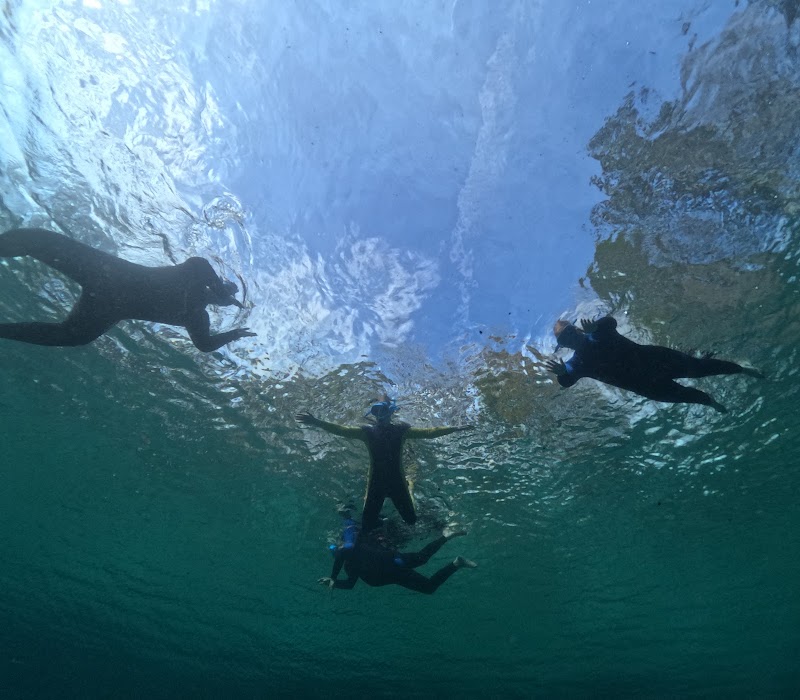
It's not just the dolphins. Shorebirds populate the brackish marshlands from late fall to early spring, adding movement and sound to the scene. Manatees move with a leisurely curiosity through the Kings Bay springs, which maintain a year-round 72-degree temperature—offering you a chance for slow, deliberate wildlife watching in clear waters.
Timing the tides is essential. Low tide exposes sandbars and shallow flats where dolphins hunt, and birds feed—this timing can increase your chance to see interactions among species. On the other hand, higher tides move the aquatic dance further offshore, where swift waters challenge the pursuit but highlight powerful displays of dolphins breaching and spinning.
The terrain around these waters demands practical attention. Trails leading to key observation points are generally flat and short, from 1 to 3 miles round trip, winding through shaded hammock forests that hold their own quiet wildlife stories. The paths skirt the edges of wetlands where you might spot a raccoon or a heron keeping watch. Footwear with good traction is advised to handle occasional muddy or sandy patches, especially after rain.
Weather plays a silent but fierce partner in your quest. Florida’s sudden afternoon showers in summer can cut short wildlife pursuits, making the early part of the day doubly valuable. UV protection and hydration aren’t just comfort—they’re necessity; the sun's intensity commands respect.
Local kayak tours and guided boat excursions align with these timing principles, using the animal’s patterns and tides to maximize sightings. Choosing a guide familiar with the currents and seasonal habits will deepen your understanding of the environment’s shifting mood.
Finally, patience rewards richly. Dolphins don’t perform on demand; like you, they navigate their own cycles. Approaching the experience with quiet observation, readiness to move with the tides, and respect for the unpredictable pulse of nature will transform the trip from a checklist event into a genuine connection.
In Citrus County, timing meets terrain and tide, inviting adventurers to read the signs written on the water and sky. When you plan your trip to fit this pulse, the wildlife comes alive not as a background but as a fierce, wild companion.
Nearby Trips
All Adventures
Boat Charters
Water Activities
Adventures near Crystal River
Discover the unique and memorable adventures that make Crystal River special.
Frequently Asked Questions
When is the best time of day to see dolphins in Citrus County?
Early morning, just after sunrise, offers the best conditions: calm water and active wildlife. Dolphins tend to be more visible as they follow fish schools heading into shallow bays.
Are there any specific spots recommended for wildlife watching in Citrus County?
Kings Bay and the Crystal River National Wildlife Refuge provide excellent vantage points. Trails along the coastal marshes give a good chance to spot shorebirds and manatees near springs.
Do tides affect wildlife visibility here?
Absolutely. Low tides reveal feeding areas for dolphins and wading birds. Conversely, high tides push animal activity offshore, creating more dynamic but distant wildlife displays.
What should I be cautious about during summer visits?
Summer brings heat spikes and frequent afternoon storms. Mosquitoes increase near wetlands, so insect repellent and early morning outings are advised to avoid discomfort and weather issues.
Can you kayak or boat alongside dolphins legally in this area?
Yes, but with strict guidelines. You must maintain a safe distance to avoid disturbing dolphins. Local guides know the regulations and help ensure your experience respects wildlife protection laws.
Are there any environmental concerns visitors should be aware of?
Citrus County's ecosystems are sensitive, especially manatee habitats and shellfish beds. Avoid littering and stick to marked trails to protect fragile vegetation and water quality.
Recommended Gear
Waterproof Hiking Shoes
Provides traction and protection for occasionally muddy or sandy paths around estuary trails.
Wide-Brimmed Hat
Offers sun protection during peak UV hours, which arrive early in Florida’s sunny climate.
Binoculars
Key for scanning distant pod activity and observing shy shorebirds without disturbing them.
Water Bottle with Filter
Staying hydrated is critical, especially during extended wildlife observation under the Florida sun.
Local Insights
Hidden Gems
- "The quiet shell mounds near Fort Island Gulf Beach offer unexpected wildlife views without the crowds."
- "The overlook at Crystal River Preserve State Park reveals extensive wetland networks often overlooked by casual visitors."
Wildlife
- "West Indian manatees that congregate in the warm spring-fed waters of Kings Bay."
- "Dolphin pods that shift location seasonally with fish migrations, sometimes numbering over 50 individuals."
- "Shorebirds such as the reddish egret and diverse heron species who patrol tidal flats."
History
"The area holds significance for indigenous Seminole and Timucua people, with archaeological sites near coastal trails indicating centuries of human-wildlife interaction."