
Mastering Timing Strategies to Escape Crowds in Redwood National Park, CA
Redwood National Park's majestic giants captivate hikers of all levels, but crowds can chip away at that experience. Learn precise timing strategies to move with the forest’s natural rhythms, avoid the busiest trails, and dive deep into a wilderness both serene and fiercely alive.
Start Early to Dodge Crowds
Begin your hike within the first hour after sunrise, especially on popular trails like Lady Bird Johnson Grove, to experience near-solitude and avoid peak visitor flow.
Choose Midweek Days
Weekdays typically see fewer hikers. Plan your visit Tuesday through Thursday to enjoy quieter trails and more wildlife sightings.
Layer Up for Variable Conditions
Pack moisture-wicking layers and a waterproof shell—the coastal climate’s moods shift rapidly, and staying dry keeps you comfortable and safe.
Hydrate Ample and Often
Even with coastal humidity, hiking in the redwoods demands consistent hydration; carry at least three liters per person, especially for longer hikes.
Mastering Timing Strategies to Escape Crowds in Redwood National Park, CA

Wake Up and Smell The Redwoods Tour! Crescent City, Ca
3 Hrs | Departs from Crescent City. Avail:Mon-Sun
Discover the grandeur of California’s towering redwoods on this engaging 3-hour tour in Crescent City. Walk historic trails, see ancient giants, and learn about the vibrant ecosystem that sustains these legendary trees.
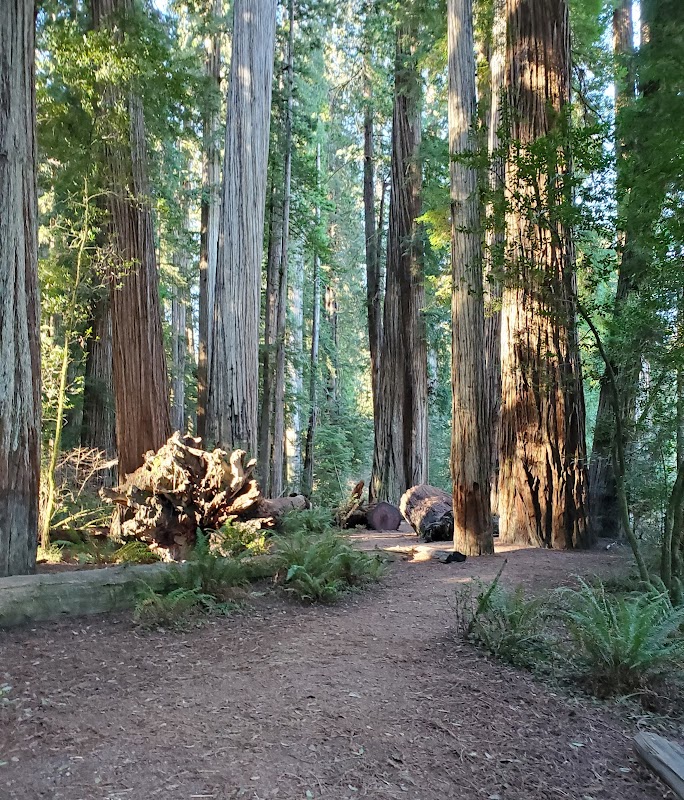
Redwood National Park’s towering trees demand more than just respect—they command your attention and challenge your timing. Avoiding the crowds here isn't just about convenience; it’s about engaging fully with a wilderness that moves to its own rhythm. The park’s main trails like Lady Bird Johnson Grove (1.5 miles, 250 ft elevation, gentle) and Tall Trees Grove (4.5 miles, 600 ft elevation, uneven terrain) weave you through ancient groves whose whispered movements in the wind dare you to stay alert and present.
Early mornings are the sharpest edge to cut through visitor volumes. Arriving just as first light dapples the forest floor means you’ll meet only the quiet shuffle of undergrowth and the occasional hungry bird calling overhead. Midweek visits in off-peak months—September through November—significantly reduce foot traffic, leaving the air fresher, the mud less thick, and the solitude more fierce.
Afternoon hikes, while often busier, can still offer refuge on less-traveled loops like the Boy Scout Tree Trail, where the trail’s twisting roots and moss-draped branches invite you to engage with the forest’s raw, unpolished personality. Be prepared: the trailbed can get slick, and the terrain’s gentle climbs test your balance and focus.
Hydration is critical. The coastal climate fools many—humidity doesn’t always translate to hydration—and sturdy footwear is a must to negotiate damp soil and sudden inclines. A three-liter water allowance and layered clothing match the variable climate’s mood swings; the park's weather often shifts as unpredictably as its currents, pushing you forward but never yielding.
To embrace a Redwood hike as a dialog with nature’s fierce self, timing isn’t just about avoiding crowds; it’s about syncing steps with the park’s seasonal pulse and daily moods. When the dense fog rolls in around midday, trails empty fast, replaced by the soft hum of mist rubbing through ancient bark and the occasional deer hesitating at the edge.
Plan with respect—to the trees, the terrain, and yourself. The reward lies in the balance: a measured, mindful journey where solitude sharpens senses, and the forest's towering sentinels reveal their quiet strength without distraction.
Nearby Trips
All Adventures
Boat Charters
Water Activities
Adventures near Crescent City
Discover the unique and memorable adventures that make Crescent City special.
Frequently Asked Questions
When is the best time of day to hike to avoid crowds?
The best time is early morning within the first hour after sunrise. Trails like Lady Bird Johnson Grove are nearly empty then, letting you enjoy the forest’s deep quiet before mid-morning visitors arrive.
Are dogs allowed on Redwood National Park trails?
Dogs are only allowed on certain paved sections and campgrounds. Most of the core hiking trails through the groves prohibit dogs to protect sensitive wildlife and reduce disturbance to other visitors.
What wildlife might I see, and are there any safety concerns?
Expect to spot Roosevelt elk, black-tailed deer, and varied bird species. Bears are rare but possible; keeping food sealed and staying on trails reduces encounters and protects both animals and hikers.
What are lesser-known viewpoints to escape crowds?
Try Elk Meadow, a quieter spot west of Crescent City that offers open views and fewer hikers. Boy Scout Tree Trail also sees less traffic while delivering rich forest immersion.
How do weather conditions affect trail accessibility?
Rain makes trails slick and can close some backcountry routes. Fog limits visibility but adds atmosphere; check current weather and any park alerts before heading out, especially in fall and winter.
Are there any cultural or historical sites within the park worth visiting?
Yes—explore portions of the Bald Hills where Native American Yurok people have ancestral ties. Interpretive signs provide context, and respectful visitation helps preserve this history.
Recommended Gear
Sturdy Hiking Boots
Provide ankle support and grip for damp, rugged trails with roots and mud patches.
Waterproof Jacket
Keeps you dry and comfortable during sudden coastal showers and heavy fog.
Hydration System
Ensures steady water intake; three liters recommended on longer hikes to avoid dehydration.
Layered Clothing
Allows for quick adaptation to shifting temperatures and moisture in the forest environment.
Local Insights
Hidden Gems
- "Elk Meadow for peaceful views"
- "Boy Scout Tree Trail for quiet forest exploration"
- "Fern Canyon off the beaten path"
Wildlife
- "Roosevelt elk herds"
- "Northern spotted owls"
- "Pacific tree frogs"
History
"The park preserves lands historically inhabited by the Yurok, Tolowa, and other tribes whose cultures remain integral to the area’s identity. Logging history and early conservation efforts shaped today’s protected forests."