
Timing Your Canoe Trip for Optimal Wildlife Viewing at Blue Mesa
Blue Mesa Reservoir offers canoeists an exceptional chance to encounter abundant wildlife against dramatic cliffs and tranquil waters. Planning your timing carefully ensures you catch elk, eagles, and other animals when they’re most active, enhancing your adventure with memorable moments on the water.
Launch Early for Wildlife Sightings
Start your canoe trip at dawn to catch the peak animal activity before midday heat pushes creatures into hiding.
Pack Layered Clothing
Temperatures fluctuate on the water; bring moisture-wicking layers and a waterproof shell to stay comfortable throughout the day.
Bring Navigation Tools
Use a detailed map or GPS device—currents can shift unexpectedly near inlets and coves, making orientation crucial.
Stay Hydrated
Altitude and physical exertion increase fluid needs; carry at least two liters of water per person and drink regularly.
Timing Your Canoe Trip for Optimal Wildlife Viewing at Blue Mesa

Canoe Rental - Elk Creek
Starting at $40.00 • 18+ to rent • 3 - 7 Hours
Discover the serenity of Blue Mesa Reservoir by renting a canoe at Elk Creek and Lake Fork Marina. Glide past dramatic red rock formations and spot local wildlife on this relaxed, scenic paddle adventure suitable for all skill levels.
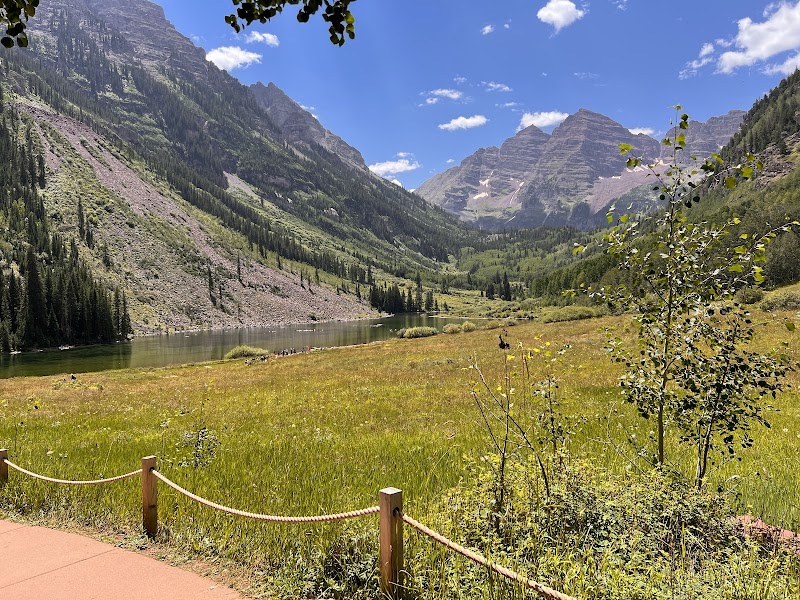
Blue Mesa Reservoir, the largest body of water in Colorado's Curecanti National Recreation Area, offers a canoe trip experience where nature feels alive, constantly shifting and alert. The water itself pushes you forward, urging careful paddling as you glide past sheer, colorful cliffs that watch silently. Timing your trip here is less about the calendar and more about syncing with the rhythms of local wildlife and weather.
For the best wildlife sightings, plan your canoe trip in late spring (May to early June) or early fall (September to mid-October). In these windows, animals become more visible: elk congregate near water edges, bald eagles patrol overhead, and deer emerge from forest shadows. Mid-summer, the heat slows both animal and paddler activity, with wildlife retreating to shaded banks or higher terrain. Early mornings and late afternoons during your trip amplify encounters—the shifting light calls creatures out into view while cooling the air for you.
The route across Blue Mesa spans roughly 4-6 miles depending on your launch point, flowing over calm waters framed by dramatic juniper-dotted slopes. Elevation varies from 7,500 to 7,900 feet, so anticipate lighter air and cooler temperatures than lower plains. The reservoir’s edges invite exploration but hold unpredictable currents, demanding alert navigation that respects the water’s quiet strength.
Hydration is crucial. Lightweight, layered clothing and waterproof footwear help you adjust quickly to temperature swings over the water. Bring binoculars and a waterproof camera case—wildlife moves with intention, often between sight and hidden cover. Listen for the dusk calls of loons or the splash of beavers shaping their homes. This dynamic environment rewards patience; the scenery is fiercely itself, not waiting but inviting you to understand its pace.
To maximize your experience, launch early when the breeze is minimal and animal movement peaks. Respect quiet zones near nesting and feeding areas to avoid disturbing sensitive species. Map your paddle route with accessible exit points in mind—should winds shift or weather turn brisk, knowing your escapes keeps the adventure manageable and safe.
This is a practical trip wrapped in adventurous skin. Blue Mesa’s wildlife isn’t a prize to claim but a community to observe. Align your timing to their routines, prepare for physical and environmental demands, and you will not only witness but engage deeply with the fierce, alive forces beating beneath serene waters and sharp cliffs.
Nearby Trips
All Adventures
Boat Charters
Water Activities
Adventures near Crawford
Discover the unique and memorable adventures that make Crawford special.
Frequently Asked Questions
When is the best time of day to see wildlife on Blue Mesa?
Early morning and late afternoon are prime times for wildlife activity. Cooler temperatures and reduced human presence coax animals like elk, deer, and birds to the water’s edge.
Are there any safety concerns to know when canoeing on Blue Mesa?
Yes. Wind conditions can change swiftly, creating choppier waters. Always check weather forecasts before departure and identify safe exit points along your route.
What types of wildlife are most commonly seen during canoe trips here?
Expect frequent sightings of elk, mule deer, bald eagles, osprey, and various waterfowl. Beavers and otters may appear near shoreline vegetation in quieter coves.
Is it necessary to have paddling experience before attempting this trip?
Basic canoe handling skills are recommended. The route is moderate in length and water conditions, but understanding how to navigate currents and avoid hazards is important.
Are there any permits required for canoeing on Blue Mesa Reservoir?
No special permits are required for day use on Blue Mesa. However, park regulations apply, and camping or extended stays require permits from Curecanti National Recreation Area.
What local facilities support day trips around Blue Mesa?
Boat ramps, picnic areas, and fishing access points are available at various launch sites like Elk Creek and Pioneer Point. Nearby Crawford offers lodging and provisioning options.
Recommended Gear
Lightweight Waterproof Jacket
Protects against spring showers and wind chill while remaining breathable.
High-traction Water Shoes
Ensures secure footing on wet, rocky shorelines when launching or portaging.
Binoculars
Enhances distant wildlife viewing without disturbing animals.
Hydration Pack
Provides hands-free access to water, vital for staying hydrated at altitude.
Local Insights
Hidden Gems
- "The less-visited Ponderosa Point, offering quiet wildlife vistas and rocky shoreline close to shore."
- "Henson Creek inlet, where trout fishing and otter sightings are common."
- "Cliffside bird nests visible at Sunset Point for eagle and osprey watchers."
Wildlife
- "Elk herds especially active at dawn and dusk during fall rut."
- "Bald eagles nesting on cliff ledges in spring."
- "Beaver lodges present near thick shore vegetation."
History
"Blue Mesa Reservoir was created in the 1960s as part of the Colorado River Storage Project, flooding former mining and ranch land and reshaping local ecosystems. The area honors the Ute tribes who historically utilized the waters and surrounding forests."