
Mastering Tube Comfort and Safety on Arkansas' White River
The White River in Arkansas offers a thrilling yet accessible tubing experience where comfort and safety go hand in hand with the river’s spirited current. This guide equips adventurers of all levels with practical tips to navigate and enjoy one of the region’s most engaging stretches of water.
Choose a Tube with Secure Seating
Opt for tubes with built-in seats and sidewall rings to enhance stability and prevent tipping over when navigating faster currents.
Wear Sturdy Water Shoes
Protect your feet from sharp rocks and slippery riverbanks by using quick-drying, closed-toe water shoes with solid soles.
Hydrate Frequently
Keep water within reach using waterproof holders or dry bags, especially during warmer months when the sun relentlessly pushes you forward.
Start Early to Avoid Crowds and Heat
Launch in the morning when currents are calmer, temperatures cooler, and river conditions easier to read for a safer and more comfortable float.
Mastering Tube Comfort and Safety on Arkansas' White River

Triple Tube Rentals
Daily - Weeklong Rentals
Discover the ultimate tubing adventure with Big Boys Toys All Terrain Rentals in Bozeman, Montana. Float along scenic waters and experience a relaxing day on the river with friends or family.
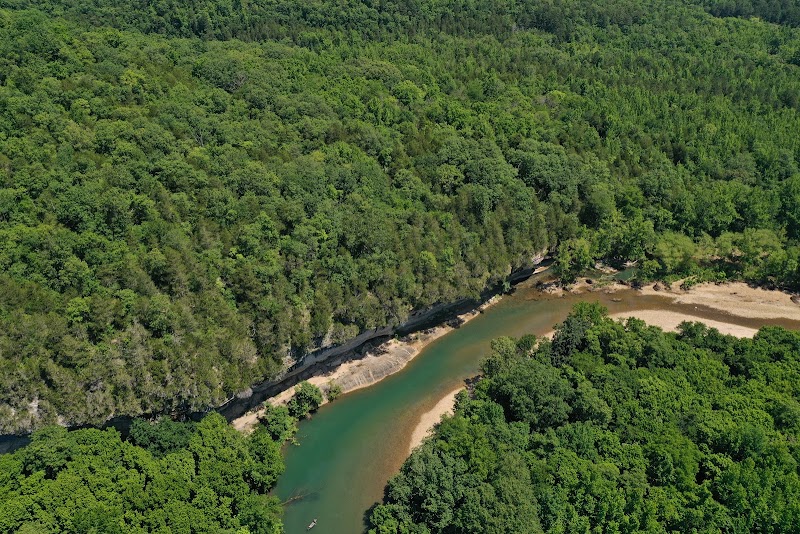
The White River in Arkansas offers a unique tubing adventure where the river's steady current dares you to relax while remaining vigilant. Stretching over a practical 6-mile float, this portion of the river demands respect with its varying flow rates and occasional rocky shoals, keeping you engaged from the first dip to the final glide.
To optimize comfort and safety, begin by selecting a quality tube with sturdy construction and ample support. A tube fortified with sidewall rings and a secure seat helps prevent tipping, while a removable mesh bottom allows you to cool off without sacrificing stability. The river’s temperature hovers around a refreshing 60 to 70°F during peak season, coaxing you to stay hydrated—pack a waterproof bottle holder or use a dry bag to keep fluids within reach.
Footwear is more than a convenience here; consider water shoes with solid soles. The riverbed varies from soft silt to scattered stones that challenge your footing when entering or exiting the water. Wearing secure, quick-drying shoes minimizes slips and protects during riverbank navigation.
Timing is essential: early morning launches avoid heat spikes and give you calm waters better suited for a relaxed float. Midday can bring stronger sun and subtle shifts in current speed, so don’t underestimate the river’s capacity to push forward.
Pack a compact, fast-absorbing towel and light waterproof layers to adjust for changing weather. Sunscreen and a wide-brimmed hat are non-negotiable; the White River is honest about its exposure.
Safety checks include a personal flotation device—mandatory for stronger currents or less experienced floaters. The White River shows a protective side with quiet backwaters, but its main channels challenge unprepared tubers. Awareness of local fishing activity and occasional wildlife, including kingfishers and turtles, enhances the adventure while respecting natural rhythms.
Lastly, plan your exit points where the terrain offers clear access and shade. The forested banks whisper of past journeys taken here, presenting a welcome resting place before heading back to the nearby town of Cotter.
By balancing thoughtful preparation with respect for the river's nature, tubing the White River transforms from a simple float to an engaged, comfortable, and safe experience—an accessible way to connect with Arkansas’ outdoor spirit while maintaining practical preparedness for whatever the water throws your way.
Nearby Trips
All Adventures
Boat Charters
Water Activities
Adventures near Cotter
Discover the unique and memorable adventures that make Cotter special.
Frequently Asked Questions
What are the safest entry and exit points along the White River tubing route?
Official launch sites near Cotter provide easy, designated entry points with gentle slopes while exits are best chosen at riverbanks with clear, sandy patches and minimal debris. Avoid steep or rocky banks to lessen risk.
Are life jackets required for tubing on the White River?
While not legally mandatory for all sections, wearing a personal flotation device is highly recommended to ensure safety, especially during higher water flow or for less confident swimmers.
Can I bring children tubing on the White River safely?
Yes, with appropriate supervision and safety gear, kids over six can enjoy tubing in calmer sections. Select tubes with secure seats and never lose sight of them during the float.
What wildlife might I encounter while tubing here?
Birds such as kingfishers and herons are frequently visible, along with river turtles sunbathing on logs. Occasionally, you might spot white-tailed deer near the banks.
How can I avoid sunburn while tubing?
Apply waterproof sunscreen before entering the water, wear a wide-brimmed hat and UV-protective clothing, and float during early hours or later afternoon to minimize peak sun exposure.
Is tubing on the White River suitable during all seasons?
The best tubing experience occurs from late spring through early fall when water temperature and flow are ideal. Winter floats are rare and require advanced preparation due to cold and limited access.
Recommended Gear
Sturdy Inflatable Tube with Seat and Mesh Bottom
Provides stability and comfort, enabling cooling without losing support during the float.
Closed-Toe Water Shoes
Protect your feet from rocks and slippery terrain while offering solid grip at entry and exit points.
Waterproof Dry Bag
Keeps your valuables and hydration supplies dry and accessible throughout your float.
Personal Flotation Device (PFD)
Enhances safety especially in faster currents or for less experienced swimmers.
Local Insights
Hidden Gems
- "Cove Creek Overlook – an under-visited vantage point offering panoramic river views"
- "Quiet backwaters near Norfork Dam, where wildlife congregate undisturbed"
Wildlife
- "Belted kingfisher"
- "Snapping turtles"
- "White-tailed deer"
- "River otters (rare)"
History
"The White River corridor has long been a route for Native American travel and later for logging and river commerce, with small communities like Cotter shaped by river-related industries."