Optimal Timing and Conditions for Prime Trout Bowfishing in Middle Tennessee’s Waterways
Middle Tennessee’s scenic waterways offer exceptional trout bowfishing opportunities when you time your outing expertly. This guide breaks down the best seasons, ideal conditions, and practical preparation to help anglers connect with these elusive fish in some of the region's most promising streams.
Start Early or Late for Best Visibility
Trout are more visible during early mornings and late afternoons when sunlight angles reduce glare on the water surface.
Wear Polarized Sunglasses
Polarized lenses cut through water surface reflections, improving your ability to spot trout beneath moving currents.
Use Sturdy, Non-Slip Footwear
Stream banks and exposed rocks can be slippery; proper footwear ensures safe movement and stable footing near the water’s edge.
Monitor Water Clarity and Flow
Clear, low-flow water improves visibility, while rainy days can muddy conditions, affecting trout behavior and fishing success.
Optimal Timing and Conditions for Prime Trout Bowfishing in Middle Tennessee’s Waterways
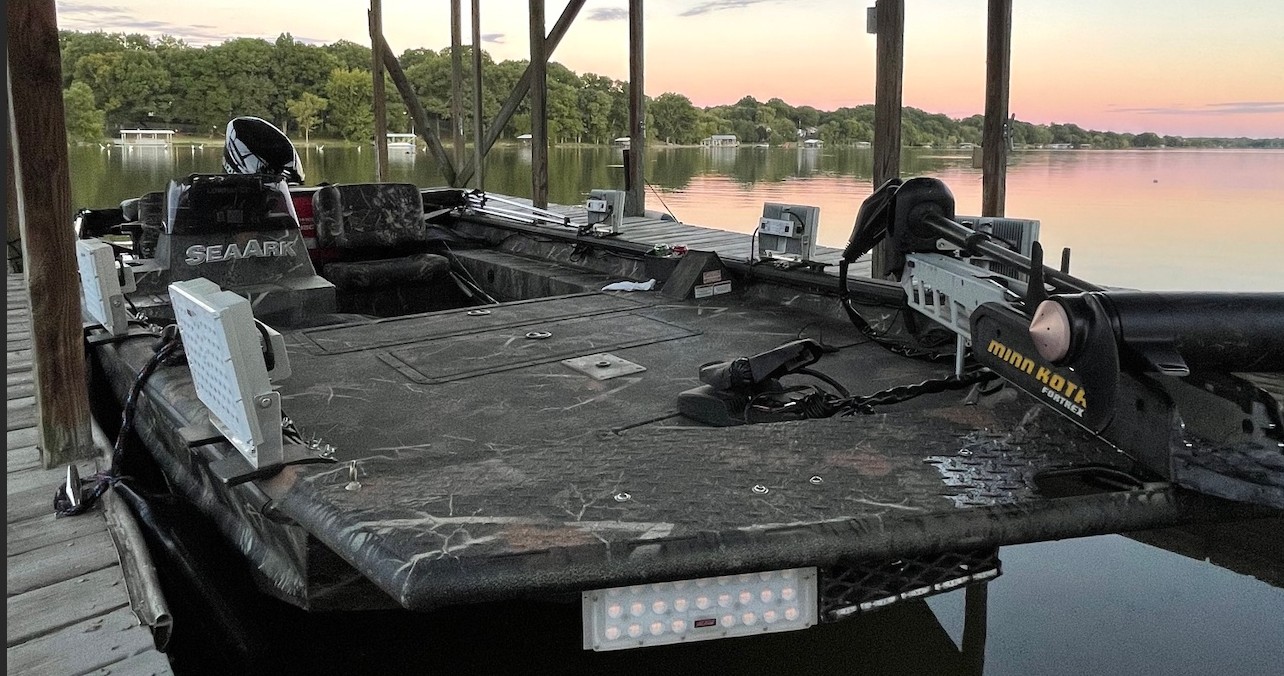
Bowfishing
All Ages Welcome • 4 Hour Trip • 4 Passengers MAX
Discover the thrill of bowfishing in Nashville with guided trips on Middle Tennessee’s scenic rivers and lakes. Perfect for families and fishing enthusiasts, these adventures combine natural beauty with archery fun—no experience necessary.
Middle Tennessee's rivers and streams offer a spirited dance of currents and quiet pools that challenge and reward the bowfishing angler. To maximize success in trout bowfishing, timing your trip when the fish are most active and visible is essential. Clear water, light wind, and low glare combine to reveal these wary trout as they dart through shaded shallows or hover near submerged structures, daring you to take a precise shot.
Spring and early fall provide the best windows, with water temperatures cooler but stable enough to keep trout near the surface. During these periods, trout gather in predictable spots—especially near riffles where oxygen-rich water encourages feeding. Bright midday light can hinder spotting, so aim for early morning or late afternoon excursions when the sun angles guide your eye rather than blind it.
Bowfishing in Middle Tennessee requires practical preparation beyond timing. The region’s terrain ranges from gently rolling hills to steeper limestone bluffs, demanding sturdy footwear for riverbank approaches and careful footing on uneven streambeds. Hydration and layered clothing prepare you for shifting temperatures as the sun moves across the sky. Each step engages with a waterway fiercely itself—resisting quick mastery yet rewarding patience.
Gear affects more than just success; it influences how fully you connect with the environment. A bow equipped with translucent line and broadhead tips improves your chance of a clean strike beneath the moving currents. Polarized sunglasses are indispensable, slicing through surface reflection and igniting the river’s secrets. Waterproof boots or waders protect against slick rocks and chilly water, while a lightweight, quick-dry outfit ensures comfort during longer stints.
Local knowledge steers clear of overpopulated streams or overly fished spots. Identify quieter bends or small feeder creeks near larger water bodies in the region for higher trout visibility and concentration. Pay attention to recent rainfall, as sudden rises muddy the water, concealing targets but also stirring trout activity if the timing coincides with receding flows.
Safety hinges on respect for the waterways and weather. Middle Tennessee’s waterways can swell rapidly, especially in spring storms, turning a promising day into a risky venture. Watch forecasts carefully, prepare to adapt your plans, and always let someone know your route.
Engaging with these waterways is more than the catch—it’s a measured negotiation with rivers that are alive and unpredictable. Each cast presents an opportunity to align your skill and timing with moments when trout reveal themselves, ephemeral sparks beneath the surface. Prepare, arrive at the right hour, and let the rivers guide your aim.
Nearby Trips
All Adventures
Boat Charters
Water Activities
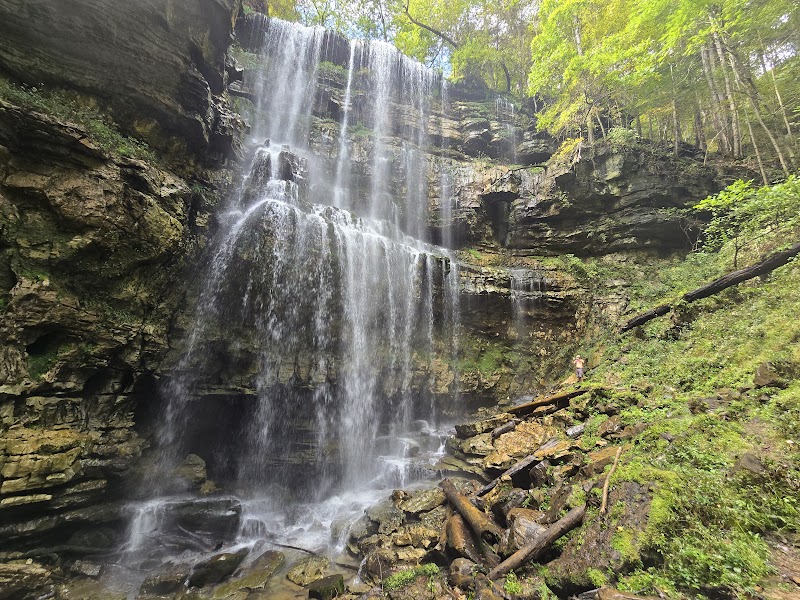
Adventures near Cookeville
Discover the unique and memorable adventures that make Cookeville special.
Frequently Asked Questions
When is the best time of day to bowfish trout in Middle Tennessee?
Early morning and late afternoon provide the optimal light angles for spotting trout. During these hours, sun glare is minimized, and trout tend to feed near the surface or rocky edges.
Which rivers in Middle Tennessee offer the best bowfishing spots for trout?
The Caney Fork River near Cookeville and sections of the Cumberland River are well-known for trout bowfishing, especially near riffles and shaded pools where trout gather.
Is specialized gear required for trout bowfishing compared to other fish?
Yes, trout require precise shots due to their agility and size. Using a bow with broadhead tips and translucent line improves your chances of a clean catch.
Are there safety concerns unique to bowfishing Middle Tennessee waterways?
Rapid weather changes can lead to swift water rises. Slippery banks and submerged rocks present fall risks, so sturdy footwear and checking weather forecasts ahead of time are critical.
Can bowfishing be done year-round in this region?
While technically possible year-round, prime trout bowfishing is best during spring and fall when trout are most active near the surface and water conditions are favorable.
What local regulations should anglers be aware of?
Always check current Tennessee Wildlife Resources Agency regulations on bowfishing seasons and protected waterways. Some areas may have restrictions on gear or require permits.
Recommended Gear
Bowfishing Bow with Broadhead Tips
Specialized bow equipment improves accuracy and penetration for targeting moving trout beneath water.
Polarized Sunglasses
Crucial for cutting water glare and enhancing visibility to spot fish below the surface.
Waterproof Boots or Waders
Protect feet from cold water, slippery rocks, and allow safe wading close to fishing spots.
Layered Clothing
Adjustable layers accommodate fluctuating temperatures, especially during early mornings and late afternoons.
Local Insights
Hidden Gems
- "Small feeder creeks branching from the Caney Fork provide quieter, less-fished spots ideal for bowfishing."
- "Look for limestone outcrops in river bends, which create natural fish corridors."
Wildlife
- "Eastern hellbenders, a large aquatic salamander species, inhabit some clear river sections and indicate healthy ecosystems."
- "Watch for great blue herons and kingfishers, both common around trout-rich waterways."
History
"Middle Tennessee’s trout streams were historically fished by Native American communities and later shaped by early settlers who utilized waterways for transport and sustenance."