Mastering Wildlife Spotting in Yellowstone’s Lamar Valley
Lamar Valley in Yellowstone National Park is a prime destination for wildlife enthusiasts eager to encounter bison, wolves, and more in their natural habitat. Discover practical tips and detailed insights to help you plan a safe, exciting, and respectful adventure into one of America’s most iconic wildlife frontiers.
Start Early for Best Wildlife Sightings
Wildlife in Lamar Valley is most active at dawn and dusk. Plan your visit to be on the trails or viewpoints early in the morning or late afternoon for higher chances of spotting animals.
Keep Your Distance
Maintain at least 100 yards from predators and 25 yards from other wildlife. Use binoculars or zoom lenses to observe safely without disturbing animals or risking your safety.
Wear Appropriate Footwear
The terrain ranges from flat meadows to uneven trails with muddy sections. Hiking boots with good ankle support and traction will keep you steady and protected.
Stay Hydrated and Dress in Layers
Weather shifts quickly. Carry at least 2 liters of water and dress in moisture-wicking layers to handle warm sun and cooler river breezes comfortably.
Mastering Wildlife Spotting in Yellowstone’s Lamar Valley

2-day Upper & Lower Loop Yellowstone Tour
2 days/1night •Price for up to 4 guests• $400 each additional •Max 10
Experience the stunning beauty of Yellowstone on a private 2-day Upper & Lower Loop tour from Pinedale. Discover geothermal marvels, abundant wildlife, and scenic vistas with expert guides in an exclusive, personalized adventure.
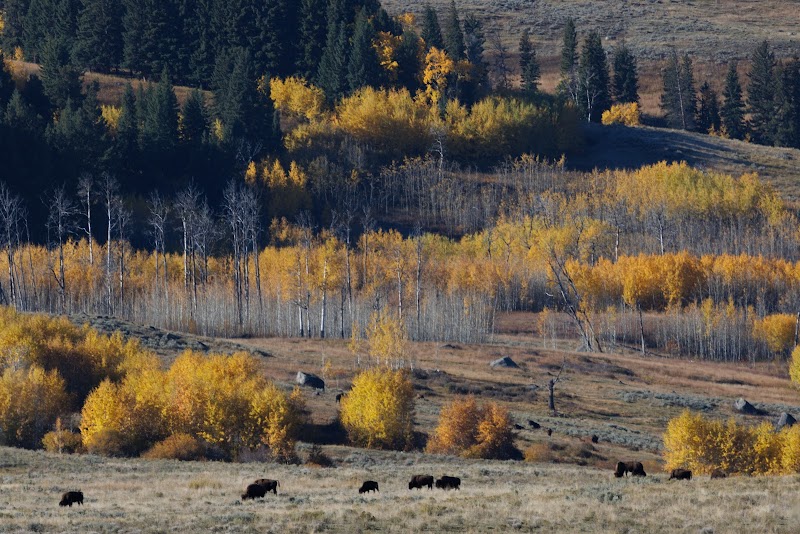
Lamar Valley, often called America’s Serengeti, stretches wide with rolling grasslands and punctuated by river bends that dare you to linger. It's a place where wildlife live fiercely themselves, and every glance may bring a new encounter. Here, the landscape frames precise moments—a wolf pack crossing at dawn, a bull bison brushing the grasses, or an eagle soaring against the canvas of sky. To explore Lamar Valley effectively means balancing patience with preparation, respect with curiosity.
Begin your wildlife journey early; sunrise is when the valley stirs, and animals venture out from cover. The main highway through Lamar Valley allows easy access to key spotting areas like Slough Creek and Soda Butte Creek, but to leave the roadside behind, take a moderate hike along the Slough Creek Trail, a 7-mile round-trip route with minimal elevation gain (around 400 ft) through forested corridors and open meadows. This trail narrows the distance to some of the valley’s quieter wildlife zones.
Footwear should be sturdy hiking boots with solid traction to manage the uneven terrain and occasional muddy patches near riverbanks. Layered clothing is essential; the valley’s temperature can fluctuate swiftly between warm sunlight and chilly river breezes. Hydration is non-negotiable—carry at least 2 liters of water, especially if you plan longer hikes or summer visits.
Binoculars and a camera with a telephoto lens are your close allies here. Viewing from a distance isn't just safe—it protects delicate wildlife habitats and keeps the experience authentic. Wildlife often gather near water, so focus your attention around dawn or dusk for sightings of elk, bison, wolves, and bears. Use any elevated viewpoints like the Lamar Valley Overlook, where sweeping views allow you to scan for movement without disturbing the creatures below.
Always maintain a safe distance: Yellowstone rules require staying at least 100 yards from bears and wolves, 25 yards from other wildlife. Listening becomes as important as watching—the rustle of grass or a distant call signals something nearby. Respect the land’s rhythm; Lamar Valley moves at its own pace, neither rushed nor waiting.
Take binoculars, prepare for variable weather, plan your timing around animal activity peaks, and travel with patience. The valley offers a raw, dynamic wildlife theater, waiting to be observed rather than controlled. With these practical strategies, your wildlife spotting will be both thrilling and responsible, crafting memories shaped by respect and real encounters with Yellowstone’s pulse.
Nearby Trips
All Adventures
Boat Charters
Water Activities
Adventures near Cooke City
Discover the unique and memorable adventures that make Cooke City special.
Frequently Asked Questions
What time of day offers the best chance to see wolves in Lamar Valley?
Dawn and dusk are the peak activity times for wolves. Early morning drives and quiet hikes are ideal opportunities to glimpse their movements, often near wooded edges or river crossings.
Are there any lesser-known viewpoints for wildlife watching in Lamar Valley?
Yes, the Lamar Valley Overlook and the area around Soda Butte Creek offer elevated and quieter vantage points less accessible from the main highway, presenting excellent spots to observe without the crowds.
How close can visitors get to the animals safely and legally?
Visitors must stay at least 100 yards from bears and wolves, and 25 yards from other wildlife, to minimize stress on animals and ensure human safety. Use optics to maintain distance.
Are there any historical sites or cultural significance tied to Lamar Valley's wildlife?
Lamar Valley holds cultural importance for Indigenous tribes and was historically a crucial area for native hunting and gathering. It also played a key role in early conservation efforts as part of Yellowstone’s ecosystem preservation.
What environmental precautions should visitors take while hiking and spotting wildlife here?
Stay on marked trails to protect fragile vegetation, pack out all waste, avoid loud noises, and never feed wildlife. Observing from a distance supports the balance of this fiercely wild ecosystem.
What wildlife species should I keep an eye out for besides the big predators?
Look for herds of bison, mule deer, pronghorn antelope, coyotes, foxes, bald eagles, and various bird species. Smaller mammals like marmots and ground squirrels also animate the landscape.
Recommended Gear
Binoculars
Essential for viewing distant wildlife while maintaining a safe and respectful distance.
Hiking Boots
Provides traction and ankle support over uneven or muddy terrain.
Layered Clothing
Allows you to adjust quickly to changing temperatures and weather in the valley.
Water Bottle (2L+)
Staying hydrated is crucial during longer hikes and variable weather conditions.
Local Insights
Hidden Gems
- "Pebble Creek Trail for quieter walks with potential sightings of moose"
- "The Blacktail Plateau Drive offers off-road wildlife viewing with fewer visitors"
Wildlife
- "Wolf packs residing here are among the most studied in the country"
- "Seasonal elk rutting creates unique vocal and behavioral displays"
History
"Lamar Valley was a contested hunting ground for Native tribes and later a critical focus for Yellowstone's early wolf reintroduction programs, making it a landmark in American conservation history."