Mastering Wildlife Photography Along Blackwater Creek: Birds and Alligators in Focus
Blackwater Creek in South Carolina challenges photographers with its rich wildlife and demanding terrain. From elusive birds to sunbathing alligators, this guide offers practical tips to capture natural moments while navigating the creek’s wild edges.
Start at Sunrise for Optimal Wildlife Activity
Animals are most active during the first two hours after dawn; pack headlamps for returning in low light.
Wear Waterproof, Slip-Resistant Footwear
Expect muddy, uneven terrain near the creek banks; solid boots prevent slips and protect against wet conditions.
Maintain a Safe Distance from Alligators
Alligators can appear docile but remain unpredictable. Stay at least 30 feet away and use zoom lenses to keep safe while composing shots.
Pack Insect Repellent Even in Cooler Months
Mosquitoes are persistent year-round, especially in shaded swamp areas; proper repellent helps maintain comfort and focus.
Mastering Wildlife Photography Along Blackwater Creek: Birds and Alligators in Focus

Afternoon Wambaw Creek Wilderness Area Tour - 2 Hour
Most Popular Blackwater Tour Area! • Advanced booking recommended!
Discover the peaceful waters of Wambaw Creek with this private 2-hour kayaking tour near McClellanville. Perfect for nature lovers, it's a great way to explore South Carolina’s coastal wilderness and spot local wildlife. Join Nature Adventures Outfitters for an unforgettable outdoor experience!
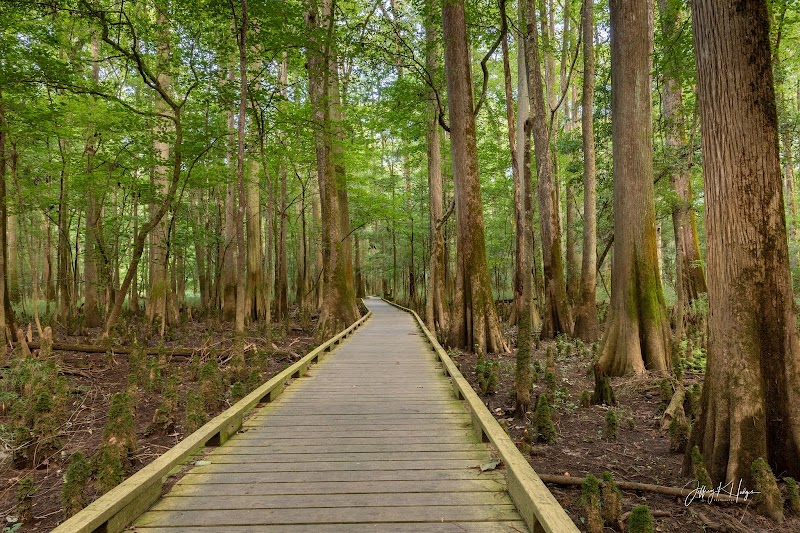
Blackwater Creek in South Carolina offers a raw and rewarding environment for wildlife photographers aiming to capture the fierce beauty of birds and alligators. The trail alongside the creek stretches about 3.5 miles round trip, with minimal elevation gain—mostly flat terrain through dense forest and swampy areas. Expect a soft, often muddy path weaving through cypress knees and Spanish moss, demanding steady footing and patience.
Timing your hike is crucial. Early mornings deliver the clearest light and the most active wildlife, with birds like great blue herons and barred owls stirring in the quiet, while alligators bask along sunlit banks, daring you to approach with a respectful distance. Midday light can be harsh, so plan your shoot around the golden hours at dawn or dusk when shadows stretch long and the creek’s currents seem to whisper challenges.
Stepping into this wilderness, you confront nature that’s fiercely itself. The creek pushes forward with stubborn currents, while birds command the sky with sudden darts and graceful loops. Alligators move with deliberate calm, blending into reflective waters that capture the sky’s mood. To photograph this dance, bring a fast telephoto lens (300mm+), a sturdy tripod for stability in low light, and polarized filters to cut water glare.
Trail-wise, sturdy waterproof boots are a must for navigating slick roots and mud. Carry at least two liters of water and insect repellent—mosquitoes are insistent partners here, especially in warmer months. Carry a field guide or use an app to identify bird calls; this will heighten awareness and photo opportunities. Use slow, deliberate movements to avoid startling wildlife, and never approach an alligator beyond 30 feet. Respect the creek’s unspoken boundaries.
Look for vantage points near the creek’s bends where sunlight breaks through the canopy, ideal for crisp reflections and shadow play. Listen for the ripple of water or bird calls to signal nearby subjects. Photography isn’t just about lenses here; it’s a dialogue with an environment that tolerates presence but resists control.
With preparation, focus, and respect for this fiercely alive ecosystem, your Blackwater Creek adventure will yield compelling images and a vivid experience of South Carolina’s untamed wetlands.
Nearby Trips
All Adventures
Boat Charters
Water Activities
Adventures near Columbia
Discover the unique and memorable adventures that make Columbia special.
Frequently Asked Questions
Can I safely approach alligators on Blackwater Creek?
Approaching alligators closer than 30 feet is dangerous and illegal in many areas. Use zoom lenses and maintain a respectful distance to avoid stress for the animal and personal risk.
What bird species are commonly seen along the creek?
Expect to see great blue herons, barred owls, wood ducks, and an assortment of migratory songbirds, especially during spring and fall migrations.
Is the trail wheelchair accessible or stroller-friendly?
No, the trail features uneven, muddy terrain with roots and narrow passages, making accessibility difficult. It’s best suited for hikers with moderate mobility.
Are there any guided tours for wildlife photography on Blackwater Creek?
Local eco-guides occasionally offer small-group photography tours focused on birds and reptiles—check with Columbia or Charleston outfitter services for seasonal availability.
What are the best safety practices for hiking in this area?
Carry plenty of water, be aware of wildlife at all times, use insect repellent, keep to marked trails, and avoid hiking alone, especially during dusk and dawn.
Can I camp near Blackwater Creek to maximize photo opportunities?
Camping is limited and restricted within the immediate area. Nearby state parks offer campgrounds with access to Blackwater Creek for early morning or late-day sessions.
Recommended Gear
Telephoto Zoom Lens (300mm+)
To frame wildlife at a safe distance without disturbing them, essential for capturing detail on birds and alligators.
Waterproof Hiking Boots
Protect feet from wet, muddy terrain and provide grip on slick roots and creekside rocks.
Insect Repellent
Keeps biting insects at bay, especially critical in warmer months to maintain focus during hikes and shoots.
Lightweight Tripod
Stabilizes shots in low-light conditions or when using telephoto lenses for crisp bird and alligator photos.
Local Insights
Hidden Gems
- "A small wooden observation platform on the north bend offers less crowded views of alligator habitats."
- "An old, partially submerged cypress snag provides striking foreground interest for bird photography."
Wildlife
- "Besides birds and alligators, watch for river otters, snapping turtles, and occasionally, river otters during quieter parts of the day."
History
"The area served historically as a logging transport route; remnants of old timber cribs can be spotted at low water, adding a subtle historic layer to the landscape."