Navigating Livestock Encounters: Safe Handling of Farm Animals During the Trek in Cotswold Hills
Trekking the Cotswold Hills offers a unique challenge—sharing peaceful trails with grazing sheep and cattle. Learn practical ways to safely navigate these farm animal encounters while soaking in the rolling countryside and historic charm of this iconic English landscape.
Keep Calm and Move Steadily
Slow, deliberate movements reduce the chance of startling farm animals on shared trails. Avoid sudden gestures and maintain a predictable pace.
Leash Your Dog
If hiking with a dog, always keep it on a leash to avoid disturbing livestock or provoking guarding behavior in animals.
Respect Distance During Lambing Season
Springtime brings protective mothers and sensitive young; give animals extra space to reduce stress and risk.
Wear Proper Footwear
Field conditions can be slippery and uneven. Sturdy hiking boots with ankle support help maintain stability and prevent falls.
Navigating Livestock Encounters: Safe Handling of Farm Animals During the Trek in Cotswold Hills

Private Baby Goat Cuddle & Hike
Ages 18+ to book • Up to 10 people • 1 hour
Discover the joy of hand-feeding and cuddling adorable baby goats on a scenic farm hike in Northborough. Perfect for families, this intimate experience combines gentle walking with farm animal interaction, creating lasting memories in Massachusetts' countryside.
Trekking through the gentle slopes and sprawling meadows of the Cotswold Hills in England means sharing the trail with a cast of curious farm inhabitants. Here, sheep and cattle rule the open fields, moving with a calm certainty until your presence prompts a quiet negotiation of distance and respect. Handling these animals safely isn’t just about avoiding injury—it’s about reading the mood of the landscape itself, where livestock act as the living heartbeat of rural life.
The average trek covers around 12 miles with a manageable elevation gain of roughly 900 feet, mostly on rolling terrain and soft grass paths edged by stone walls and hedgerows. This means most routes will lead you through or near active pastures. The animals you encounter are generally docile but can quickly become defensive, particularly around lambing season or when protective mothers or herding dogs are near.
Approach farm animals with slow movements and steady footing— avoid sudden gestures that might startle them. Keep your hands visible and do not make direct eye contact with cattle, which they can interpret as a challenge. Sheep, often flocking tightly, may appear timid but a lone adult ram or a dog herding nearby can shift this calm atmosphere.
Carrying water is essential, both for your hydration and to avoid crossing streams that livestock use, which can be tricky in wet conditions. Good hiking boots with ankle support are recommended; fields may be slippery from morning dew or after rain, and uneven ground is common. Morning starts work best as animals tend to be more active then, letting you observe their natural rhythms before they graze or rest in the warmer afternoon sun.
If a herd suddenly begins to move towards you, step aside calmly and allow them room to pass. Avoid positioning yourself between an animal and its young. Dogs accompanying hikers should be leashed to prevent distress or injury to wildlife and livestock. Knowing local farm schedules and lambing periods can help you plan your trek to minimize disturbances.
As your boots sink into the grass and mist curls over distant folds in the land, you’re not just passing through nature—you’re entering a living rural ecosystem that demands patience and respect. This is an adventure with a practical underpinning: understanding farm animals allows you to safely share these open spaces and witness a slice of authentic countryside life, unvarnished and fiercely itself.
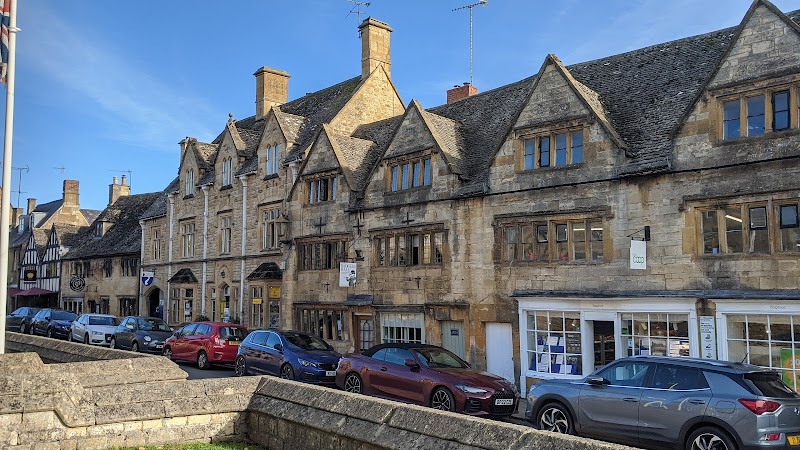
Nearby Trips
All Adventures
Boat Charters
Water Activities
Adventures near Cirencester
Discover the unique and memorable adventures that make Cirencester special.
Frequently Asked Questions
How close can I approach farm animals during the trek?
Maintain at least 10-15 feet from sheep and cattle, especially females with young. Approach slowly, avoid eye contact with cattle, and watch for signs of agitation like raised tails or head movements.
Are dogs allowed on trails through farmland?
Yes, but dogs must be kept on a leash at all times to prevent distress to livestock and avoid potential aggressive responses from herding dogs or protective animals.
What should I do if a herd blocks the trail?
Step aside calmly and allow the animals to pass. Avoid sudden movements or loud noises. Give them space and never position yourself between animals and their young.
Are there any times when farm access is restricted?
Yes, during lambing season (usually March to May), some routes may be closed or discouraged to minimize disturbance to sheep and lambs. Local signage or park authority updates provide guidance.
Can I feed farm animals encountered on the trail?
No, feeding livestock is discouraged as it can cause health issues and disrupt natural grazing habits, besides creating unsafe situations for both you and the animals.
What wildlife can I expect alongside the farm animals?
Look out for red kites soaring above, robins flitting near hedgerows, and the occasional hare darting through fields. The farmland supports a rich network of birds and small mammals.
Recommended Gear
Sturdy Hiking Boots
Provides ankle support and grip for uneven pastures and muddy sections.
Water Bottle or Hydration Pack
Staying hydrated is vital, especially during summer hikes in open fields.
Leash and Waste Bags (if hiking with dogs)
Necessary to respect farm rules and protect livestock interactions.
Light Rain Jacket
Cotswold weather can shift quickly; staying dry improves comfort and safety.
Local Insights
Hidden Gems
- "Wyck Rissington viewpoint offers expansive views of grazing sheep against limestone ridges."
- "The historic Lower Slaughter Mill, where old farm tools and waterwheels provide a glimpse into past rural life."
Wildlife
- "Red kites patrol the thermals overhead, scanning for small mammals disturbed by the livestock."
- "Brown hares dart between field edges, finely tuned to the rhythms of the farmland."
History
"The Cotswold Hills have been farmed since medieval times, and the dry stone walls lining trails are centuries-old craftsmanship, testimony to generations shaping and tending this land."