Handling Late-Afternoon Adventures at Stehekin Landing: What Seasons Demand
Late-afternoon trips to Stehekin Landing turn the familiar into something quietly wild, exposing you to shifting light and cooling air along a forest-fringed trail. Understanding seasonal shifts and practical preparation ensures your adventure is safe, immersive, and deeply rewarding.
Pack Layers for Rapid Temperature Changes
Late afternoons can bring swift drops in temperature, especially near the lake and in shaded forest pockets. Lightweight layers allow for flexible warmth.
Carry a Headlamp for the Return
Even if your planned hike ends at dusk, a headlamp ensures safe navigation back over roots and rocks obscured by fading light.
Wear Traction-Ready Footwear
The trail alternates between soft dirt and leaf-covered rocks, which can become slippery as light fades. Shoes with good grip help prevent slips.
Hydrate Despite Cooler Air
The drop in temperature might mask your hydration needs, but steady water intake is vital to maintain energy on any hike.
Handling Late-Afternoon Adventures at Stehekin Landing: What Seasons Demand

6:15PM Shuttle from High Bridge to Stehekin Landing
Down Valley Shuttle
Experience stunning lake views and a relaxed journey from Field's Point to Stehekin Landing with Discover Lake Chelan. Perfect for setting the tone of your outdoor adventure in Washington's beautiful outdoors.
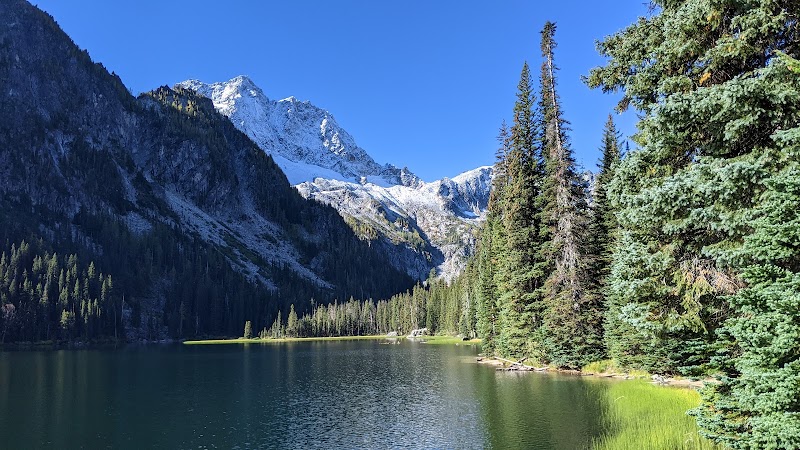
Stehekin Landing, where the calm waters of Lake Chelan meet rugged forest edges, poses an inviting challenge to late-afternoon hikers. Planning a trip at this hour demands an awareness of the shifting light and temperature—the day’s last moments change the landscape and your footing.
The typical approach to Stehekin Landing covers roughly 3 miles from the town center, varying with route choices, and involves an elevation gain near 300 feet, threading through dense conifers and soft moss carpets that press gently underfoot. The trail is a compact mix of dirt and rock, sometimes slick with fallen pine needles or early frost, rewarding attentive steps.
Late afternoons bring a cooler air and the lengthening shadows of the towering evergreens, stretching long fingers toward the lake’s surface, which dares you closer with a quiet, inviting pull. This time of day enhances visibility of wildlife as deer move to water and raptors wheel overhead in search of evening prey. But the fading light requires vigilance—shadows sharpen the contours of roots and boulders, transforming familiar terrain into subtle challenges.
The practical edge: carry layered clothing to adapt as temperatures shift swiftly, and bring a reliable headlamp should the return hike stretch into dusk. Hydration still matters with cooler temperatures; water does not lose its necessity just because the sun dips below the ridge. Footwear with solid traction helps negotiate the increasingly unpredictable terrain.
Reaching Stehekin Landing later in the day offers a peaceful contrast to busier mid-morning crowd flows. It invites a more intimate dialogue with this fiercely itself landscape—a quiet exchange where the forest seems to lean in closer, speaking in the rustle of needles and the splash of the lake’s edge against weathered wood docks.
Remember, the mountain’s temperament changes with seasons, and each demands its own respect. Spring brings mud and melting snow; summer adds heat and intensified insect activity; fall sharpens the chill while cloaking the trail in color and decay; winter’s grip can freeze the shoreline and harden steps into ice.
An afternoon hike here isn’t just a walk; it is an engagement with time itself, where light and shadow measure your progress, and nature holds a late-day audience just for those ready to honor it. Proper preparation transforms this into an adventure both thrilling and safe, a reminder that Stehekin Landing’s wild beauty is always worth the close attention it commands.
Nearby Trips
All Adventures
Boat Charters
Water Activities
Adventures near Chelan
Discover the unique and memorable adventures that make Chelan special.
Frequently Asked Questions
Is Stehekin Landing accessible by car?
No, Stehekin is accessible only by foot, boat, or small plane. Most visitors arrive via the ferry from Chelan, making the hike from the landing a key part of the adventure.
Can I hike to Stehekin Landing after sunset?
It’s not recommended because trails become difficult to navigate and hazards increase. Always carry a headlamp if you anticipate hiking close to dusk.
What wildlife might I see on the late-afternoon trail?
Deer often come near the lake to drink while raptors circle overhead hunting for small prey. You may also hear the rustle of small mammals in the underbrush.
Are there any hidden viewpoints near Stehekin Landing?
A lesser-known spot is the small rocky outcrop just north of the main dock that offers unobstructed views of Lake Chelan’s long expanse, especially stunning at sunset.
Do I need a permit to hike in this area?
No permit is required for day hiking, but camping or overnight trips require a wilderness permit from the National Park Service.
What environmental considerations should I keep in mind?
Leave no trace principles are critical. Stick to established trails to protect fragile moss and wildflower patches. Also, pack out all trash as facilities are limited.
Recommended Gear
Layered Clothing
Allows rapid adaptation to temperature shifts typical of late afternoons near water and forest.
Headlamp or Flashlight
Essential for safe passage as daylight fades quickly after late afternoon.
Hiking Shoes with Good Traction
Protects against slippery dirt, moss, and wet leaves common on the Stehekin trail.
Insect Repellent
Helps reduce distraction and discomfort from mosquitoes and other insects abundant in warmer months.
Local Insights
Hidden Gems
- "The rocky outcrop north of the dock offers quiet solitude and panoramic lake views."
- "A slim side path behind the old cannery ruins provides excellent birdwatching opportunities."
Wildlife
- "Look for black-tailed deer, bald eagles, and occasionally river otters in the lake's shallows."
History
"Stehekin Landing was historically an important supply and transport hub, with the cannery and docks serving early settlers and fishers. Today, it preserves quiet echoes of this working past."