
Preparing Your Gear for a Scenic Shuttled Hike in Stehekin Valley
Discover the rugged beauty of Stehekin Valley through a scenic shuttled hike that blends accessible logistics with wilderness adventure. This guide covers essential gear prep, trail details, and timing tips to help you engage fully with the valley’s dynamic, challenging environment.
Choose Footwear for Mixed Terrain
Wear sturdy hiking boots with ankle support to navigate rocky patches and root-covered sections confidently.
Bring Adequate Hydration Tools
Carry at least two liters of water and a reliable filter or purification method to stay hydrated safely from natural sources.
Pack Layered Clothing
Weather shifts rapidly; lightweight layers and rain gear allow you to adapt quickly without extra bulk.
Don’t Rely on Cell Service
Signal can be patchy; bring a map and compass and know how to use them for navigation.
Preparing Your Gear for a Scenic Shuttled Hike in Stehekin Valley

11:30 Shuttle to High Bridge
Up Valley Shuttle
Discover the stunning scenery of Stehekin with a convenient shuttle to High Bridge. This relaxing ride offers spectacular views and easy access to wilderness trails—perfect for outdoor enthusiasts and adventure seekers alike.
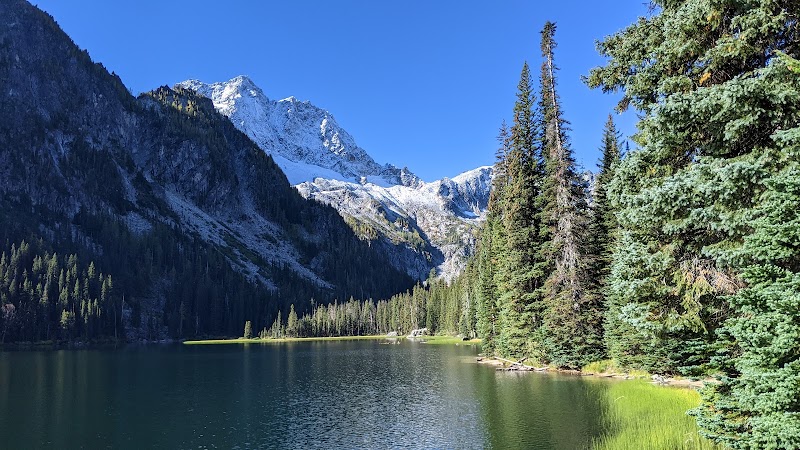
Stehekin Valley opens as a wild invitation, its forested trails and rivers daring you to step deeper into a fiercely natural world. Accessible only by boat, floatplane, or on foot, the valley feels separated from the frantic pulse of daily life. A shuttled hike here offers a blend of ease and immersion—starting with a boat ride that sets the tone, followed by a trail that stretches 7 to 12 miles depending on your route choice, with elevation gains typically between 1,000 and 2,000 feet. The terrain is a mix of firm dirt paths, rocky patches, and occasional root networks that demand steady footing and attention.
Before you set foot on this journey, gear preparation is critical. The shuttle provides access but not convenience after drop-off, so your pack must balance comfort with readiness. Footwear should be well broken-in hiking boots with good ankle support; they’ll wrestle with leaf litter and stone equally well. Trail shoes might suffice in summer, but be ready for sudden weather spells that can turn paths slippery.
Hydration is non-negotiable. The rivers nearby tease with crystal clarity but challenge persistence with rapid currents—do not drink from them without purification. A reliable water filter or treatment tablets will ensure safety. A hydration bladder or bottles totaling at least two liters suit most day hikes here.
Timing your hike for early morning departure places you in the valley’s cool embrace before midday heat thickens the air. Wildlife stirs actively around dawn and dusk, so a quiet pace might gift you glimpses of deer or elusive birds. Layers are your best friend because Stehekin wrestles seasons with sudden chills or warm sunspots breaking through dense canopy. Lightweight rain gear stashed within easy reach becomes vital during unexpected spring or fall showers.
Maps and a compass remain essential despite cell signal patches. Trails converge and divide unpredictably, and the valley insists on respect—a fierce presence that gives no guarantees. Your gear should also include a basic first aid kit and a headlamp. The sun slips fast behind ridge lines here.
Pack snacks high in energy but low in waste—nuts, jerky, and dried fruit keep you fueled without burden. Leave no trace principles govern everything; pack it in, pack it out. Prepare thoroughly for your shuttled hike in Stehekin Valley, and you enter not only a hike but a conversation with nature itself: unpredictable, demanding, yet rewarding.
Nearby Trips
All Adventures
Boat Charters
Water Activities
Adventures near Chelan
Discover the unique and memorable adventures that make Chelan special.
Frequently Asked Questions
How do I access Stehekin Valley for a shuttled hike?
Stehekin Valley is accessible by a passenger ferry on Lake Chelan, small aircraft, or by hiking in. The shuttle picks up hikers at designated trailheads and ferry docks, so plan your arrival accordingly.
Are there any water sources along the shuttle routes?
Yes, mountain streams and river crossings are common, but water should be treated before drinking due to natural contaminants and wildlife presence.
What wildlife might I encounter during the hike?
Expect to see black-tailed deer, marmots, and a variety of birds like herons and eagles. Bears are present in the region, so carrying bear spray and practicing awareness is advised.
Is the shuttle service year-round?
No, the shuttle primarily operates from late spring through early fall. Winter access is limited and usually requires alternative planning.
Are pets allowed on the shuttle and trails?
Pets are permitted on the trails but must be under control. Confirm shuttle pet policies before booking as rules can vary seasonally.
What should I know about trail navigation in Stehekin Valley?
Trails are marked but can be confusing where multiple paths intersect. Carry a detailed map and compass, and avoid relying solely on GPS due to patchy coverage.
Recommended Gear
Hiking Boots
Supportive and sturdy boots protect your feet across varied terrain and help prevent injury.
Water Filtration System
Enables safe drinking from valley streams, critical when water supply points are scarce.
Layered Clothing
Adjustable layers keep you comfortable as temperatures shift throughout the day.
Headlamp
Provides hands-free light as daylight shortens and trail navigation becomes more difficult.
Local Insights
Hidden Gems
- "Rainbow Falls viewpoint, less frequented but offers dramatic cascades visible from a short detour"
- "Copper Ridge Trail sections, showcasing rare alpine wildflowers and far-reaching vistas"
Wildlife
- "American Black Bear"
- "Merriam’s Turkey"
- "Columbian Black-tailed Deer"
History
"Stehekin Valley was originally home to Native American tribes before becoming a hub for miners and loggers in the early 1900s. The area’s isolation kept much of its natural character intact."