Seasonal Foliage and Wildlife Spotting at Magnolia Plantation Gardens
Magnolia Plantation Gardens offers a unique seasonal experience where vibrant foliage meets diverse wildlife. Explore flat, accessible trails through blooming azaleas and mature swamp forests, while spotting birds and critters shaped by each season’s changes.
Bring Waterproof Footwear
Trails can be muddy in wetter months due to proximity to swamp areas, so waterproof shoes with good traction are essential to keep your footing stable.
Visit Early Mornings or Late Afternoons
Wildlife are most active and foliage colors are richest during these times, offering the best chances for sightings and photography.
Pack a Binocular and Wildlife Guide
Magnolia Gardens hosts a variety of birds and subtle animals best spotted with binoculars and identified with a field guide or app.
Stay Hydrated in Warmer Months
South Carolina’s humidity can drain energy quickly; carry water and replenish often, especially during summer hikes.
Seasonal Foliage and Wildlife Spotting at Magnolia Plantation Gardens

Combo: Magnolia Plantation & Harbor Tour
Two top rated tours for one low price!
Discover Charleston’s maritime history and lush landscapes with Adventure Sightseeing’s combined harbor and plantation tour. A perfect blend of scenic water cruising and garden strolling, this experience immerses visitors in the city’s historic charm and natural beauty. Read on to find out why this tour stands out in South Carolina’s outdoor scene.
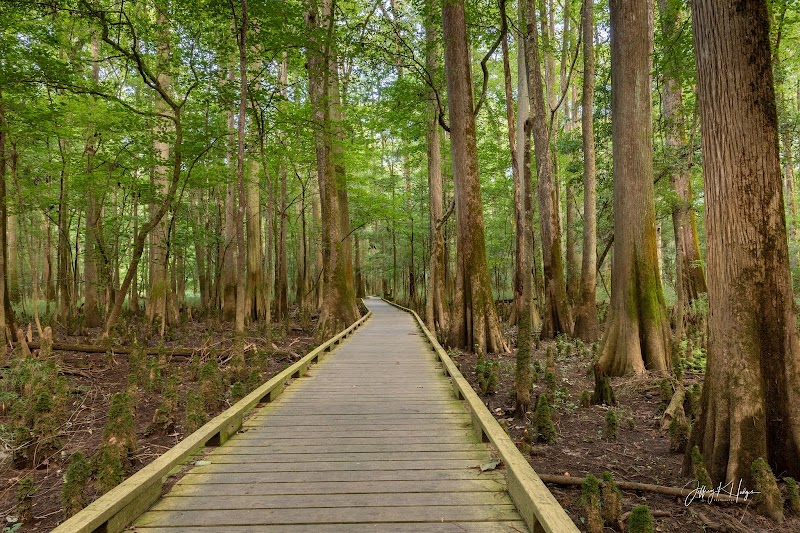
Magnolia Plantation Gardens offers a practical adventure grounded in the rhythms of the seasons and the life they stir. Spanning 250 acres near Charleston, South Carolina, this historic garden provides a mixture of flat, mostly easy terrain with well-maintained trails winding through cypress swamps, azalea gardens, and wildflower meadows. The garden’s paths cover roughly 2 to 3 miles, ideal for hikers and casual walkers alike, with minimal elevation change—perfect for keeping your focus on the vivid colors and active wildlife.
Spring pulls the landscape alive with blooming azaleas and dogwoods, presenting one of the best times to visit. Expect the garden to hum with the activity of migrating songbirds and the occasional shy white-tailed deer, both demanding keen eyes and quiet steps. Summer’s humidity bends the air, encouraging visits early in the day; dragonflies dart across ponds that dare you closer, while turtles and frogs announce their presence with steady calls near the water’s edge.
Fall shifts the scene with a palette of burning orange, deep red, and golden yellow—cypresses shrugging off needles that carpet the soft, sandy trails. This season is a prime window for spotting red-shouldered hawks and barred owls perching patiently, fierce yet watchful. Winter brings a quieter challenge: cooler, wetter weather dampens plant activity but reveals resilient migratory species such as bald eagles and late-season waterfowl. The bare branches expose vantage points otherwise hidden by summer foliage.
Wildlife encounters require patience and respect. Birds flit and observe with their own agendas. Reptiles and amphibians, warmed by long spells in the sun, soak up heat but retreat quickly if approached. The plants do not bend to human will—they remain, each species fiercely itself. Hiking shoes with good grip are necessary on occasionally muddy terrain, and staying hydrated is critical, especially in warm months. Lightweight layers allow quick adjustment to changing temperatures.
Plan your visit for early morning or late afternoon hikes when the light sharpens colors and animal movements stir. Cameras ready, but keep noises low—a sudden sound sends the garden’s residents disappearing or freezing, a reminder that adventure here is a dialogue, not a confrontation.
Magnolia Plantation Gardens balances accessible beauty with a gentle wilderness edge. Whether it's the thrill of spotting a painted bunting or the slow unraveling of a cypress knee from the pond’s embrace, this experience invites you to watch closely, tread lightly, and engage fully with nature’s seasonal pulse.
Nearby Trips
All Adventures
Boat Charters
Water Activities
Adventures near Charleston
Discover the unique and memorable adventures that make Charleston special.
Frequently Asked Questions
What time of day is best for wildlife spotting?
Early mornings or late afternoons offer cooler temperatures and active wildlife. Birds are especially busy during these hours, and the soft light enhances visibility.
Are pets allowed on the trails?
Pets are not permitted inside Magnolia Plantation Gardens to protect sensitive wildlife habitats and maintain garden conservation efforts.
Is the garden accessible year-round?
Yes, Magnolia Plantation Gardens is open year-round, but certain areas may close seasonally for maintenance or preservation.
Can I bring my own food for a picnic?
Picnicking is allowed in designated areas outside the main garden trails. Check with the visitor center for specific locations and rules.
What wildlife species are most commonly seen?
Visitors frequently see white-tailed deer, red-shouldered hawks, painted buntings, turtles, and a variety of amphibians, particularly near water features.
Are guided tours available for wildlife spotting?
Guided tours emphasizing the garden's natural and historical features are offered seasonally and can be booked ahead through Magnolia Plantation’s website.
Recommended Gear
Waterproof Hiking Shoes
Protects against mud and slippery patches common around swampy areas.
Binoculars
Enhances wildlife spotting, especially birds hidden in dense foliage.
Reusable Water Bottle
Crucial for staying hydrated in warmer months.
Lightweight Rain Jacket
Useful for sudden showers during wet seasons.
Local Insights
Hidden Gems
- "The secluded Audubon Swamp Garden area is quieter and rich in bird activity, often overlooked by casual visitors."
- "Look for the camellia garden during late winter for an early splash of color."
Wildlife
- "Red-shouldered hawks often perch silently, watching over the swamp, their sharp eyes locked on the forest floor."
- "Painted buntings bring bursts of unexpected blue and red through the azalea thickets in spring and summer."
History
"Magnolia Plantation Gardens dates back to 1676, with its grounds shaped over centuries by both enslaved labor and botanical innovation, reflecting a deep cultural and environmental heritage."