Mastering Wildlife and Scenic Photography on Isle of Palms Salt Marsh Adventures
Explore the Isle of Palms salt marsh through your camera lens with practical tips for capturing its vibrant wildlife and sweeping scenery. This guide balances adventure with actionable advice, helping you navigate the trails and embrace the marsh’s spirited character.
Check Tide Schedules
Plan your hike around low or high tide to capture different wildlife behaviors and distinct marsh views.
Wear Waterproof Shoes
The salt marsh trails can be damp or muddy; breathable waterproof footwear ensures firm footing and comfort.
Use a Polarizing Filter
Reduce reflections on water and enhance colors during bright daylight for crisper landscape images.
Pack Water and Snacks
Even moderate hikes benefit from hydration and light energy to maintain focus during long photography sessions.
Mastering Wildlife and Scenic Photography on Isle of Palms Salt Marsh Adventures
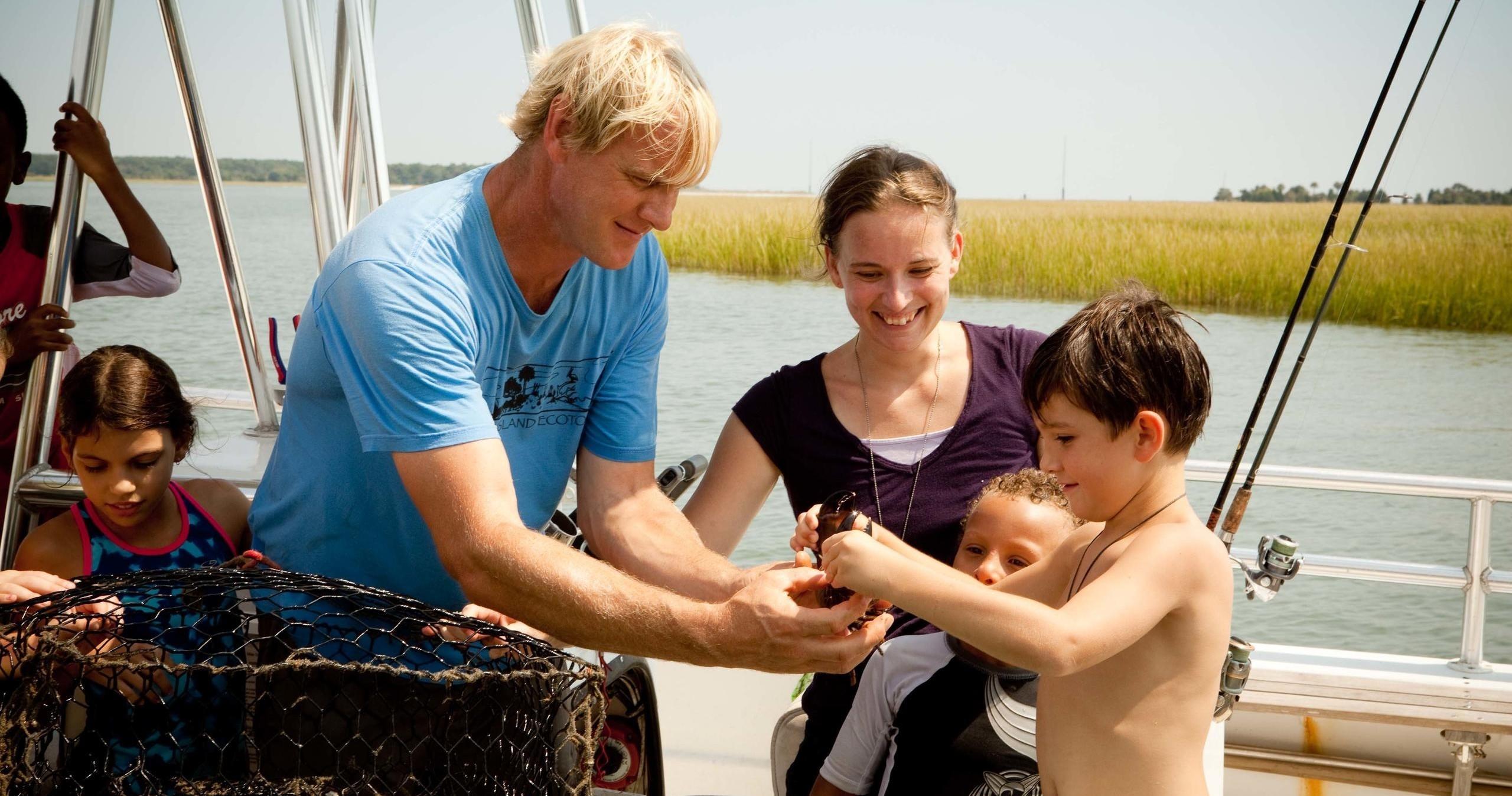
Family Fun Day
Starting at $190 per hour • An educative and Fun experience!
Discover the beauty of South Carolina's barrier islands with a Family Fun Day eco tour on Isle of Palms. Perfect for families, this adventure combines wildlife viewing, environmental education, and coastal exploration in a friendly, engaging setting.
Isle of Palms presents a compelling stage for wildlife and scenery photography that balances untamed natural beauty with accessible adventure. The salt marsh areas stretch over roughly 5 miles of networked trails, with modest elevation gains rarely exceeding 50 feet, making for comfortable conditions even on longer outings. Your feet will find steady footing on a mixture of elevated boardwalks and sandy paths braced with wooden planks, guiding you through patches of forested edges and wide-open marsh vistas.
Start early to take advantage of the soft golden light that pours through the swaying Spartina grass and glistens on the intricate creeks that dare to wind around the land. Tide charts should be your companion; low tide reveals mudflats alive with shorebirds probing and fiddler crabs bustling, while high tide invites waterfowl close enough to catch in crisp profiles. Both conditions offer distinct photographic stories.
For sharp shots of skittish wildlife—herons, egrets, osprey—bring a telephoto lens with a fast autofocus. Patience pays here. Create quiet moments by crouching low or using natural marsh grasses as framing devices to add depth. For sweeping scenes, a wide-angle lens balanced with polarizing filters will tame midday haze and amplify color contrast.
Hydration is key, especially in summer when heat and humidity push the salt marsh's fierceness. Breathable hiking shoes with waterproofing will steady your steps on occasionally soggy paths and slippery planks. Timing your visit around cooler parts of the morning, usually before 9 a.m., reduces glare and improves visibility through humid air.
Epic shots demand respect for the salt marsh's living rhythm. Wind rustles, water shifts, and birds wheel because this landscape refuses to sit still or be rushed. The challenge lies in learning to read these signals, anticipating moments when the marsh reveals its raw character. Up-close, a marsh rail might dart through cordgrass; from afar, the sun dipping behind the distant maritime forest bathes the tidal landscape in shades of orange.
Isle of Palms salt marsh adventures offer photographers a vibrant classroom. Here, each step invites discovery, every turn promises a fresh perspective, and the environment reminds you that true adventure sees nature as fierce and patient, never passive.
Nearby Trips
All Adventures
Boat Charters
Water Activities
Adventures near Charleston
Discover the unique and memorable adventures that make Charleston special.
Frequently Asked Questions
What times of day produce the best lighting for photography in the salt marsh?
Early mornings, particularly the hour after sunrise, yield soft, warm light with fewer harsh shadows, making it ideal for both wildlife and landscapes. Late afternoons, about two hours before sunset, provide golden hues and long shadows that enhance textures in the marsh.
How should I approach wildlife to avoid disturbance while photographing?
Maintain distance using telephoto lenses and move slowly and quietly. Avoid sudden movements or loud noises. Use natural cover like grasses or shrubs to remain unobtrusive, allowing animals to act naturally for authentic shots.
Are there any less visited spots on Isle of Palms salt marsh worth photographing?
Yes, the tidal creeks on the north side feature secluded boardwalks with excellent views of fiddler crabs and marsh wrens. Another hidden angle is the small peninsula near the east inlet where osprey nests often appear unobstructed.
What wildlife species are most commonly seen in the marsh throughout the year?
Year-round, expect great blue herons, snowy egrets, and raccoons near marsh edges. Migratory periods bring impressive numbers of sandpipers and plovers, while winter hosts canvasbacks and ruddy ducks on flooded flats.
Are there environmental considerations photographers should keep in mind when exploring the salt marsh?
Stay on designated trails and elevated walkways to protect fragile marsh vegetation and prevent erosion. Avoid feeding or approaching wildlife, and pack out all trash. The marsh is a sensitive ecological system actively managed for conservation.
Is it necessary to have advanced hiking skills to explore the salt marsh trails?
No advanced skills are needed, but moderate fitness helps manage uneven terrain and longer visits. Most trails are low elevation but may have narrow sections and slippery surfaces, so steady footing and a cautious pace improve safety.
Recommended Gear
Telephoto Lens (200-400mm)
Vital for capturing distant wildlife without disturbing their natural behavior.
Polarizing Filter
Enhances sky and water contrast, especially effective under bright sunlight.
Breathable Waterproof Hiking Shoes
Keeps feet dry on damp trails and maintains comfort for long hikes.
Hydration Pack
Allows easy access to water, critical when exploring under hot and humid conditions.
Local Insights
Hidden Gems
- "A secluded boardwalk on the north marsh offers remarkably close views of fiddler crab colonies."
- "The east inlet peninsula provides unobstructed osprey nest photography spots rarely crowded."
Wildlife
- "Marsh wrens, elusive but abundant among the grasses."
- "Fiddler crabs, whose rising claws punctuate the mudox flats."
- "Osprey pairs that nest within view on tall wooden platforms."
History
"The Isle of Palms salt marsh played a crucial role in the area's colonial rice cultivation and later served as a natural buffer protecting inland settlements during storms. As Charleston expanded, conservation efforts preserved these marshlands to maintain their ecological and cultural importance."