Capturing the Wild: Photography Tips for Isle of Palms Crabbing Eco Tours
Explore Isle of Palms through the lens on a crabbing eco tour where coastal wildlife meets breathtaking scenery. This guide offers practical tips for capturing the rich diversity of this salt marsh habitat while enjoying an accessible outdoor adventure near Charleston.
Bring Water and Snacks
Even though the walk is easy and short, the salty breeze and sun can quicken dehydration. Carry enough water and light snacks to maintain energy during your outing.
Wear Grippy Footwear
Boardwalks and sand dunes can be slippery when wet or covered in salt residue. Choose shoes with good traction to avoid slips or falls.
Use a Polarizing Filter
A polarizer reduces glare off tidal pools and water, enriching colors and improving clarity in your photos, enhancing your overall shot quality.
Time Your Tour Around Tides
Low tide reveals crabs and feeding birds, while high tide may bring dolphins closer offshore. Check tide charts before booking or heading out.
Capturing the Wild: Photography Tips for Isle of Palms Crabbing Eco Tours
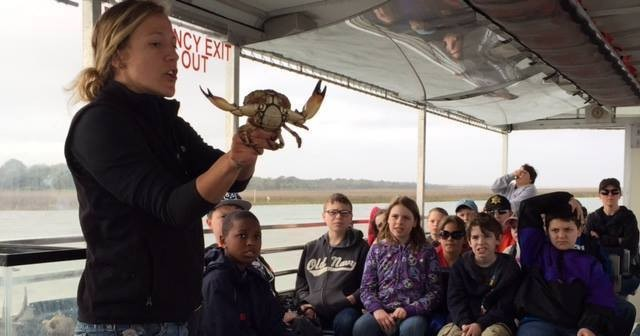
Blue Crabbing Excursion
3.5 hours • Includes crabbing, an eco tour, and a crab boil too! • All Ages
Join Barrier Island Eco Tours for an engaging Blue Crabbing Excursion on Isle of Palms. Experience hands-on crabbing, learn about coastal ecosystems, and enjoy breathtaking waterway views—perfect for eco-conscious travelers and adventure enthusiasts.
Isle of Palms offers a unique blend of salt marshes, tidal pools, and coastal forests that invite photographers and nature lovers to engage directly with the living ecosystem around them. During a crabbing eco tour, you’ll move through levees lined with salt grass trickling with morning dew and peer into the restless estuary waters where fiddler crabs scuttle like tiny architects, their movements punctuated by the gentle push of incoming tides.
Your lens will find a variety of subjects here—from blue herons standing statuesque against a backdrop of tidal flats to the delicate, waving fronds of spartina as the breeze gives them personality. The eco tour typically covers about 3 miles at a comfortable pace, mostly on boardwalks and low dunes with minimal elevation gain, allowing for easy access without sacrificing the wildness of the environment. Expect sandy or wooden terrain that can be slick from salt or morning mist.
For photography, timing is everything. Early morning hours, when the light sharpens the contrast and the wildlife wakes into motion, are your best bets. Late afternoon provides warm, angled light that deepens colors and casts long shadows, adding texture to flat landscapes. Keep your camera ready for unpredictable moments—the sudden flight of a heron, or a crab’s shadow darting beneath ripples stirred by the tide.
Equipment choice matters: a mid-range telephoto will capture shy creatures without disturbing them, while a wide-angle lens opens up the sweeping views across marshes and sea. Bring polarized filters to manage reflections on the water and help colors pop in flat light.
Hydration and footing are critical. Water bottles are essential; the saline air and sun can dehydrate quicker than expected. Footwear with good traction will steady you on wet, sometimes uneven boardwalk surfaces and dune sand.
The chance to combine learning about sustainable crabbing, observing wildlife up close, and photographing an active natural setting makes this eco tour uniquely rewarding. With a clear angle on both adventure and practicality, this activity suits solo travelers looking to engage deeply with nature, families eager to educate children about ecosystems, and photographers chasing fresh coastal imagery.
Be mindful that the Isle’s environment is fiercely itself—tides dictate the pace and opportunities. Respect wildlife by keeping distance and minimizing noise. This ensures that every shutter click preserves the fragile dance of life unfolding around you.
Nearby Trips
All Adventures
Boat Charters
Water Activities
Adventures near Charleston
Discover the unique and memorable adventures that make Charleston special.
Frequently Asked Questions
What wildlife can I expect to see during a crabbing eco tour?
Expect to see fiddler crabs actively shifting the mudflats, blue herons stalking prey, assorted shorebirds, and possibly small fish darting near the water's edge. Dolphins sometimes swim nearshore during high tide.
Is the crabbing eco tour suitable for children and beginners?
Yes, the walk is short with mostly flat terrain. It’s educational and accessible, making it great for families or those new to wildlife photography and eco tours.
When is the best time of day for photography on the eco tour?
Early morning and late afternoon are prime times. Morning light lends crispness and freshness, while afternoon provides warm tones that enhance coastal scenes.
Are there any local regulations I should be aware of during the tour?
Visitors should not disturb wildlife or remove any flora or fauna. Crabbing follows strict sustainable practices, ensuring the ecosystem remains balanced and healthy.
How do tides affect the tour experience?
Tides shift the accessibility and wildlife activity. Low tide reveals feeding crabs and birds, while high tide may bring different species closer and fill ponds with more visible reflections.
Can I expect to see any historical or cultural sites during the tour?
While the tour focuses mainly on natural habitats, you might glimpse remnants of old dock pilings or oyster farming practices ‘ghosted’ in the marsh, reflecting the island’s maritime history.
Recommended Gear
Mid-Range Telephoto Lens
Allows detailed shots of crabs, birds, and other wildlife without disturbing them.
Polarizing Filter
Improves water and sky contrast, cutting glare from reflective surfaces in all seasons.
Hydration Pack or Water Bottle
Keeps you hydrated, especially important on hot summer days under the sun.
Waterproof Hiking Shoes
Offers grip and protection on wet, sometimes slippery boardwalks and sand.
Local Insights
Hidden Gems
- "A quiet viewing platform near the Isle of Palms County Park offers unobstructed sunrise vistas over the salt marsh."
- "Off-trail salt marsh edges where fiddler crabs congregate in higher densities during late summer."
Wildlife
- "Fiddler crabs with their oversized claws dominate the shores."
- "Great blue herons and snowy egrets hunt steadily in the tidal flats."
- "Occasional bottlenose dolphins appear offshore, especially during high tide."
History
"The island’s crabbing practices echo generations of sustainable harvesting passed down by local communities, balancing livelihood with conservation."