When to Spot the Best Wildlife on Isle of Palms Salt Marsh Tours
Isle of Palms' salt marshes become a living stage where wildlife thrives if you know when to visit. This guide pinpoints the best times for sightings, paired with practical advice to help you navigate the ever-changing marsh landscape with confidence.
Time Your Visit With the Tide
Aim for low to falling tide periods to see exposed mudflats bustling with shorebirds and marine life.
Wear Waterproof Footwear
Salt marsh soil is often wet and uneven, especially near tidal pools, so sturdy waterproof shoes will keep you comfortable.
Bring Insect Repellent
Mosquitoes and biting flies increase during the warmer months, especially near water’s edge in late afternoon.
Carry Water and Dress in Layers
Marsh air can be both hot and drying; staying hydrated and flexible with clothing keeps your energy steady.
When to Spot the Best Wildlife on Isle of Palms Salt Marsh Tours
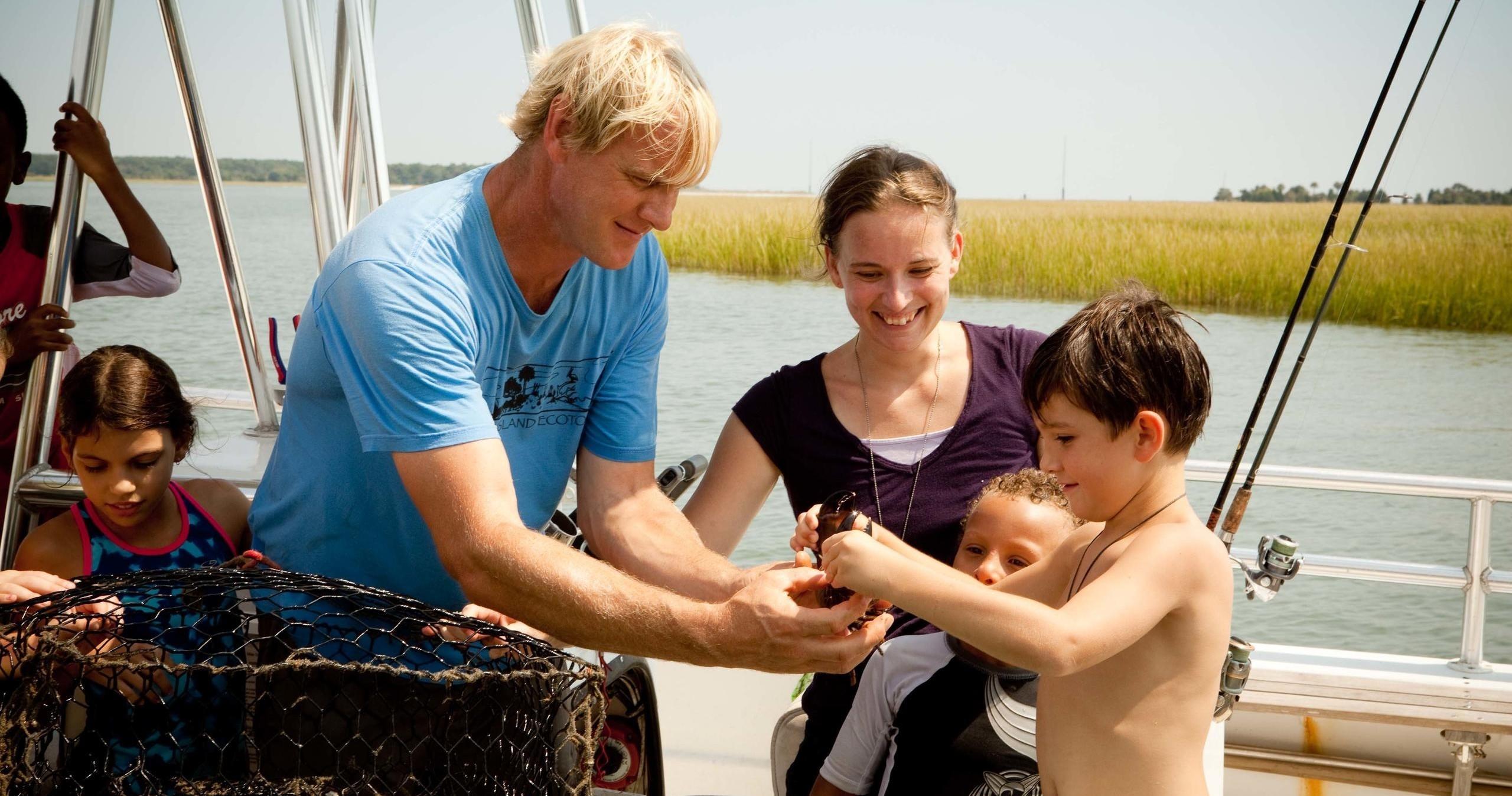
Family Fun Day
Starting at $190 per hour • An educative and Fun experience!
Discover the beauty of South Carolina's barrier islands with a Family Fun Day eco tour on Isle of Palms. Perfect for families, this adventure combines wildlife viewing, environmental education, and coastal exploration in a friendly, engaging setting.
On Isle of Palms, the salt marshes don’t just sit quietly—they pulse with life, daring you to witness their unpredictable drama. These marshes cover roughly 8,000 acres, marked by flat reaches of mud and grasses brushing against coastal breezes. The key to vivid wildlife encounters is timing: understanding the tides, the sun’s cycle, and seasonal shifts can turn an ordinary tour into an eyes-wide-open adventure.
Start your salt marsh tour between dawn and mid-morning. At this time, the marsh is still waking up; birds like great egrets and herons stretch their wings and launch stealthy hunts. The cooler air keeps animals active and visible. Plan tours around a falling tide—the water’s retreat exposes mudflats where fiddler crabs skitter and fish gather in shallow pools, luring wading birds that depend on these tideline feasts.
The terrain here is mostly flat and level, typically a short boardwalk or dirt trail winding through dense spartina grass. Distances for guided tours range from 1.5 to 3 miles with negligible elevation change, making them accessible but rewarding. The salt marsh isn’t subtle: it smells sharp and briny, and the wind often pushes against you, reminding that this is a landscape shaped by persistent coastal forces.
Afternoons bring shifting wildlife behavior. By late afternoon, heat slows many species, but look for raccoons and river otters along the waterways; they emerge with the cooling light. Evening tours offer glimpses of great horned owls setting territory or the splash of fiddler crabs settling into burrows as the tide rises again.
In preparing for your trip, wear sturdy waterproof footwear—salt marsh soils can be soggy and uneven. Bring layered clothes for temperature swings and insect repellent, especially in warmer months. Hydration is crucial; the marsh air can dry you out despite the proximity to water.
Visibility depends heavily on sunlight and tides, so check local tide charts and weather in advance. The marsh dares you to read its subtle signals: a flash of movement through the cordgrass, the shrill cry of a red-winged blackbird, or the ripple on water signaling a hidden fish or crab. Respect the space where wildlife rules fiercely, and your experience will deepen beyond spotting animals to feeling part of a living, dynamic ecosystem.
Every visit to Isle of Palms salt marsh tours offers a practical adventure—easy to access but complex in its rhythms and life. Timing your trip right means better sightings, more memorable moments, and a real connection to the coastal wildness waiting just beyond the island’s sunny beaches.
Nearby Trips
All Adventures
Boat Charters
Water Activities
Adventures near Charleston
Discover the unique and memorable adventures that make Charleston special.
Frequently Asked Questions
When is the best time of day to spot wildlife on Isle of Palms salt marsh tours?
Early morning between sunrise and 10 a.m. is ideal, as cooler temperatures increase animal activity. Late afternoon can also reveal creatures like raccoons and otters beginning their evening forays.
Do I need special permits or guided tours to explore the salt marsh?
Most salt marsh areas on Isle of Palms are publicly accessible, but certain boardwalks and preserves may require guided tours to protect habitats. Check local regulations and tour operators in advance.
What wildlife species should I expect to see during the tours?
Common sightings include great egrets, herons, fiddler crabs, raccoons, otters, and red-winged blackbirds. Seasonal migratory birds add diversity in spring and fall.
Are there any safety concerns related to tides during the tour?
Yes, tides change rapidly and can flood lower marsh areas. Always check tide charts to avoid being caught off-guard. Stick to marked trails and boardwalks to stay safe.
What gear is recommended for the salt marsh environment?
Waterproof footwear, insect repellent, layered clothing, sun protection, and hydration supplies are essential due to wet terrain, bugs, exposure to sun, and temperature swings.
Are the salt marsh trails wheelchair accessible?
Some boardwalk sections are designed for accessibility, but total trail accessibility varies. Contact local parks for specific information regarding accessible routes.
Recommended Gear
Waterproof Hiking Boots
Protect your feet from waterlogged soil and provide good traction on slick boardwalk sections.
Insect Repellent
Keep biting insects at bay especially during the warmer, wetter months when mosquitoes peak.
Layered Clothing
Marsh temperatures can vary, so layering lets you adjust comfort through changing conditions.
Water Bottle
Staying hydrated is critical, especially when air temperature and sunshine are high.
Local Insights
Hidden Gems
- "A quiet observation platform near Lighthouse Inlet offers surprisingly close views of marine spawning grounds."
- "A tucked-away high bluff along the marsh edge gives sweeping views of both saltwater and upland birds."
Wildlife
- "Marsh rice rats scurry through grasses silently but leave visible tracks in soft soil."
- "Diamondback terrapins sun themselves on low, salt-soaked logs during early mornings."
History
"The salt marshes around Isle of Palms have long supported local fisheries and coastal communities dating back to the 18th century, serving as vital resources for both Native Americans and European settlers."