Navigating the Wilds: Safety Essentials for Salt Marsh Eco Tours Off the Boat
Salt marsh eco tours near Charleston bring you face-to-face with dynamic tidal landscapes and vivid wildlife. This guide ensures you explore safely and effectively, balancing adventure with practical know-how to make the most of your time off the boat.
Check the Tide Schedule
Tides dictate access and safety; plan your off-boat hike to coincide with low tide and monitor conditions throughout your tour.
Wear Waterproof Footwear
Opt for rubber boots or waterproof hiking shoes to manage slick mud and shallow pools without losing footing or gear.
Bring Ample Water and Sun Protection
Open landscapes mean exposure; carry 1-2 liters of water, sunscreen, a hat, and polarized sunglasses to stay safe and comfortable.
Stick to Designated Paths
Protect yourself and the environment by following marked trails and guided routes to avoid fragile ecosystems and hidden hazards.
Navigating the Wilds: Safety Essentials for Salt Marsh Eco Tours Off the Boat

SCM PVT Dolphin Eco 16p
Most Popular Boat Trip! | 90 Minutes | Year-round
Join Outside in Hilton Head for a dolphin eco tour that reveals the beauty of Broad Creek’s salt marsh ecosystem. Perfect for wildlife lovers and families, this trip offers an up-close encounter with Atlantic Bottlenose Dolphins and other coastal wildlife in a natural setting.
Salt marsh eco tours offer a unique glimpse into a fiercely alive ecosystem where tides carry more than water—they bring the pulse of the marsh to every edge and inlet. Stepping off the boat, you engage with an environment that’s endlessly shifting: mud flats that challenge your footing, reeds that sway with intent, and waterways that dare you to read their currents. Safety here isn’t just about caution; it’s a practical dance with nature’s rhythms.
Start by understanding the terrain. Salt marshes often have soft, uneven mud where every step sinks slightly or tips unexpectedly. Expect to cover roughly 2 to 5 miles, depending on the tour, with minimal elevation—these are flat landscapes—but the difficulty lies in the underfoot conditions and fluctuating water levels. Footwear with good grip and water resistance is non-negotiable. Rubber boots or sturdy waterproof hiking shoes help you stay stable and dry, and prevent the mud from literally pulling your shoes off.
Tides rule the marsh as fiercely as any mountain storm. Knowing the tide schedule is crucial since the marsh can become inaccessible quickly when waters rise. Tours are timed to coincide with low tide, allowing maximum exploration without rushing. Bring a watch or smartphone with tide apps, and always confirm your pickup time and location with your guide before setting off. Watch the sky and water closely; storms can roll in fast, bringing wind that pushes currents and waves unexpectedly.
Hydration and sun protection remain practical priorities. The marsh’s openness offers little shade, and the sun can beat down relentlessly. Pack water—plan for at least 1 to 2 liters per person—and apply waterproof sunscreen. A wide-brimmed hat and polarized sunglasses sharpen your vision and shield your face from reflections off the water and marsh grass. Insects can also be persistent; bring a lightweight insect repellent to keep mosquitoes and biting flies at bay without damaging the delicate environment.
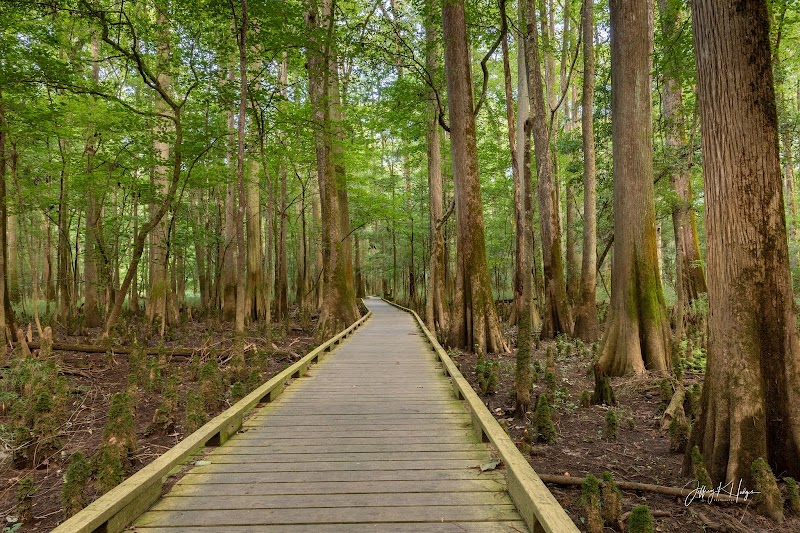
Movement around the salt marsh requires a deliberate pace. The mud, salty pools, and boardwalk sections each test your balance differently. Stick with your group and avoid wandering off designated paths. The marsh is home to protective wildlife, like nesting birds and sprawling root systems from Spartina grasses that might seem like simple obstacles but hold the balance of this fragile ecosystem.
Keep an eye out for wildlife, but respect their space. Herons stand statuesque, crabs scuttle with purpose, and fish dart under shallow ripples. This is an ecosystem both finely tuned and fierce; the water pushes forward against your passage as if asking you to tread lightly. Learn to read the signs—the shift in birdcalls or the pattern of the reeds—to stay aware.
In sum, salt marsh eco tours off the boat offer a hands-on encounter with a world that’s both inviting and exacting. Preparation, respect, and mindfulness turn this adventure into a safe and rewarding journey through one of nature’s dynamic working habitats. With the right gear, timing, and attitude, you’ll emerge not just with memories but with a newfound understanding of a salt marsh’s persistent heartbeat.
Nearby Trips
All Adventures
Boat Charters
Water Activities
Adventures near Charleston
Discover the unique and memorable adventures that make Charleston special.
Frequently Asked Questions
What should I wear for off-boat salt marsh tours?
Wear waterproof boots with good traction to manage soft mud and tidal pools. Lightweight, layered clothing is recommended to adapt to temperature changes and weather shifts.
How do tides affect salt marsh hiking?
Tides control water levels and accessibility. Most tours are scheduled around low tide—at high tide, many paths flood or become unsafe, so timing is critical.
Are salt marsh wildlife encounters safe?
Yes, but respect wildlife space. Birds and marine species are accustomed to humans on designated paths, but sudden movements or loud noises can disturb them or provoke defensive behavior.
Can I explore the marsh alone after disembarking?
It’s best to stay with guides or groups. The marsh terrain and tides can disorient visitors quickly, and strong currents can isolate climbers if not careful.
What are common hazards to watch for off the boat?
Mud pits that act like suction, sudden rising tides, sharp shells or rocks hidden in shallow water, and insects are the primary challenges that require vigilance.
How do I protect the marsh environment during tours?
Stay on established pathways, avoid disturbing plant life or animals, carry out all trash, and use eco-friendly insect repellent to minimize impact.
Recommended Gear
Waterproof hiking boots or rubber boots
Protects feet from mud and saltwater, providing grip and stability across slick marsh surfaces.
Hydration pack or water bottle
Maintains hydration under sun and humidity; critical to prevent heat exhaustion.
Lightweight insect repellent
Repels mosquitoes and biting flies common in warmer months without harming delicate salt marsh flora.
Sun hat and polarized sunglasses
Provides protection from sun glare and UV rays, necessary for long stretches under open skies.
Local Insights
Hidden Gems
- "The secluded Vista Point at Shem Creek, offering wide views of tidal channels."
- "An overlooked cluster of oyster beds where crabs gather beneath low tide."
Wildlife
- "Great Blue Herons stalking the shallows like silent sentries."
- "Fiddler crabs waving claws as territorial gestures."
- "Marsh periwinkles grazing on salt marsh cordgrass."
History
"Salt marshes around Charleston have supported local communities for centuries, providing vital fishing grounds and serving as natural storm buffers."