Navigating Coastal Currents: A Practical Guide to Folly Beach and Kiawah Island, South Carolina
Explore the dynamic coastal landscapes of Folly Beach and Kiawah Island, where tides and winds shape every step. This guide combines vivid descriptions with practical advice to help you plan a safe and rewarding adventure along South Carolina’s Atlantic shores.
Check Tide Schedules Before You Head Out
Rising tides can narrow beach passageways and alter trail accessibility, especially at Kiawah Island. Plan your hike at low tide for easier navigation and extended beach stretches.
Wear Waterproof Footwear with Good Traction
Trails alternate between sandy beaches and marshy paths that retain moisture. Waterproof shoes help avoid discomfort and provide grip on slippery areas.
Hydrate and Protect Against Coastal Sun
Salt air and wind intensify dehydration. Bring ample water, wear sunscreen, and use protective gear like hats and sunglasses, particularly during summer months.
Respect Wildlife and Nesting Areas
Coastal birds and turtle nesting zones are sensitive. Keep to marked trails and follow local guidelines to help preserve habitats.
Navigating Coastal Currents: A Practical Guide to Folly Beach and Kiawah Island, South Carolina

1 Week - Beach Rentals
Discover a week of coastal adventure with Venice Rents in sunny Venice, Florida. Paddle, kayak, or relax on the Gulf’s warm sands for an experience that combines learning, fun, and outdoor recreation.
The coastal edges of Folly Beach and Kiawah Island stand as dynamic landscapes, shaped by tides and breezes that assert their own rhythms. Here, the Atlantic Ocean is never passive; currents push along the shorelines, and shifting sands rewrite the paths beneath your feet. Whether you're setting out from Folly Beach’s well-trodden sand or exploring Kiawah Island’s quieter, forest-framed coast, understanding the conditions is key to a safe and rewarding adventure.
Folly Beach offers a more urban gateway to the ocean, where surf breaks dare surfers and the gentle pounding of waves meets a stretch of sandy dunes. Walking here means navigating a stretch of about 4 miles along the shore, with near-level terrain that extends to Charleston’s harbor. The ground shifts from firm sand to soft patches near the waterline. Awareness of the tide schedule is crucial; rising tides push the shoreline inward, tightening the available walking space and sometimes forcing detours onto dune paths or boardwalks. Early morning or late afternoon tends to offer cooler temperatures and reduced crowding.
Kiawah Island, by contrast, presents a wilder, less-traveled experience. Spanning roughly 6 miles of coastal trails through maritime forests and salt marsh boundaries, elevation gain is minimal but the terrain is complex. Trails combine sandy stretches with exposed roots and occasional marsh crossings where water dares you to find stable footing. Here, salt air mixes with the earthy scent of pine and palmettos. Strong coastal winds sculpt the dunes and ripple the marsh grasses, pushing hikers to adjust their pace and footing. Timing your hike around low tide grants access to more expansive beach sections, while high tide reveals protected estuaries bustling with bird life.
Both locations demand practical preparation: sturdy waterproof footwear that can handle wet sand and muddy patches, layered clothing to adjust to coastal breezes, and hydration to counteract the drying effect of salt wind. Sunscreen and a wide-brimmed hat are not optional, especially in the peak summer months from June to September.
Safety also involves respecting the forces at play. Understand local tide tables; currents can sweep rapidly and unexpectedly, particularly near inlets at Kiawah Island. Keep to posted trails and observe signage to avoid nesting areas and fragile ecosystems. Remember, these shores are fiercely themselves—shaped by wind and sea, demanding your full attention.
Navigating the coastal conditions of Folly Beach and Kiawah Island offers parallels: each requires a balance of respect for the elements and an eagerness to engage with the environment. The ever-moving tides and winds challenge hikers to stay flexible and alert. But the payoff is clear—expansive water views, encounters with coastal wildlife, and the restorative hush of a landscape that insists on being experienced firsthand. For those who come prepared, the journey along these South Carolina shores is a vivid invitation to experience the coast with both feet firmly grounded and eyes wide open.
Nearby Trips
All Adventures
Boat Charters
Water Activities
Adventures near Charleston
Discover the unique and memorable adventures that make Charleston special.
Frequently Asked Questions
What are the safest times to hike along Folly Beach and Kiawah Island?
Low tide periods are generally safest, expanding beach access and reducing risk of being caught by incoming tides. Early mornings and late afternoons avoid heat and higher crowds, providing a more comfortable and secure experience.
Are there any wildlife hazards to watch out for?
While mostly harmless, watch for nesting areas of shorebirds and sea turtles, especially in spring and summer. Additionally, be aware of occasional jellyfish washed ashore—the currents sometimes deliver their stings close to the tide line.
Can I hike the trails year-round?
Yes, but conditions vary. Winters bring cooler temps and stronger winds; summers require sun protection and hydration. Spring and fall offer moderate climate and good wildlife viewing but come with increased rain or storm risk.
Are the trails wheelchair or stroller accessible?
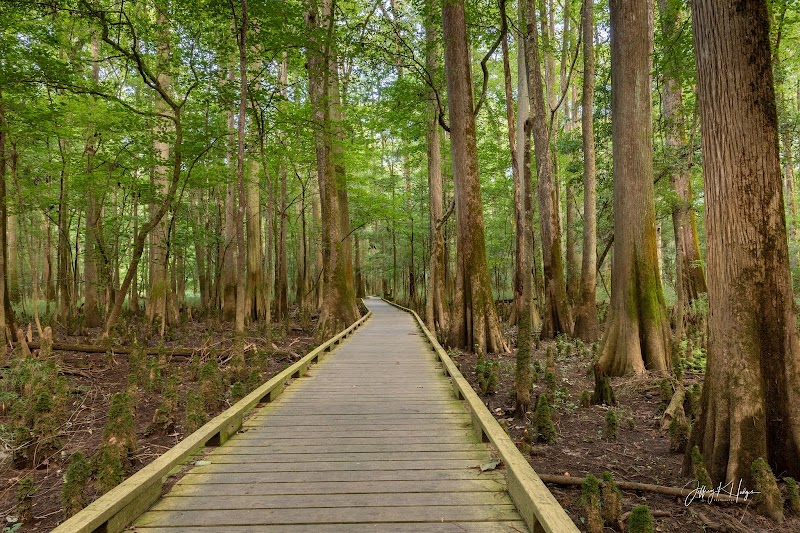
Folly Beach has sections with boardwalks that provide easier access, but most beach and marsh paths on Kiawah Island have uneven, sandy, or root-covered terrain, making wheelchair and stroller access limited.
Is it possible to camp near these coastal trails?
Both areas have designated camping facilities nearby—Folly Beach State Park and Kiawah Island Beach Club—but there is no dispersed camping allowed directly on the beach or coastal trails to protect the ecosystem.
Where are the best points to view coastal wildlife?
Kiawah Island’s marsh boardwalks offer quiet vantage points for spotting egrets, herons, and dolphins. Folly Beach’s eastern end near Morris Island Lighthouse is great for watching shorebirds and sea turtles, especially during nesting seasons.
Recommended Gear
Waterproof Hiking Shoes
Protect your feet from wet sand and marshy areas, improving grip and comfort.
Hydration Pack or Water Bottle
Essential for maintaining hydration, especially when coastal winds accelerate fluid loss.
Sunscreen and Wide-Brimmed Hat
Crucial for skin protection against intense UV exposure on open beaches.
Lightweight Windbreaker
Shields against chilly coastal winds and sudden weather shifts.
Local Insights
Hidden Gems
- "Kiawah Island’s Bird Sanctuary Trail offers secluded marsh views often missed by casual visitors."
- "Folly Beach’s ‘Wetlands Park’ features tranquil forested paths shaded from coastal winds."
Wildlife
- "Snowy egrets and reddish egrets patrol the tidal pools at Kiawah."
- "Folly Beach hosts loggerhead sea turtles who return to nest from May through August."
History
"Folly Beach served as an important port and military installation during the Civil War, with remnants like the Lighthouse and Morris Island Lighthouse nearby marking its strategic significance."