
Mastering the Night Glow: Optimal Timing for Charleston's Bioluminescence Adventure
Experience the rare magic of Charleston’s bioluminescent waters by mastering the perfect timing to catch this natural light show. Learn how lunar cycles, tides, and seasonal heat combine to create an unforgettable, glowing adventure along coastal trails.
Choose New Moon Nights
Plan your visit around the new moon or when the moon is below the horizon to maximize darkness and bioluminescence visibility.
Wear Sand-Friendly Footwear
Opt for sturdy sandals or trail shoes with good traction for walking sandy paths and salt marsh trails.
Bring Red Light Headlamp
Use a headlamp with a red filter to preserve your night vision while safely navigating unlit trails.
Protect Against Mosquitoes
Apply eco-friendly insect repellent to reduce bites in humid coastal evenings without harming the environment.
Mastering the Night Glow: Optimal Timing for Charleston's Bioluminescence Adventure
Moonlight Cruise Boat Tour
All Ages! • Up to 6 Guests
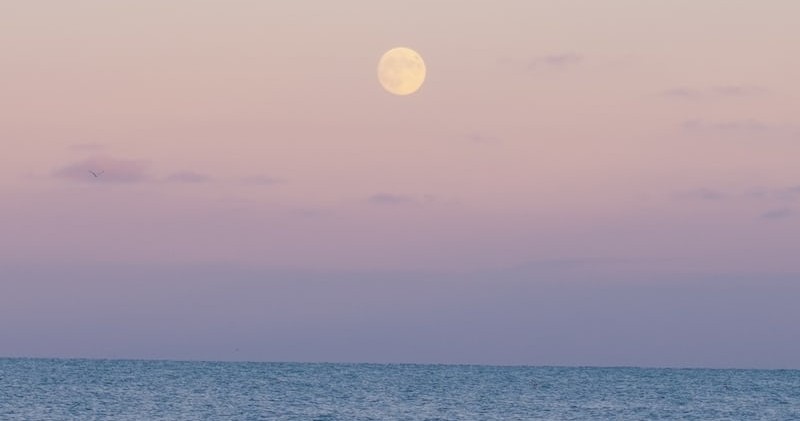
Discover the beauty of Mount Pleasant after dark on a private moonlight boat tour. Enjoy peaceful waters, local wildlife, and stunning sunset views—perfect for a memorable evening adventure.
Bioluminescence along Charleston’s coast is a fleeting, electrifying phenomenon, one that demands precise timing and respect for nature’s rhythms. To catch this natural light show at its peak, your best window lies between late spring and early fall, when warmer waters coax microscopic plankton to shimmer under moonless skies. The shores around Charleston, especially the tidal creeks and salt marshes like those near Folly Beach and the Isle of Palms, frame this spectacle with quiet, rhythmic backdrops — water daring you closer, moonlight absent enough to let the glow take center stage.
Preparation is more than just a matter of gear; it’s about understanding the pulse of the tidal flow and the lunar cycle. To spot bioluminescence, plan your outing on a night with a new moon or when the moon is below the horizon, ideally three hours after sunset. The tides weigh heavily on visibility: low tide tends to concentrate bioluminescent organisms in smaller pools, intensifying the sparkle.
The journey to a good viewing spot requires negotiating salt marsh trails and sandy coastal paths. For example, the walk from Folly Beach parking to the known glow points is roughly 1.5 miles round trip, flat but sandy terrain that demands sturdy, sand-friendly footwear. Bring a headlamp with a red light setting; it preserves night vision while navigating the dark paths.
Hydration and insect protection are critical. Evening humidity and marsh mosquitoes push the discomfort factor up quickly. Pack a lightweight water bottle and any preferred bug spray, but remember to choose eco-friendly options that won’t upset the fragile ecosystem you’re about to witness.
The experience itself is both quiet and electric. As your feet push against tidal pools, streaks of blue fire spring in your wake — a direct interaction with an ancient, fiercely alive organism reacting to your movement. It’s a moment of humility and wonder, not conquest. Hold still, and the glowing subsides; stir the water again, and the organisms invite you back into their dance.
In sum, timing your Charleston bioluminescence moment involves syncing lunar darkness, tidal ebb, and seasonal warmth. By respecting these natural beats and preparing thoughtfully, the adventure delivers a luminous reward that’s both inspiring and grounded in ecological reality.
Nearby Trips
All Adventures
Boat Charters
Water Activities
Adventures near Charleston
Discover the unique and memorable adventures that make Charleston special.
Frequently Asked Questions
When is the best time at night to see the bioluminescence?
Bioluminescence is most visible roughly three hours after sunset when the sky is fully dark and before the moon rises. Dark, moonless nights amplify the glow.
Are there specific locations near Charleston better for bioluminescence viewing?
Tidal creeks and salt marshes around Folly Beach and the Isle of Palms are prime spots. These areas concentrate plankton in shallow waters, intensifying their glow.
Can bioluminescence be seen year-round in Charleston?
No, bioluminescence peaks from late spring through early fall due to warmer water temperatures and plankton cycles. Winter nights rarely produce visible glow.
Is this adventure suitable for families with children?
Yes, but caution is needed navigating dark trails and protecting children from insects. Stick to easier paths and keep close supervision after dark.
How can I avoid disturbing the local environment during my visit?
Use eco-friendly insect repellents, stay on established paths, avoid loud noises, and do not contaminate water. Respect the habitat to preserve delicate bioluminescent organisms.
Are there guided tours available for bioluminescence viewing in Charleston?
Yes, several local outfitters offer guided night kayak or walking tours, which provide safety, expert knowledge, and access to optimal locations.
Recommended Gear
Waterproof Trail Shoes or Sandals
Protects against wet and sandy terrain, offering grip and quick drainage while walking tidal flats and marsh paths.
Red Light Headlamp
Maintains night vision; essential for safely navigating dark trails without washing out bioluminescence glow.
Lightweight Hydration Pack
Keeps you hydrated during humid coastal nights; compact and hands-free to allow uninterrupted movement.
Eco-Friendly Bug Spray
Reduces insect bites while preserving the surrounding delicate ecosystem.
Local Insights
Hidden Gems
- "Quiet tidal pools near Lighthouse Inlet Preserve offer concentrated bioluminescent bursts."
- "The less-visited Marsh Island trails provide a serene backdrop with minimal light pollution."
Wildlife
- "Look for fiddler crabs scuttling at the waterline and nocturnal shorebirds wary of your approach."
- "Occasional sightings of bottlenose dolphins in nearby bays add to the coastal encounter."
History
"Charleston's coastal marshes have long been part of indigenous and colonial livelihoods, shaping local culture through fishing and navigation. These waters support ecosystems documented for centuries."