
Mastering the Clock: Timing Your Shelling and Fishing Trips for Maximum Success
Shelling and fishing along South Carolina’s coast demand more than patience—they require perfect timing. Discover how tides, daylight, seasons, and weather converge to create the ideal conditions for a successful trip near Charleston.
Check Tide Charts Ahead
Plan your shelling around low tides and fishing near high tides for optimal exposure and fish activity.
Start Early or Late
Fish bite best at dawn and dusk, while shelling is brighter and easier with morning light before low tide.
Wear Slip-resistant Footwear
Rocky coasts and slippery tide pools demand sturdy shoes with good grip to prevent falls.
Stay Hydrated and Protected
Bring water and sunscreen to handle coastal sun and the physical demands of walking sandy and rocky terrain.
Mastering the Clock: Timing Your Shelling and Fishing Trips for Maximum Success

Shelling Excursion
All ages • 4-8 hours
Join Day 5 Charters in Fort Myers Beach for a hands-on shelling adventure, fishing, and island exploration. Discover the region’s natural beauty with guides who craft personalized trips for all ages. Perfect for family fun or seasoned outdoor lovers seeking a unique ocean experience.
Shelling and fishing don’t just happen—they unfold in rhythm with nature’s clock. Understanding the right time to strike out is essential for a fruitful day at the coast. Whether you’re combing sandy beaches for shells or casting lines into rolling surf, timing isn’t just about convenience; it’s about aligning your efforts with the ocean’s moods and cycles.
Start with tides. Low tide reveals the best shelling grounds, exposing tide pools and rocky outcrops where shells gather and marine life is more visible. Check local tide charts before planning your trip. Aim to arrive an hour before low tide to catch the prime window—shells won’t wait, and neither should you.
Fishing timing hinges on both tide and daylight. Early mornings and late afternoons are golden hours when fish are most active, feeding before and after the heat of the day. Tide changes stir the waters, pushing baitfish around and drawing bigger predators closer to shore. Target windows about two hours before to two hours after high tide for the best bite.
Seasons matter. Spring and fall generally deliver richer hauls for both shellers and anglers. Cooler water temperatures bring clearer oceans and more active fish. Summer’s warmth can slow marine activity; winter brings rougher seas but also unique shell varieties washed ashore.
Weather plays its part, too. Calm days with light winds make for easier fishing and safer beach combing. Storm fronts can stir the ocean, pushing fresh shells onto the sand, but also pack strong currents and dangerous waves, demanding caution.
Planning your trip around these factors means packing the right gear and waking early, but the payoff is worth the effort. Durable boots for slick rocks, a bucket for your finds, layered clothing to adapt to changing coastal winds, and plenty of water to stay hydrated are essentials.
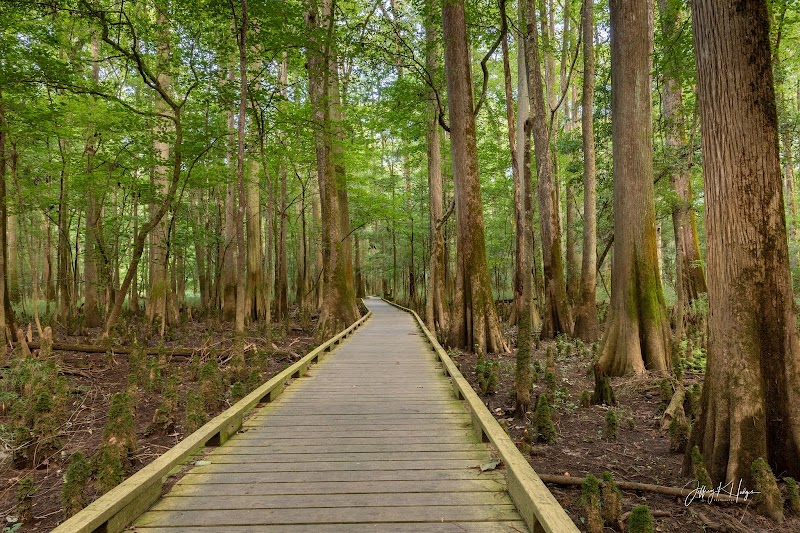
On the trail to your spot, notice how the forested coastal paths breathe with the sea breeze and the waves at your side dare you onward. The environment pushes and invites, rewarding patience with glimpses of birds diving and crabs scuttling under tide pools.
This nuanced dance with tides, daylight, season, and weather rewards those who respect its pace. It’s an adventure sparked by timing, a practical engagement with fiercely lively natural rhythms that shape every shell and every catch.
Nearby Trips
All Adventures
Boat Charters
Water Activities
Adventures near Charleston
Discover the unique and memorable adventures that make Charleston special.
Frequently Asked Questions
When is the best time of day to go shelling or fishing at the South Carolina coast?
Aim to begin shelling about an hour before low tide to catch freshly exposed shell beds. For fishing, the two hours before and after high tide often bring the best action due to water movement and feeding cycles.
Is special gear needed for shelling on rocky areas?
Yes, slip-resistant, waterproof boots are recommended to navigate slippery rocks and tide pools safely while preventing injury.
Are there any safety concerns with ocean currents during these activities?
Tidal currents can be powerful near inlets and estuaries. Always respect warning signs, avoid venturing too deep, and check local safety advisories.
Can I combine shelling and fishing on the same trip effectively?
Absolutely. Plan your shelling during low tide and follow with fishing timed around high tide. This approach maximizes the potential for both activities in one trip.
What wildlife might I encounter during these coastal trips?
Look for shorebirds like sandpipers and herons, crabs in tide pools, and occasionally dolphins offshore. Early morning is best to catch wildlife activity.
How do seasonal changes affect what shells or fish I might find?
Spring and fall bring active fish migrations and diverse shell deposits due to shifting ocean conditions. Summer tends to have more sun-bleached shells but slower fish; winter can offer unique cold-water species and exotic shells washed ashore by storms.
Recommended Gear
Waterproof Hiking Boots
Protects feet from slippery rocks, wet sand, and sharp shells while providing ankle support.
Tide Chart / Tide App
Knowing the tidal schedule is key to timing your visit for maximal shell and fish exposure.
Long-Sleeve UV Shirt
Provides breathability and sun protection during long hours in coastal sun and wind.
Insulated Water Bottle
Keeps you hydrated throughout the day, especially important under sun-exposed coastal conditions.
Local Insights
Hidden Gems
- "Isle of Palms' lesser-known west beach offers quieter shelling away from crowded tourist spots."
- "Edisto Beach’s salt marsh edges reveal rare conchs and scallop shells after heavy tides."
Wildlife
- "Eastern diamondback rattlesnake sightings are uncommon but possible in dune grass areas—stay alert."
- "Brown pelicans and osprey nests are visible from select coastal vantage points during nesting season."
History
"The Charleston region’s waterways have supported native Gullah communities for centuries, with shell middens marking ancient cultural sites blending practical harvesting with tradition."