Gear And Safety Essentials For Eco-Focused Crabbing In Isle Of Palms, SC
Eco-focused crabbing on Isle of Palms, SC, offers a hands-on encounter with salt marsh life that demands both respect and preparation. This guide outlines essential gear and safety tips to help you navigate tides, terrain, and wildlife responsibly while making the most of your coastal adventure.
Check Tide Charts Before You Go
Tides dictate when and where you can crab safely. Aim for low tide windows but always monitor water levels to avoid getting trapped or caught in strong currents.
Wear Water-Resistant, Sturdy Footwear
Navigating slick mudflats and shifting sandbars requires boots that protect and grip. Avoid flip-flops or worn shoes for better traction and safety.
Use Eco-Friendly Gear
Select traps and nets designed to minimize harm to other wildlife and habitat. Avoid plastic bait containers and bring reusable equipment whenever possible.
Hydrate and Protect Against Sun
Coastal sun can intensify quickly. Carry adequate water, apply sunscreen, and wear a hat to prevent dehydration and sunburn during your outing.
Gear And Safety Essentials For Eco-Focused Crabbing In Isle Of Palms, SC
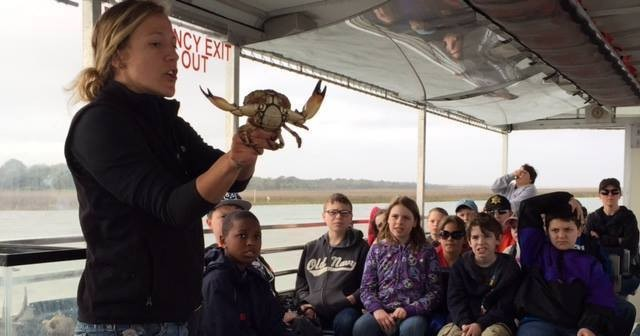
Blue Crabbing Excursion
3.5 hours • Includes crabbing, an eco tour, and a crab boil too! • All Ages
Join Barrier Island Eco Tours for an engaging Blue Crabbing Excursion on Isle of Palms. Experience hands-on crabbing, learn about coastal ecosystems, and enjoy breathtaking waterway views—perfect for eco-conscious travelers and adventure enthusiasts.
Isle of Palms offers a rugged saltwater dance where land and sea meet, making it an ideal stage for eco-conscious crabbing enthusiasts. The marshes and tidal creeks carry whispers of crab claws skimming over muddy bottoms, inviting you to engage with this living environment responsibly. To venture into crabbing here, come prepared with the right gear and safety knowledge—balancing respect for this fiercely dynamic habitat with practical readiness ensures a rewarding experience.
Your crabbing day begins at the salt marsh edges and tidal pools that rim the island. Expect terrain shifting between firm sandbars and soft mudflats, the latter slick and unpredictable beneath your boots. Sturdy, water-resistant footwear is essential to handle wet surfaces without sacrificing stability. Lightweight gloves will protect your hands from scrapes and claws, while a dip net or collapsible crab trap—designed to minimize bycatch and environmental disturbance—will serve as your primary tool for capture.
Safety here is a matter of rhythm: tides shape your window for success and safety. Crabbing at low tide maximizes access to crab-hunting grounds but demands awareness of rapidly returning saltwater pushing inland. Tide charts are your guide; timing your adventure to avoid swift currents means you stay ahead of nature’s curve. A portable water bottle and sun protection bring balance to the intense coastal sun, especially midday.
Carry a local crabbing license if required and adhere to daily catch limits—this practice safeguards crab populations against overharvesting, sustaining the cycle for future visits. Awareness of local wildlife like herons stalking nearby or fiddler crabs darting across the mud adds to the experience, reminding you that you share this habitat with others fiercely alive in their roles.
Portable waterproof containers and bait like chicken necks or fish scrap attract crabs effectively while limiting pollution. Avoid plastics or toxins in your gear choices to keep the marsh intact.
When it’s time to pack up, leave no trace. Check for stray lines, tangled nets, or discarded bait. The marsh doesn’t forgive neglect—its currents and creatures will swiftly reclaim what is left behind but at the cost of disrupting this delicate ecosystem.
Prepare for changing weather: coastal winds can shift rapidly, and sudden showers sweep across the island. Bringing a lightweight rain jacket and layered clothing is a practical buffer against the elements. Finally, a headlamp or flashlight can be helpful for early morning or late afternoon crabbing, especially near shaded creek edges.
Isle of Palms isn’t just a destination; it’s a living mesh of salt, mud, and claw. Approaching eco-focused crabbing here with respect, detailed preparation, and an understanding of the landscape invites a true partnership with this fiercely alive environment. Your challenge is to engage without taking more than you need, to listen to the tide’s call and respond prudently—this sustainable approach ensures Isle of Palms remains a crabbing haven for generations.
Nearby Trips
All Adventures
Boat Charters
Water Activities
Adventures near Charleston
Discover the unique and memorable adventures that make Charleston special.
Frequently Asked Questions
Do I need a permit or license to crab on Isle of Palms?
Yes, South Carolina requires a recreational saltwater fishing license for crabbing. These can be obtained online or at local tackle shops. Licenses help manage sustainable shellfish populations.
What species of crabs can I expect to catch here?
Blue crabs dominate these waters, prized for their size and flavor. You might also see fiddler crabs near shore, but these are not legal catch and serve as important ecological players.
Are there any local regulations or catch limits?
Yes, daily catch limits exist to prevent overharvesting—generally 12 legal-sized blue crabs per person per day. Familiarize yourself with size restrictions to avoid undersized crabs.
Where are the safer spots to crab without risking strong currents?
Look for tidal pools and marsh edges on the island’s northern and eastern sides where waters flow gentler during tides. Avoid exposed inlets with rapid water movement.
What wildlife should I be cautious of while crabbing?
Herons and egrets aggressively fish nearby and may startle you. Watch for snakes within marsh grasses, which are generally non-aggressive but best given space.
How do tides influence crabbing success on Isle of Palms?
Crabs retreat and advance with tides—low tides expose mudflats where crabs feed and hide, making them easier to catch. Timing your visit around tide changes maximizes efficiency and safety.
Recommended Gear
Water-Resistant Boots
Essential for traction and foot protection across mudflats, sand, and tidal pools.
Collapsible Crab Trap or Dip Net
A practical tool for sustainable crabbing that minimizes harm to other wildlife.
Lightweight, Long-Sleeve Sun Shirt
Protects skin from UV rays while keeping you cool amid coastal sun exposure.
Portable Water Bottle
Staying hydrated is vital—carry enough water to last your session.
Local Insights
Hidden Gems
- "The small oyster reefs along Capers Inlet offer quiet spots less frequented by tourists."
- "Folly Creek, a tidal creek with calm waters, allows easier access for families and beginners."
Wildlife
- "Great blue herons and snowy egrets are common predators watching your every move."
- "Fiddler crabs act as natural indicators of marsh health and change color visibly through seasons."
History
"Isle of Palms has a legacy rooted in fishing and oyster harvesting dating back through colonial times, with the marshlands once serving as vital economic grounds for local communities."