Mastering Safety Gear and Etiquette on Multi-Section River Trips through Red Canyon
Red Canyon’s multi-section river trips offer an exciting mix of calm waters and rapid surges framed by towering red cliffs. Proper safety gear and respectful river etiquette ensure your adventure is thrilling yet secure, highlighting the practical steps to prepare for this dynamic environment.
Prioritize Life Jackets
Always wear a Coast Guard-approved life jacket on the river sections. Even calm stretches can hide unexpected currents or submerged obstacles.
Use Dry Bags
Protect your electronics, food, and clothing with high-quality waterproof dry bags to prevent water damage during river crossings or unexpected splashes.
Respect Portage Zones
Stick to established paths and avoid trampling vegetation when carrying gear around rapids; this helps preserve fragile riverbanks and reduces erosion.
Communicate Clearly
Use hand signals and calm, firm verbal commands in group sections to coordinate passage through difficult water safely.
Mastering Safety Gear and Etiquette on Multi-Section River Trips through Red Canyon

Half Day Red Canyon Rafting Trip
Ages 2+ • 4.5 Hours
Experience the thrill of whitewater rafting on the scenic Shoshone River during our Half Day Red Canyon Rafting Trip. Perfect for all skill levels, this adventure offers stunning canyon views and exciting rapids just outside Cody, Wyoming.
Red Canyon’s winding river dares you to navigate its multi-section stretches with respect and preparation. Each section offers a distinct pulse—some calm stretches coaxing reflection, others surging with energy that demands your full attention. To stay safe and make the most of the journey, your gear and behavior on the river must align with the river’s rhythm.
Safety gear is your first line of defense. A reliable, Coast Guard-approved life jacket is non-negotiable—currents in Red Canyon, especially during spring runoff, can swell unexpectedly. A sturdy helmet is recommended when negotiating rocky rapids or narrow passages carved tight by towering canyon walls. Durable river shoes with secure tread help grip slippery, uneven terrain both in water and on shore during portages. Quick-dry clothing layers, a waterproof dry bag for essentials, and a whistle for signaling complete the essentials.
Equally important is river etiquette. Travel in groups whenever possible to watch out for each other through challenging sections. Communicate clearly and calmly, especially approaching hazards or paddling obstacles. Respect other river users and maintain a reasonable distance—quiet moments allow you to hear the river’s natural voice and spot wildlife undisturbed. When stopping to camp or rest, choose durable surfaces well away from the river’s edge to prevent erosion and protect local flora.
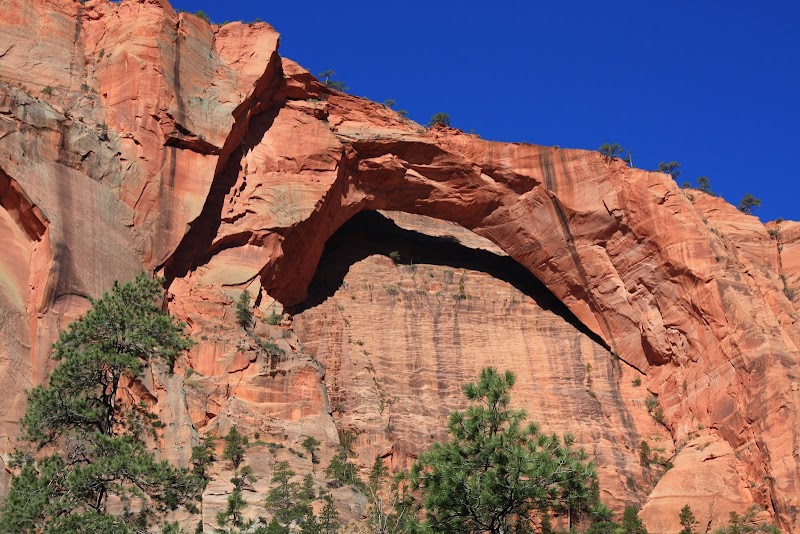
Multi-section trips often involve portaging gear. Efficient packing and shared loads reduce fatigue and speed movement between river sections. Plan your stops in advance; many access points lie 10 to 15 miles apart, with elevation changes that test your stamina, ranging from gentle inclines to brief, steep scrambles over rocky terrain. Forested paths offer welcome shade while opening to sweeping views of red rock cliffs reflecting the afternoon sun.
Hydration cannot be overstated. The dry Utah climate intensifies exertion, so carry at least 3 liters of water per person per day and a portable filtration system for river water. Start early to avoid midday heat, and keep a close eye on weather changes—afternoon storms can send swift currents rushing downstream.
Navigating Red Canyon’s river is an engagement with a force fiercely itself, requiring vigilance, respect, and the right gear. Embrace the challenge for the reward of experiencing this landscape’s compelling, ever-changing character firsthand.
Nearby Trips
All Adventures
Boat Charters
Water Activities
Adventures near Cedar City
Discover the unique and memorable adventures that make Cedar City special.
Frequently Asked Questions
What safety gear is absolutely required for Red Canyon river trips?
A well-fitted, Coast Guard-approved life jacket is mandatory, along with a helmet for rapid sections. Protective river shoes and waterproof dry bags are strongly recommended to ensure both safety and comfort on multi-section trips.
How do I prepare for portaging between river sections?
Plan your route with known access points, pack gear in lightweight waterproof bags, and distribute loads evenly with your group to ease the physical demands. Clear marking of paths helps prevent environmental damage and aids future travelers.
Are pets allowed on river trips in Red Canyon?
Pets are generally allowed but keep them under control, especially near wildlife and on sensitive trails. Ensure your pet’s safety by bringing life jackets designed for dogs and monitoring temperatures closely.
Can I use motorized boats in Red Canyon?
Motorized craft are typically prohibited on many sections to preserve the natural environment and enhance safety, so non-motorized boats like kayaks or canoes are preferred.
What wildlife might I encounter on these river trips?
Visitors commonly see mule deer, bighorn sheep, and a variety of birds like peregrine falcons and river otters, all of which respond to respectful distance and minimal disturbance.
When is the best time of day to start a section trip?
Early morning starts allow you to avoid peak heat and afternoon storms, while also giving more daylight hours to manage the variable currents safely.
Recommended Gear
Personal Flotation Device (PFD)
Critical for safety in changing river currents and unavoidable on all river trips.
Helmet
Protects against head injury in rocky rapids or during portages over uneven terrain.
Waterproof Dry Bags
Keeps gear dry and safe from splashes, rain, or accidental immersion.
Durable River Shoes
Offers grip and foot protection on slippery rocks and riverbanks.
Local Insights
Hidden Gems
- "A quiet side tributary with natural hot springs"
- "A secluded viewpoint over a narrowing canyon bend"
- "Ancient petroglyph sites etched in sandstone walls"
Wildlife
- "Bighorn sheep navigating cliffs"
- "Riverside nesting sites for osprey"
- "Nocturnal bats inhabiting canyon caves"
History
"Red Canyon’s waterways supported Indigenous communities for centuries, used as trade routes and spiritual corridors. Signs of this past remain visible in petroglyphs and archaeological sites."