
Navigating Utah’s Remote Canyons: Packing Tips for Deep-Sky Stargazing
Explore Utah’s remote canyons where dark skies open up spectacular stargazing opportunities. This guide offers practical packing advice and trail insights to ensure a safe and immersive adventure under the stars.
Prioritize Quality Footwear
Choose hiking boots with solid ankle support and sticky soles to handle rocky, sandy, and uneven canyon trails safely.
Pack 3+ Liters of Water
Remote Utah canyons offer few reliable water sources; carry ample water and consider a lightweight filtration system if planning longer routes.
Use Red-Light Headlamps
Red lights keep night vision intact while providing enough illumination for safe navigation and comfortable stargazing setup.
Start Late Afternoon
Begin your hike in the late afternoon to reach your stargazing spot as twilight fades, allowing your eyes to adjust gradually to the dark.
Navigating Utah’s Remote Canyons: Packing Tips for Deep-Sky Stargazing

Arches & Canyonlands 2 Day Tour
Starting at $2,575 l 2 Days l All Ages l Up to 6 People
Discover Utah’s extraordinary landscapes on a two-day luxury tour through Arches and Canyonlands. From iconic arches to remote canyons, enjoy guided adventures paired with comfortable accommodations in Moab. Dive into the desert’s best-kept secrets with Desert Solitude’s exclusive experience. This tour tailors an unforgettable mix of natural marvels, starry nights, and cultural insights—perfect for those who want to see the best of Utah’s rugged beauty with a touch of luxury. Whether capturing stunning vistas or wandering through quiet, ancient rock art sites, travelers gain a genuine connection to this extraordinary landscape.
Utah’s remote canyons present an unparalleled setting for deep-sky stargazing, where the dark skies lay bare the Milky Way’s sprawling arms and constellations dance with clarity unavailable in urban hubs. Approaching these hidden pockets requires more than just enthusiasm; it demands thoughtful preparation for terrain, weather, and the challenges of night navigation.
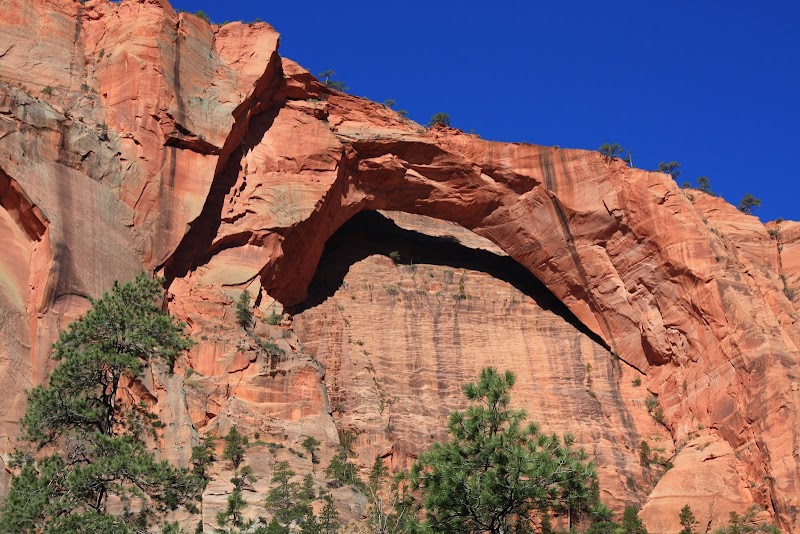
Picture this: a rugged canyon carved through red sandstone, winding narrow trails underfoot and pockets of juniper trees standing watch. The air cools as daylight fades, and a river hums just out of sight, daring you to keep pace. The canyon’s steep walls hold the heat of the day, gradually exhaling it into the cool desert night. This space belongs fiercely to nature, inviting hikers to respect its rhythms and prepare accordingly.
Typical hikes into these remote canyons range from 6 to 12 miles round trip, often with elevation gains between 800 and 1,200 feet. Expect uneven terrain—shifting sand, rocky inclines, and occasional loose gravel. Footwear with solid ankle support and a reliable grip is essential to prevent slips. Timing your hike to reach your stargazing spot at dusk helps settle your eyes into the darkness and secures a perfect vantage point.
Hydration is non-negotiable. Water sources are scarce and unpredictable, so pack at least 3 liters per person. Use hydration systems or bottles easy to access; balance weight with necessity. Layer your clothing: afternoon warmth can shift swiftly to night cold, with temperatures sometimes dipping 30 degrees after sunset.
Flashlights with red-light settings maintain dark adaptation while keeping your path visible. Invest in a reliable headlamp to keep your hands free for setting up your gear—be it a compact telescope, binoculars, or camera. Noise discipline enhances the experience—reminding yourself that you’re entering a domain where silence sharpens every sensation.
Maps, GPS devices, and offline trail apps prevent navigation errors in these lands where cell signal often fades. Share your itinerary with someone reliable before you go. The canyon’s vertical walls and twists can disorient even experienced explorers.
With practice and preparation, navigating Utah’s remote canyons becomes a rewarding dialogue with the landscape—a balance of caution and wonder. When the last light dims and stars emerge in full brilliance, the canyon’s timeless voice pulses beneath the celestial display. This is the reward for those ready to move through the land with respect and focus, and the memory will linger long after the trailhead.
Prepare, pace yourself, and embrace the canyon’s fierce presence; it’s an adventure in every step and every star.
Nearby Trips
All Adventures
Boat Charters
Water Activities
Adventures near Cedar City
Discover the unique and memorable adventures that make Cedar City special.
Frequently Asked Questions
What’s the best way to prepare for night navigation in these canyons?
Familiarize yourself with the trail during daylight, carry a reliable red-light headlamp, and use offline GPS trail maps. Sharing your itinerary before setting out is essential, as cell coverage can be unreliable.
Are water sources available along the trails?
Water sources in Utah’s remote canyons are scarce and seasonal. It’s safest to carry all your water. Some seasoned hikers carry portable filters for rare creeks, but these are often dry or low flow depending on the season.
Can beginners enjoy stargazing in these canyons?
Yes, with proper preparation. Choose shorter, easier trails and go with companions. Start timing your hike so you reach a clear open spot before dark, and practice using your headlamp and gear at home.
What wildlife should I expect to see?
Expect mule deer, coyotes, and nocturnal critters like bats. Birds of prey patrol the skies at dusk. Respecting wildlife means keeping noise low and not approaching animals.
How cold does it get at night, even in summer?
Temperatures can drop 20-30 degrees after sunset, even in summer. Pack layers to stay comfortable and prevent hypothermia during long periods of inactivity while stargazing.
Are there lesser-known spots ideal for stargazing in the area?
Yes. Canyon rims off the main trails often provide expansive views with less human activity. Areas near the Parowan Gap offer unique dark sky experiences combined with ancient petroglyphs.
Recommended Gear
Sturdy Hiking Boots
Provides traction and ankle support necessary for varied canyon terrain.
Hydration System (3+ liters)
Maintains hydration through long daylight hours and dry canyon air.
Red-Light Headlamp
Preserves night vision while lighting your path and campsite.
Layered Clothing
Allows adjustment for temperature swings between day and night.
Local Insights
Hidden Gems
- "Parowan Gap petroglyphs area"
- "Juniper-lined side canyons with quiet star views"
- "Secluded rim overlooks east of the main trail"
Wildlife
- "Mule deer"
- "Desert cottontails"
- "Ravens and red-tailed hawks"
- "Nocturnal bats"
History
"The region holds ancestral significance for Indigenous peoples like the Southern Paiute, marked by petroglyphs and artifacts found near canyon entrances. Early settlers traversed these lands, leaving faint traces of mining and homesteading."