
Navigating Streams and Steep Descents Safely in Michaux State Forest
Michaux State Forest offers invigorating hiking with its dynamic streams and steep descents that call for thoughtful navigation. This guide equips you with practical safety tips to embrace the terrain confidently while soaking in the forest’s quiet power.
Choose Footwear with Reliability
Select waterproof hiking boots or trail shoes with aggressive tread to maintain grip on wet rocks and muddy slopes throughout your hike.
Scout Stream Crossings First
Before crossing, test water depth and current speed using a trekking pole to avoid slips and unexpected falls.
Use Hiking Poles for Stability
Poles help maintain balance on uneven terrain and allow you to probe hidden obstacles in water or beneath leaf litter.
Plan for Early Starts
Begin hikes early to benefit from drier conditions on steep descents and to avoid afternoon rains that make trails slippery.
Navigating Streams and Steep Descents Safely in Michaux State Forest
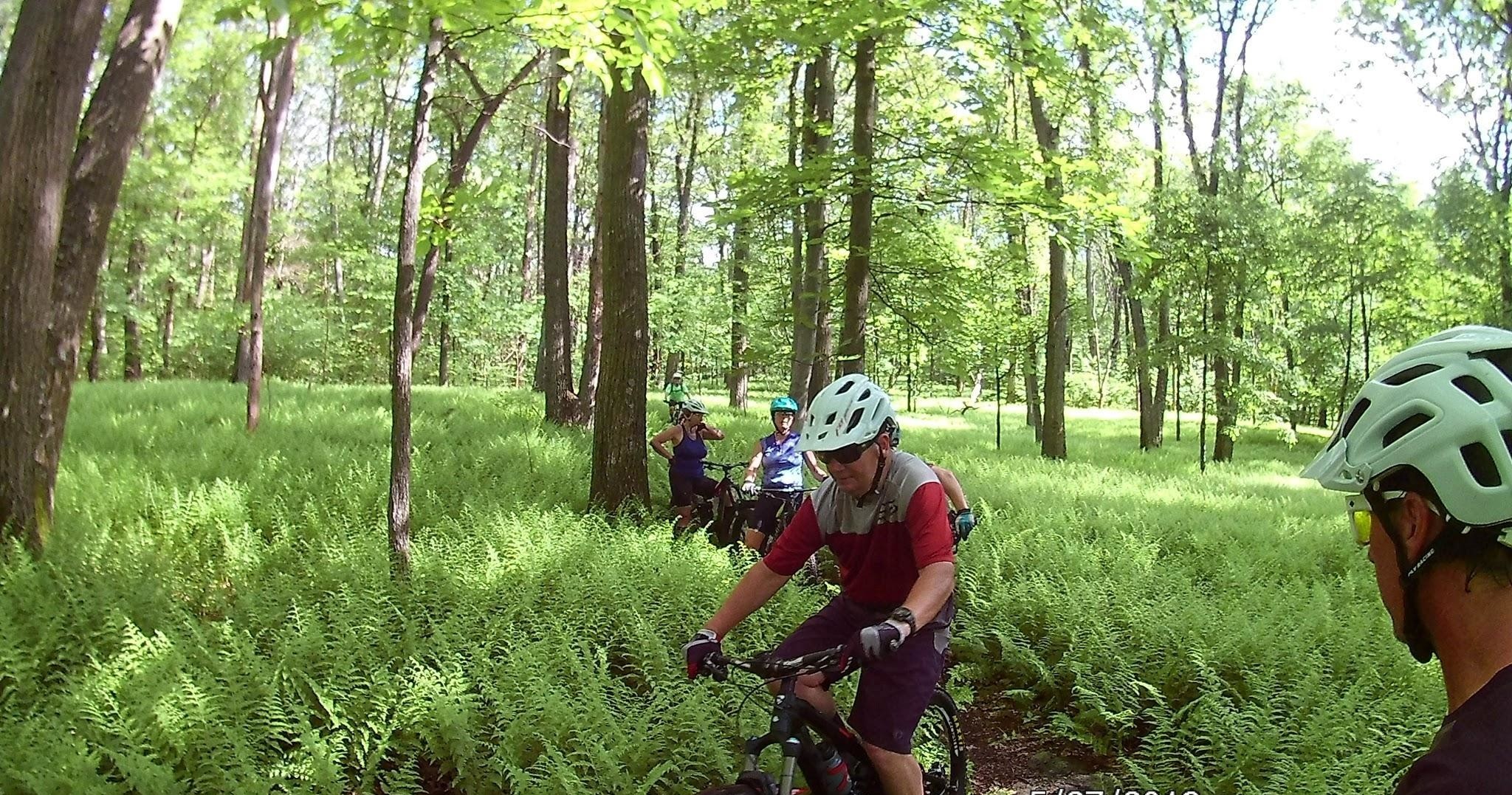
Taste of Michaux
Fabulous singletrack in the Michaux State Forest
Discover the exhilarating world of mountain biking with a private tour through Michaux State Forest near Camp Hill. Perfect for all skill levels, this guided experience blends scenic beauty with outdoor adventure, creating memories to last a lifetime.
Michaux State Forest challenges and rewards equally. Its forested trails weave through dense hardwoods, with streams that shift from gentle murmurs to assertive crossings, daring you to strategize each step carefully. Steep descents, often veiled by wet leaves and loose soil, invite respect rather than haste. Average routes span 4 to 8 miles, with elevation changes between 500 and 1,200 feet, testing your endurance and focus. The streams don’t merely run—they push forward, influencing your pace and balance as you navigate slippery rocks and unexpected drops.
Begin your hike with sturdy, grippy footwear—water-resistant boots or trail shoes with deep tread are essential. Streams fluctuate daily, especially after rain, so check recent weather to prepare for higher currents. Approach each water crossing by assessing depth and flow; avoid stepping where water rushes too fast or obscures the footing beneath. Use hiking poles for steadiness; let them probe ahead, providing valuable feedback about submerged rocks or sharp drops.
When approaching steep descents, slow down and resist the urge to rush. The earth beneath can be unpredictable—wet, loose, and unstable. Plant feet firmly, engage controlled steps, and use tree roots or rocks as natural anchors. If the trail features ropes or cables, treat them as trustworthy allies. Timing matters: start early to take advantage of drier morning conditions before afternoon humidity and potential rain soften ground surfaces.
Hydration remains critical throughout, especially as streams will not always be safe sources of drinking water. Pack enough fluids and consider filtration systems should you plan extended trips. Layer clothing for variable temperatures—the forest canopy influences sunlight and moisture levels, cooling some areas while steep descents expose you to wind and exposure.
Every step in Michaux is an interaction with a force fiercely itself—a forest shaped by nature’s cycles and human care. Respect the terrain’s rhythms, equip yourself wisely, and the adventure shifts from a challenge to a rewarding dialogue with the landscape.
Nearby Trips
All Adventures
Boat Charters
Water Activities
Adventures near Carlisle
Discover the unique and memorable adventures that make Carlisle special.
Frequently Asked Questions
What is the safest way to cross streams in Michaux State Forest?
Assess the stream’s depth and flow. Use trekking poles to test footing and cross where rocks or logs provide natural stable steps. Never cross if the current is fast or water level is above knees, as it can be dangerous.
Which trails in Michaux have the most challenging steep descents?
Trails around Pine Grove Furnace State Park and the Tuscarora Trail section feature some of the steepest descents, with loose soil and exposed roots requiring careful navigation.
When is the best time to avoid swollen streams?
Late summer and early fall generally see lower water levels after dry periods. Avoid hiking soon after heavy rains or in early spring when snowmelt raises stream volume.
Are there any local wildlife hazards to watch for near streams?
While black bears are rare but present, hikers are more likely to encounter ticks near streams and dense vegetation. Use insect repellent and check regularly during warmer months.
What makes Michaux’s streams particularly challenging compared to other forests?
Streams in Michaux can change rapidly due to local weather and terrain steepness, resulting in unpredictable currents and slippery, moss-covered rocks that require constant vigilance.
Are dogs allowed on the trails, and how should stream crossings be handled?
Dogs are permitted but should be kept on a leash. Some dogs may hesitate at fast-moving water, so carry a leash and be ready to assist them across tricky crossings.
Recommended Gear
Waterproof Hiking Boots
Protect feet from wet conditions and provide necessary traction on rocks and mud.
Trekking Poles
Aid with balance on streams and steep descents; help test footing before committing weight.
Hydration System
Carry sufficient water or filtration devices since streams may not be safe for drinking.
Traction Devices (Microspikes or Yaktrax)
Provide grip on icy or frozen trails during cold-weather excursions.
Local Insights
Hidden Gems
- "The rocky outcrop near Mt. Holly Springs offers panoramic views rarely crowded."
- "Just past the Wolf Rocks trail junction, discover an old charcoal hearth revealing Civil War-era forest industry."
Wildlife
- "Watch for white-tailed deer near the stream edges at dusk."
- "Spot hermit thrushes whose twilight calls echo along shaded descents."
History
"Michaux once served as a critical supply source during the Civil War, with charcoal production and iron furnaces integral to the local economy, leaving lasting traces on trails and landmarks."