
Preparing for a Culturally Respectful Visit to Pu’uhonua O Honaunau
Pu’uhonua O Honaunau offers a rare glimpse into Hawaii’s sacred past, balanced by a coastal hike that’s as accessible as it is meaningful. Plan your visit with respect, practical gear, and an openness to the land’s living stories to fully embrace the adventure.
Hydrate Continuously
Carry at least two liters of water per person. The sun here shows no mercy, and there’s little shade along the lava path.
Wear Durable Footwear
Choose closed-toe hiking shoes with sturdy soles to protect against sharp lava and uneven stone surfaces.
Respect Cultural Boundaries
Stay on designated trails, avoid touching or climbing on sacred structures, and maintain a quiet demeanor to honor the site’s sanctity.
Time Your Visit for Cooler Hours
Morning and late afternoon offer softer light and calmer winds, enhancing your experience and protecting you from intense midday sun.
Preparing for a Culturally Respectful Visit to Pu’uhonua O Honaunau
Historic Kona
The Safe Haven, Pu’uhonua O Honaunau
Discover Hawaii’s rich history and vibrant ecosystems on a private eco tour with Malahini Tours in Hilo. Explore cultural sites, volcanic landscapes, and lush gardens while learning about conservation efforts—all tailored just for you.
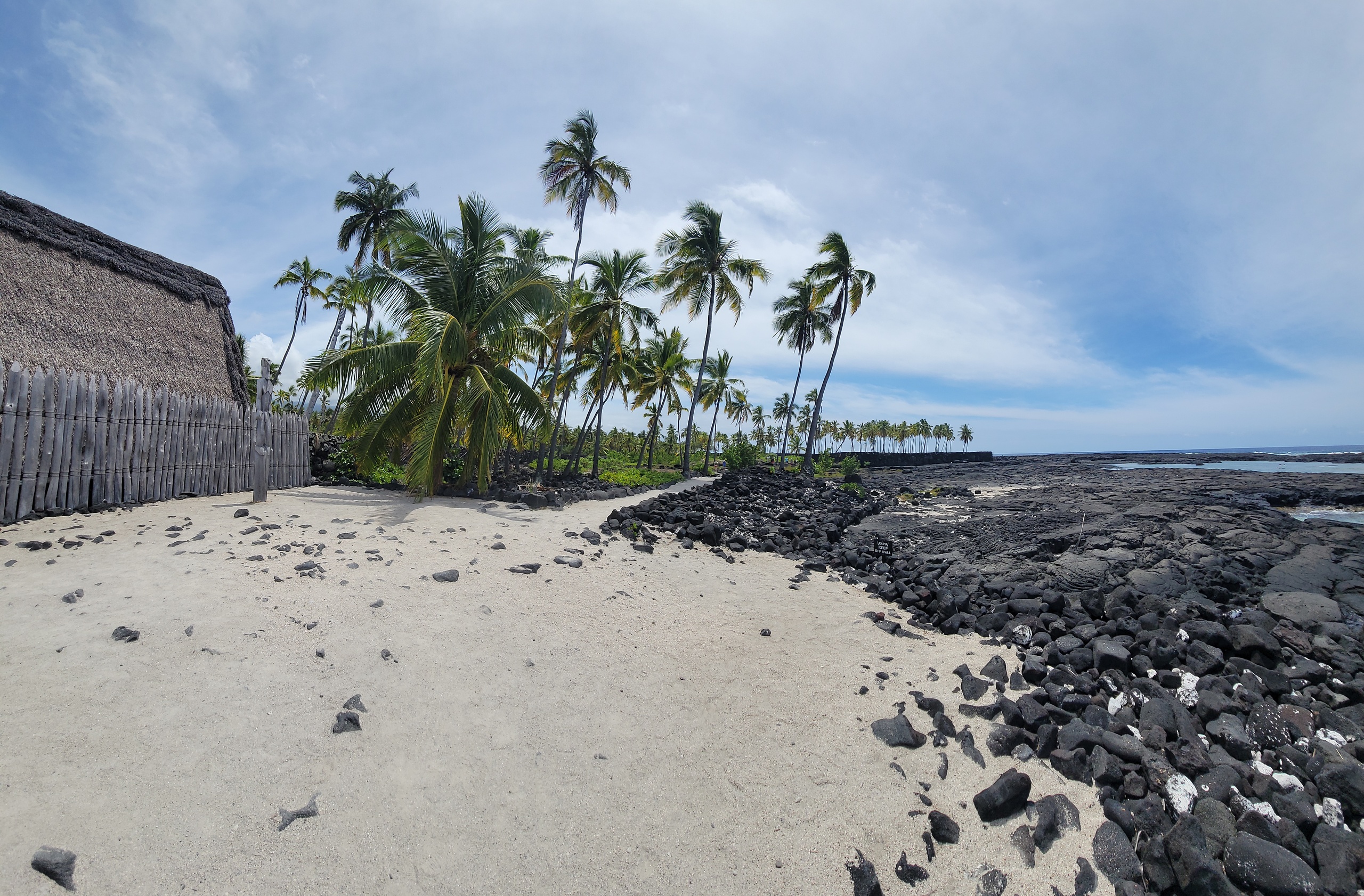
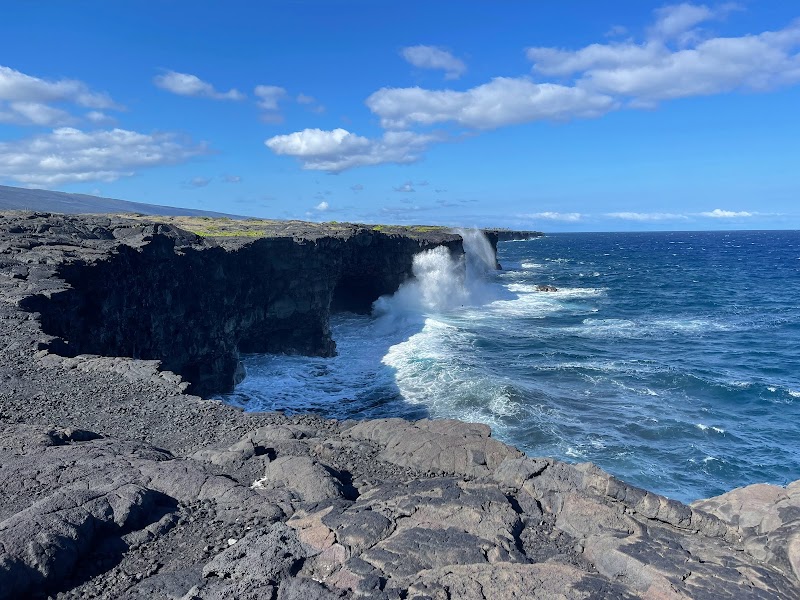
Pu’uhonua O Honaunau National Historical Park stands as a fiercely protected sanctuary on Hawaii’s Big Island, offering visitors more than just a hike—it’s an invitation to step into a world alive with tradition and a spirit of refuge. The park’s paths wind around ancient temples, royal grounds, and coastal cliffs that dare the ocean’s persistent push. Before you embark, it’s vital to prepare not only physically but mentally and culturally for an experience that demands respect.
Approaching the site, you’ll find the terrain gentle but firm, with distances around the park’s main trail system hovering at about 2 miles total and minimal elevation gain under 200 feet. The hike follows stamped lava rock, coconut palms lifting their fronds overhead, and coastal winds that carry the ocean’s salt sting—and a strong sense of history. No intense climbs are required, yet the sun demands seriousness: shade is scarce, and hydration becomes a constant companion.
Start your visit early to catch the soft morning light that animates the curved walls of the Hale o Keawe temple and the canoe platforms along the shore. Dress in sturdy shoes; the rough lava can jab at your ankles if you chance careless steps. Bring water, sunscreen, and a wide-brimmed hat to armor against the fierce tropical sun and shifting trade winds.
Cultural respect here means more than sticking to the paths. Pu’uhonua O Honaunau is a sacred place preserved to honor Hawaiian law and refuge traditions. Photograph respectfully—avoid human subjects unless invited. Touch only the ground beneath your feet, not the stones or wooden structures. Quiet your voice; the park listens.
Timing your visit counts. Midday afternoons bring heat that can sap focus and energy, while afternoons endure gusts that push off the sea. Mornings and late afternoons balance light, cooler air, and the dynamic sounds of seabirds and crashing waves. Each hour carries a new personality, a changing mood of nature fiercely itself.
Respectful preparation means blending adventure with awareness. Pu’uhonua O Honaunau demands, it does not merely offer. You meet a living history, an ancient culture still breathing through the land’s bones. If you come ready—to move steadily, keep water near, and carry quiet reverence—the journey will enrich beyond any mere hike.
Nearby Trips
All Adventures
Boat Charters
Water Activities
Adventures near Captain Cook
Discover the unique and memorable adventures that make Captain Cook special.
Frequently Asked Questions
Can I explore the entire park freely?
Visitors must stay on marked paths to protect sacred grounds and fragile ecosystems. Straying from trails can damage archaeological sites and is discouraged.
Are guided tours available to learn more about the cultural significance?
Yes, the National Park Service offers ranger-led talks and occasionally guided tours that provide in-depth insights into Hawaiian culture and the site's history.
What wildlife might I see during my visit?
Look for native seabirds like the ‘A‘a (Red-footed Booby) and frigatebirds patrolling the skies. On the lava shoreline, green sea turtles sometimes haul out to bask.
Is it appropriate to take photos inside the temple spaces?
Photography is allowed in most areas, but reverence is expected. Avoid flash photography inside sacred structures and do not photograph visitors without permission.
Are there restroom facilities and visitor centers on site?
Yes, the park has a visitor center near the entrance with restrooms, exhibits, and helpful staff to prepare you for your visit.
Can I bring food or have a picnic in the park?
Food is allowed only in designated picnic areas, not inside sacred or archaeological zones, to maintain cleanliness and respect for the site.
Recommended Gear
Hydration Pack or Water Bottle
Staying hydrated under the tropical sun is vital; bring enough water to last the full visit.
Sturdy Trail Shoes
Protect your feet from sharp lava and uneven surfaces while maintaining traction.
Sun Protection (Hat & Sunscreen)
Shield against UV rays and minimize sunburn risk during exposed stretches of the trail.
Light Rain Jacket
Useful for occasional showers or wind; layering keeps you comfortable without overheating.
Local Insights
Hidden Gems
- "The beachfront canoe platforms, where ancient Hawaiians launched traditional outrigger canoes, offer quieter views often missed by casual visitors."
- "Look for the 'kaha wai' petroglyphs subtly inscribed on lava near the Pu'uhonua boundary, a rare glimpse into pre-contact symbolism."
Wildlife
- "Native seabirds patrol these cliffs with surprising grace, while monk seals sometimes rest on nearby beaches, though sightings are rare."
- "Marine life just offshore dances with occasional dolphins and vibrant reef fish framed against the black lava."
History
"Pu’uhonua O Honaunau served as a place of refuge for anyone breaking kapu (ancient laws), shielding violators from punishment if they reached within its walls before capture."