
Capturing Kealakekua Bay: Practical Guidelines for Scenic Photography Safely
Kealakekua Bay offers some of Hawaii’s most striking coastal scenery and vibrant marine life, perfect for photographers who want adventure and beauty. Learn practical tips to hike and shoot safely, ensuring your visit captures the bay’s wild essence without risking your well-being.
Start Early to Beat the Heat
Visit in the morning to take advantage of cooler temperatures and soft natural light, which enhances your photography and keeps you comfortable on the trail.
Wear Supportive Footwear
The trail’s mix of volcanic rock and loose gravel demands sturdy shoes with strong grip to navigate safely and avoid injuries.
Stay Hydrated and Pack Water
The tropical climate and uphill sections push your body; carry at least two liters of water per person to stay hydrated throughout the hike.
Keep a Safe Distance from Cliffs
Focus on safety by maintaining your distance at cliff edges; steep drops can be slippery, and distractions from photography increase risk.
Capturing Kealakekua Bay: Practical Guidelines for Scenic Photography Safely
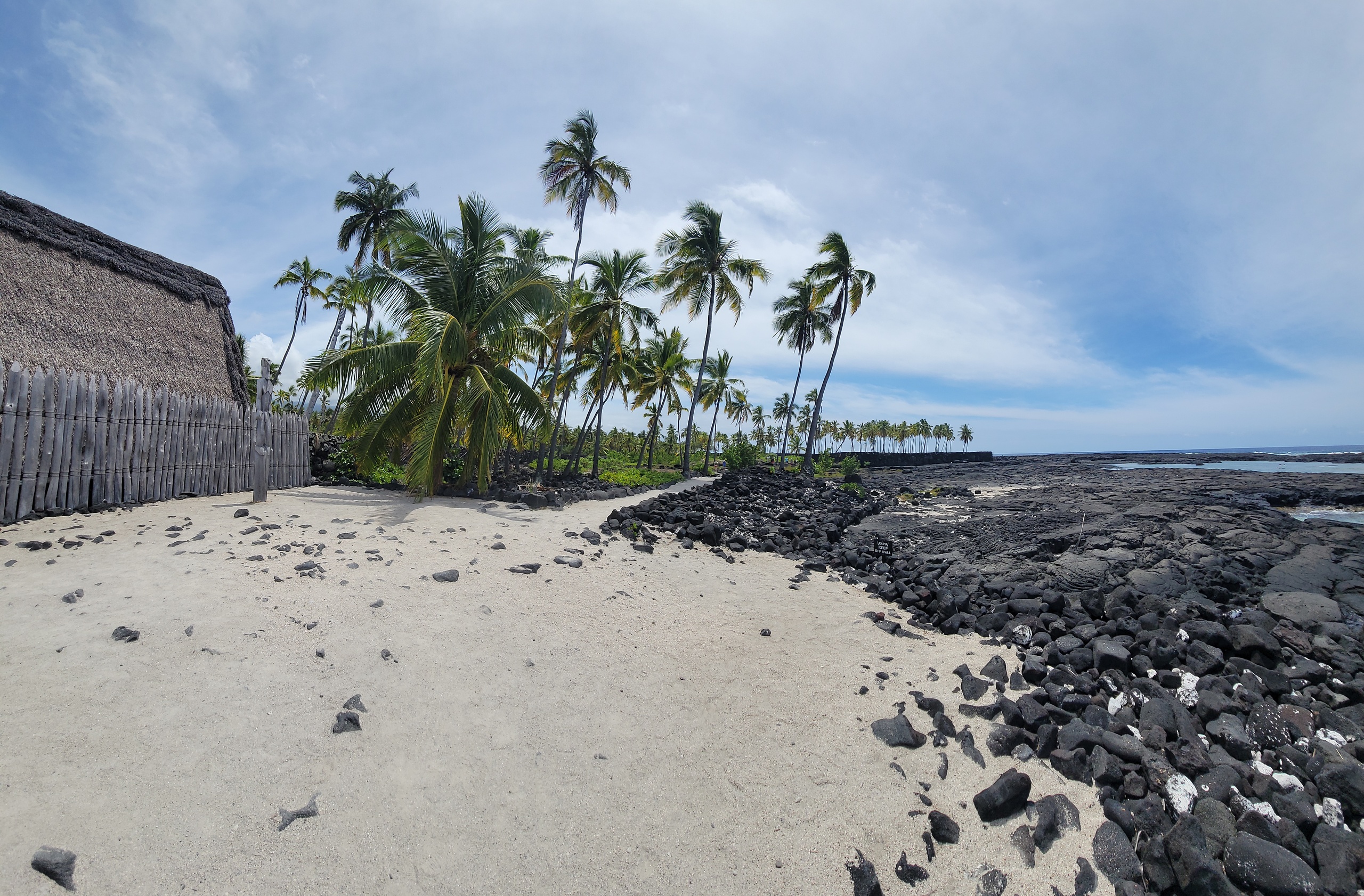
Historic Kona
The Safe Haven, Pu’uhonua O Honaunau
Discover Hawaii’s rich history and vibrant ecosystems on a private eco tour with Malahini Tours in Hilo. Explore cultural sites, volcanic landscapes, and lush gardens while learning about conservation efforts—all tailored just for you.
Kealakekua Bay demands respect. This rugged coastline and sheltered marine sanctuary on Hawaii’s Big Island offers breathtaking scenes framed by forested cliffs and vibrant blue waters pushed gently forward by ocean currents. To photograph its wild beauty safely, preparation is key.
Begin your journey on the Kealakekua Bay Trail, a moderately challenging hike of roughly 3.5 miles round trip with an elevation gain of about 800 feet. The path snakes through patches of dense native forest and open lava fields where the sun can strike fiercely. Watch your step: uneven volcanic rock and occasional loose gravel underscore the terrain’s untamed character. Sturdy hiking shoes with gripping soles are non-negotiable.
Hydration plays a crucial role—the tropical sun and steady incline push the body to work hard. Carry at least two liters of water per person. Start the hike early, ideally within the first few hours after sunrise, to avoid midday heat and capture soft morning light illuminating the bay’s crystal-clear waters.
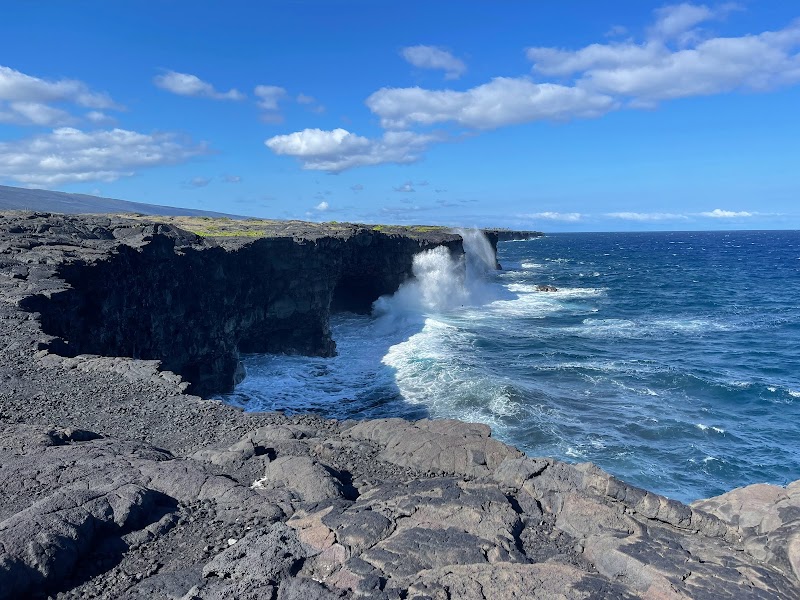
Creative patience is rewarded here. The bay itself feels alive, tides receding and advancing with deliberate intent, presenting shifting views from rocky promontories. Key spots like the bluff near the Captain Cook Monument offer panoramic prospects: ocean meeting jagged cliffs, dense canopy below dotted with native birds.
Safety guidelines to keep in mind: avoid venturing too close to cliff edges—the terrain is fiercely engaging but unforgiving, especially when focused through a camera lens. The ocean currents just beyond the shoreline dare you to get closer but remain unpredictable; swimming is reserved for the experienced and well-prepared.
Protect your gear from the salty, humid air by using weather-sealed equipment or plastic covers. Keep extra camera batteries and memory cards handy—the dynamic lighting can change rapidly from heavily shaded forest paths to bright coastal panoramas.
Conclude your session with respect for this protected area. Tread lightly, pack out what you brought, and be mindful of native flora and fauna that call this bay home. Photography at Kealakekua Bay combines the thrill of wilderness with the tangible reward of stunning, tangible images—captured without sacrificing safety or preparedness.
Nearby Trips
All Adventures
Boat Charters
Water Activities
Adventures near Captain Cook
Discover the unique and memorable adventures that make Captain Cook special.
Frequently Asked Questions
Is swimming safe in Kealakekua Bay?
Swimming is generally safe within the sheltered areas near the Captain Cook Monument, but currents can be strong. It's best left to experienced swimmers and snorkelers equipped with proper gear and local knowledge.
Are drones allowed for photography over the bay?
No. Kealakekua Bay is part of a marine sanctuary with strict regulations prohibiting drone use to protect wildlife and visitors’ privacy.
Can you bring pets on the Kealakekua Bay trail?
Pets are not recommended due to difficult terrain and sensitive wildlife habitat within the area.
Where is the best spot for sunrise photography?
The bluff near the Captain Cook Monument offers elevated views facing east, where early morning light casts warm hues over the bay’s expanse.
Are there restroom facilities at the trailhead?
Restrooms are limited. It’s advised to use facilities in Captain Cook town before heading out.
What wildlife can I expect to see while hiking?
Native birds like the Hawaii amakihi and potential sightings of spinner dolphins offshore are common; nocturnal sightings are rare except for endemic bats.
Recommended Gear
Sturdy Hiking Shoes
Provides traction on volcanic rock and prevents slipping on loose gravel.
Hydration Pack or Water Bottles
Ensures proper hydration to combat heat and hiking exertion.
Weather-Sealed Camera or Protective Cover
Protects photographic equipment from salt spray and sudden rain.
Light Layered Clothing
Allows for temperature control during cooler early mornings or windy conditions.
Local Insights
Hidden Gems
- "The seldom-photographed tide pools near the trail’s midpoint offer close encounters with colorful sea life."
- "A quiet overlook north of the Captain Cook Monument provides views of lava flows meeting the sea, away from crowds."
Wildlife
- "Hawaiian spinner dolphins that frequently surface within the bay."
- "Native seabirds such as the red-footed booby nesting on cliff faces."
History
"Kealakekua Bay is historically significant as the place where Captain James Cook first landed in 1779 and where he met his end. The monument commemorates this encounter and marks a culturally protected area."