Family-Friendly Approaches to Calistoga’s Historic Geyser Streets
Explore Calistoga’s Historic Geyser Streets with your family on an accessible trail that balances gentle terrain and geothermal wonders. This hike offers safe paths, natural intrigue, and engaging educational stops designed to captivate visitors of all ages.
Choose Closed-Toe, Grippy Footwear
Opt for sturdy hiking shoes or sneakers with good traction to handle occasional slippery wood boardwalks and dirt paths.
Bring Plenty of Water
Even moderate trails demand hydration, especially for children and during warmer months; carry at least one liter per person.
Start Early or Late
Visiting in the morning or late afternoon avoids midday heat, offers softer light for photos, and tends to be less crowded.
Encourage Respect for Nature
Remind children that geothermal features can be dangerous—stay on trails and observation platforms to preserve safety and the environment.
Family-Friendly Approaches to Calistoga’s Historic Geyser Streets

Calistoga Historic Tour
Ages 6+ • 2 Hours • No Winery Stops
Discover the rich history of Calistoga on a guided Segway tour that combines outdoor fun with cultural insights. Glide through historic landmarks and enjoy scenic views in this unique adventure.
Calistoga’s Historic Geyser Streets offer a uniquely approachable adventure for families eager to explore natural wonders with ease and excitement. These paths trace the footprint of volcanic springs and bubbling mud pots, winding through gentle terrain that welcomes visitors of all ages and fitness levels. At roughly 3 miles round-trip with an elevation gain of just 300 feet, the route balances discovery and comfort, making it ideal for casual hikers and young explorers alike.
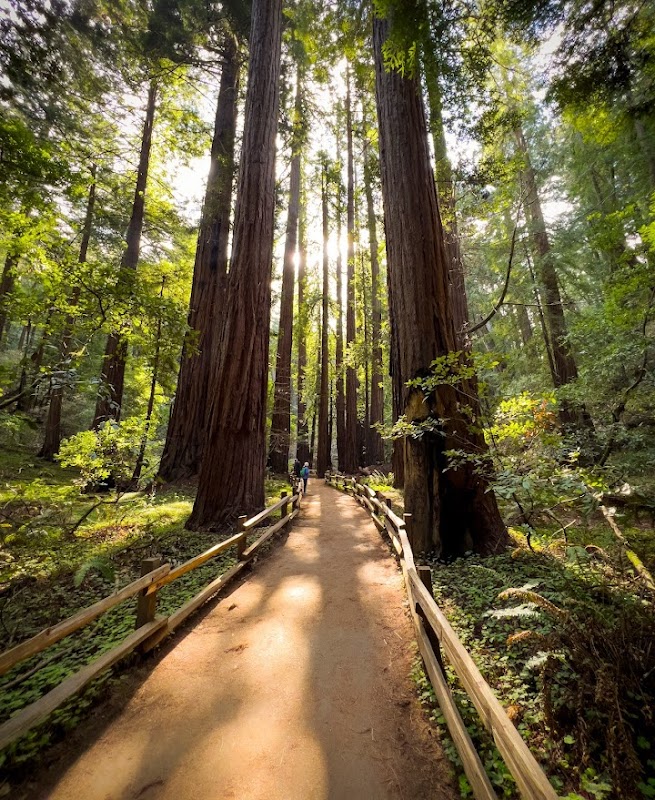
Starting from the main entrance at the base of Old Faithful Geyser, the trail follows shaded groves where towering pines lean in as if to watch your progress. The earth beneath seems alive, rising and puffing softly as steam vents breathe quietly. The moderate dirt path stays mostly level, with occasional wooden boardwalks that provide firm footing near wetter geyser activity zones—a practical design keeping safety in mind without losing the wild-edge charm.
Natural elements show off their fierce independence. A nearby creek dares you to cross its cool murmuring flow via a slender footbridge, challenging kids to step carefully yet confidently. Meanwhile, mud pots bubble with sticky persistence, releasing warm, mineral-rich scents that mingle with the fresh forest air.
Timing your visit for morning or late afternoon helps avoid midday heat and illuminates the steam columns with soft golden light, enhancing both the experience and photographic opportunities. Shoes with solid grip and breathable clothing will serve well; hydration remains key, given the mild exertion and occasional sun breaks.
For families, the route offers frequent spots to pause—picnic clearings and benches placed thoughtfully for rests or impromptu storytelling inspired by the earth’s restless behavior. Interpretation plaques along the way break down geothermal science into digestible tidbits, adding an enriching layer without turning the hike into a classroom.
Driving home, the kids can recount the geyser that erupted on cue and the stubborn mud pots that refused to idle quietly. It’s adventure with a manageable edge—perfect for kids, parents, and anyone curious about nature’s raw processes. Come prepared, stay curious, and let Calistoga’s geyser roads remind you that exploration is as much about patience and respect as it is about discovery.
Nearby Trips
All Adventures
Boat Charters
Water Activities
Adventures near Calistoga
Discover the unique and memorable adventures that make Calistoga special.
Frequently Asked Questions
Are the Historic Geyser Streets safe for young children?
Yes, the trails are designed with families in mind. Boardwalks and clearly marked paths help keep visitors safe around geothermal features. Still, close supervision is essential as some areas feature hot springs and uneven terrain.
Can strollers be used on the trails?
Strollers with large, all-terrain wheels can manage parts of the trail, especially on the boardwalk sections. However, dirt segments may be bumpy, so a sturdy jogging stroller is recommended.
What wildlife might we encounter along the trail?
Look out for small mammals like ground squirrels and chipmunks, and birds including woodpeckers and jays. Occasionally, you may spot deer calmly moving near the edges of the forest.
Is there any historical significance to the geyser area?
Calistoga’s geysers have long attracted visitors seeking natural hot springs for therapeutic use, dating back to Native American use and 19th-century settlers popularizing the area as a spa destination.
Are pets allowed on the hike?
Pets are generally allowed but must be leashed at all times to protect both geothermal features and wildlife. Beware that hot ground or steam vents could pose risks to curious animals.
Are restrooms and picnic areas available near the geyser trails?
Yes, the main visitor area has restroom facilities and picnic tables, making it easy to plan snack breaks or a leisurely lunch before or after your hike.
Recommended Gear
Hiking Shoes
Offers grip and foot protection on dirt and wooden paths, necessary year-round.
Water Bottle
Hydration is critical, especially for kids and warm seasons.
Sun Hat
Provides shade for sun-sensitive skin during hotter months.
Rain Jacket
Useful for wet conditions common in spring, keeping hikers dry and comfortable.
Local Insights
Hidden Gems
- "A quiet lookout point behind the Visitor Center offers a sweeping view of steam vents framed by forest."
- "Mud pots on the lesser-used south spur trail bubble with surprising vigor early in the day."
Wildlife
- "Western fence lizards bask on logs near sunny trail sections."
- "Occasional sightings of oak titmice and Steller’s jays add color and sound."
History
"The geyser fields were central to Calistoga’s rise as a spa town in the 1800s, leveraging natural thermal waters for healing and leisure, a tradition that continues in local resorts today."