
Photography and Conservation Tips for Capturing Tuna and Ocean Scenes Safely
Explore the thrilling world of ocean photography focused on tuna and their dynamic habitats off Cabo San Lucas. Learn practical tips to capture these lively ocean scenes while preserving the delicate marine environment, making your adventure both impactful and responsible.
Opt for Guided Tours
Choose local, eco-certified guides to increase your chances of spotting tuna and to minimize disturbance to marine ecosystems.
Use Polarized Lenses
Polarized filters reduce bothersome glare, helping you see beneath the water’s surface for clearer shots without flash or disturbance.
Practice Boat Safety
Ensure your vessel is equipped with safety markers and follow all local navigation rules to protect both yourself and wildlife.
Respect Marine Life Distance
Never chase or touch tuna; maintain a safe distance to avoid stressing the animals and altering their natural behavior.
Photography and Conservation Tips for Capturing Tuna and Ocean Scenes Safely
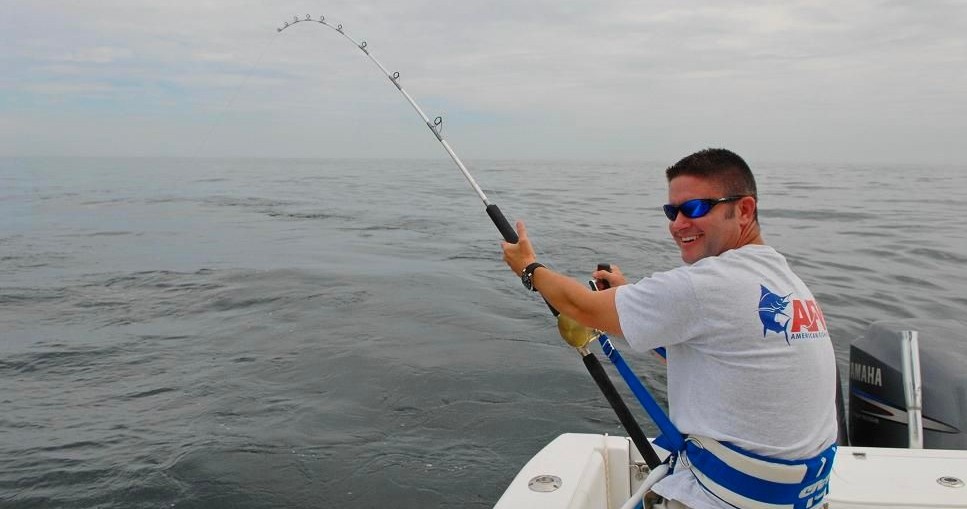
10-12 Hour Inshore Fishing - Chunking, Trolling, and Jigging Tuna
All ages • Up to 6 passengers • Less than 60 miles from shore
Join Jersey Devil Sportfishing for an exciting 10-12 hour private inshore fishing trip in Fair Haven, New Jersey. Experience expert techniques for catching tuna, all while enjoying the stunning Atlantic coast scenery.
The open ocean is both a canvas and a challenge—its endless waves and darting tuna create scenes alive with motion and life. When photographing these waters, you enter a realm fiercely itself: the currents push forward with stubborn intent, while the fish flash like quicksilver, testing how well you can keep pace. Capturing these moments requires more than a well-aimed lens; it demands an understanding of how to work with nature’s rhythms while protecting fragile marine environments.
Begin your adventure with safety and respect for the ocean’s ecological balance. Tuna swim fast and often near deep waters; locating them means using local knowledge or guided tours off the coast near Cabo San Lucas—a premier city for deep-sea fishing and ocean photography in Baja California Sur, Mexico. Use polarized lenses to cut glare and enhance underwater hues, allowing you to see and capture fish without disturbing their habitat.
Approach the water with caution—boats and diving gear should be handled carefully to avoid disrupting marine life. Use eco-friendly sunscreen, avoid plastic, and never chase or touch the tuna. Their speed and stamina are a reminder that you are a visitor in their territory, where patience wins over haste.
Shoot during early morning or late afternoon when lighting is flat enough to balance ocean reflections with fish movement. This “golden hour” brings out the ocean’s blues and silvers without harsh contrast. For wider ocean scenes, position yourself on elevated boat decks or try kayak rides in calmer bays, where waves hum with energy but aren’t overwhelming.
On land, protect coastal habitats by sticking to designated paths and disposing of trash properly. Mangroves and tide pools nearby shelter juvenile marine species—respect these quiet sentinels if your trip includes onshore photography.
Equipment-wise, waterproof your gear rigorously. Consider a compact, fast-focusing camera with good low-light performance, paired with a stable tripod for seascapes. Bright orange flags or reflective markers on boats ensure visibility to fishing vessels, adding a layer of safety in busy waters.
Your goal isn’t just stunning shots—it’s preserving the ocean’s fierce, wild character. The tuna’s shimmer and the ocean’s hum remind us they exist beyond our frames. Capture them carefully, learn from the light and tide, and your photos will hold honor for a living, breathing sea.
Nearby Trips
All Adventures
Boat Charters
Water Activities
Adventures near Cabo San Lucas
Discover the unique and memorable adventures that make Cabo San Lucas special.
Frequently Asked Questions
What is the best time of day to photograph tuna and ocean scenes?
Early morning and late afternoon provide soft, warm light minimizing reflections and enhancing water colors. These times also coincide with increased tuna surface activity.
How close can I safely approach tuna for photography?
Maintain at least 10-15 feet distance. Tuna are fast swimmers and sensitive to disturbance, so close proximity can alter their behavior and stress the animals.
Are there eco-friendly ways to conduct boat trips for photography?
Yes, seek environmentally certified operators that follow low-impact guidelines, including reduced engine noise, no waste discharge, and adherence to no-go zones during breeding seasons.
What wildlife other than tuna might I encounter during these ocean photography trips?
Expect to see dolphins, sea turtles, seabirds like pelicans and frigatebirds, and occasionally whales during migration seasons.
How do currents affect photo opportunities?
Currents can push boats and influence where and how tuna school. Understanding local tide charts and working with guides can help you position for the best shots.
Can I snorkel or dive while photographing tuna?
While possible in some areas, snorkeling or diving among fast-moving tuna is challenging. If you do, use minimal gear, avoid casting shadows, and stay calm to avoid startling fish.
Recommended Gear
Polarized Sunglasses
Reduces sun glare reflecting off the ocean surface to improve visibility and reduce eye strain.
Waterproof Camera Housing
Protects photographic equipment from saltwater spray and potential submersion.
Light Windbreaker
Keeps you comfortable against ocean breezes without overheating during variable temperatures.
Eco-Friendly Sunscreen
Protects skin while avoiding chemicals harmful to marine life and coral reefs.
Local Insights
Hidden Gems
- "Punta Lobos viewpoint for panoramic ocean vistas"
- "Los Arcos Marine Park with unique rock formations and protected waters"
Wildlife
- "Yellowfin and Bluefin tuna"
- "Common dolphins"
- "Brown pelicans"
- "Sea turtles"
History
"Cabo San Lucas has been a traditional fishing hub for centuries, with indigenous communities and later explorers relying on the ocean’s bounty. Sustainable fishing practices have only become a focus in recent decades."