Mastering Seasonal Shifts: Fly Fishing Colorado’s Scenic Waters With Confidence
Colorado’s rivers challenge fly fishers year-round, each season unveiling unique conditions and opportunities. This guide equips anglers with practical advice to navigate dynamic waters confidently, from spring’s rushing melts to winter’s quiet pools.
Check Water Levels Before Heading Out
Spring snowmelt can swell rivers rapidly, making some areas unsafe for wading. Use local resources or apps for current stream flow levels.
Dress in Layers for Variable Weather
Colorado’s mountain weather can shift quickly; layering helps manage temperature changes throughout the day.
Use Non-Slip Wading Boots
Trails near streams have slick rocks and muddy banks, especially after rain or snowmelt. Proper footwear will keep footing secure.
Hydrate and Protect Against Sun
High altitude exposure intensifies sun and dehydration risk. Carry enough water and use sunscreen during summer and fall outings.
Mastering Seasonal Shifts: Fly Fishing Colorado’s Scenic Waters With Confidence

The Hook & Learn
All Ages! • 1-6 Hours • Up to 4 People
Discover personalized fly fishing casting lessons at Kindred Anglers LLC in Dacono, Colorado. Perfect for all skill levels, these sessions connect you with nature and masterful instruction amid scenic waterways.
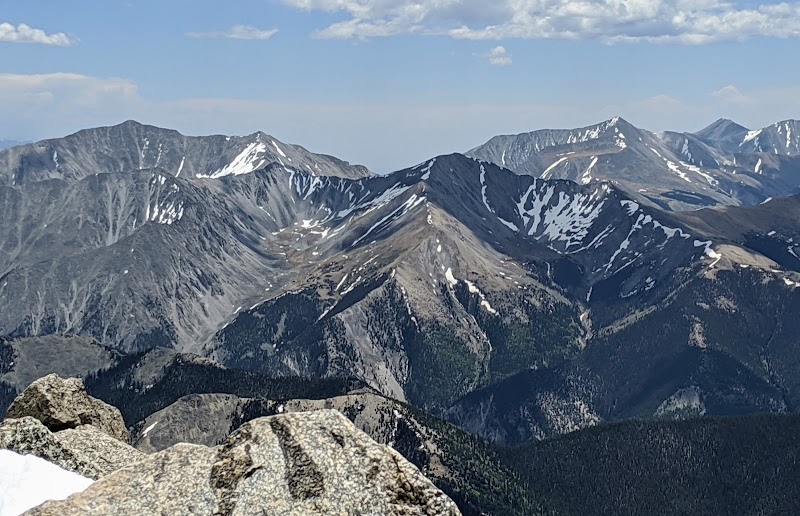
Colorado’s waterways challenge and reward fly fishers throughout the year, each season bringing its own personality to the sport. Imagine standing at the bank of the Arkansas River near Buena Vista, the current pushing forward with patient insistence, the alpine air crisp and sharp as mountain pine whispers around you. Here, the river dares you to understand its moods: placid in late summer, wild in spring, and sometimes unforgiving beneath winter’s frost. Navigating these seasonal shifts requires more than enthusiasm—it demands practical knowledge and readiness.
Spring introduces a surge of snowmelt that swells rivers like the Fryingpan and Roaring Fork. Streams race over rocky beds, forcing anglers to gauge currents carefully and choose sturdy wading boots with good grip. Keep your gear light; unpredictable weather can swing from sunshine to wind-driven rain. Fish are feeding aggressively but often in calmer side pockets and pools. Expect to hike moderate distances—up to 6 miles with 800 feet of elevation gain—to reach these less pressured spots, where undercut banks and shaded runs shelter trout.
Summer brings high noon sun and lower water levels. Streams slow and warm, pushing trout into deeper shadows beneath overhanging willows and submerged logs. Early mornings or late evenings offer the best fishing windows before the water heats, lentic pools reflecting the buzzing life of dragonflies. Stay hydrated, pack sun protection, and wear breathable layers as temperatures can spike above 80°F. Terrain tends to be drier and dustier, with stretches of forested paths alongside the river that offer brief respite from sunlight.
Fall turns the landscape golden, and rivers retreat to a steady pulse. Cooler days and nights tighten fly hatch windows but bring more reliable fishing as trout bulk up for winter. Beaver ponds and alpine lakes off the main rivers become accessible with stable weather, presenting quieter, less trafficked water. Trails range from easy riverwalks to steeper climbs of up to 1,200 feet elevation, rewarding anglers with views of red and yellow aspens standing firmly against the sky. Bring layers and anticipate chilly mornings; slick leaves can turn trails slippery.
Winter fly fishing along Colorado’s lower elevation rivers requires preparation for icy banks and cold fingers. Some waters remain open and productive, especially near hot springs or in lower valleys such as around Salida. Waders with insulation and waterproof gloves become essential, and shorter daylight hours dictate strict timing. Still, the thrill of landing a trout beneath snow-dusted cottonwoods, surrounded by silence, rewards the patient angler.
Each season in Colorado’s scenic waters offers a distinct dance between angler and environment—a push and pull with the streams that never cease to test and inspire. Preparation is the angler’s strongest ally, turning a good day on the river into a memorable one.
Nearby Trips
All Adventures
Boat Charters
Water Activities
Adventures near Buena Vista
Discover the unique and memorable adventures that make Buena Vista special.
Frequently Asked Questions
When is the best time of day for fly fishing in Colorado’s mountain rivers?
Early morning and late evening are generally most productive, especially in summer when water temperatures rise midday. Fish move into cooler, shaded areas during these low-light periods, increasing your chances of landing trout.
Are there any lesser-known spots near Buena Vista for fly fishing?
Yes, the nearby Browns Canyon area offers more secluded streams with fewer anglers. Access trails provide quieter waters where trout feed in pools formed by beaver dams, making these spots ideal for patient fishers willing to hike moderately.
What local wildlife might you encounter while fly fishing in these waters?
Expect to see river otters darting in the shallows, bald eagles riding thermal drafts overhead, and mule deer grazing near riverbanks at dawn or dusk. Watch quietly, as these animals reflect the health and vitality of the aquatic ecosystem.
How does snowmelt affect fishing conditions in spring?
Snowmelt raises water levels and speeds currents, making wading more challenging. Fish often retreat to slower side channels and pools during this time, so learning to identify these calmer pockets is crucial for a successful outing.
What environmental considerations should anglers keep in mind?
Practice catch and release with barbless hooks to minimize harm, stay on established trails to protect fragile riparian vegetation, and avoid disturbing spawning areas during late summer and fall to support trout reproduction.
Are guided fly fishing tours recommended for beginners?
Absolutely. Local guides teach the nuances of Colorado’s rivers, offer gear rentals, and provide insights on insect hatches, casting techniques, and fish behavior, dramatically improving your experience and safety.
Recommended Gear
Waterproof Wading Boots
Provides traction and foot protection on slick, rocky streambeds regardless of season.
Layered Clothing
Allows rapid adaptation to temperature and weather changes common in mountainous fishing spots.
Sun Protection (Hat & Sunscreen)
Protects against intense high-altitude ultraviolet rays during peak daylight hours.
Insulated Gloves
Keeps hands functional and warm during cold-weather fly fishing.
Local Insights
Hidden Gems
- "Browns Canyon National Monument waters – quieter streams with diverse fishing spots"
- "The confluence of the Chalk Creek and Arkansas River – rich aquatic habitat"
- "Beaver ponds along the South Platte tributaries with excellent dry fly fishing"
Wildlife
- "River otters in slower pools"
- "Bald eagles and osprey hunting along river corridors"
- "Mule deer and elk frequenting watersides during early morning"
History
"Colorado’s rivers were once critical pathways for Native American tribes and later settlers. The Arkansas River basin near Buena Vista has a rich heritage tied to mining and early Western expansion influencing fishing culture."