Capturing the Thrill: Photography Tips for Mountain Whitewater Kayaking in Colorado's Rocky Mountains
Colorado's Rocky Mountains offer whitewater kayaking that challenges both paddler and photographer alike. With roaring rivers, rugged landscapes, and unpredictable currents, capturing this adventure calls for skill, timing, and respect for nature’s fierce pace. Learn practical tips to prepare your gear and shoot unforgettable moments on the water.
Scout Safe Shooting Spots
Look for stable riverbanks or trails parallel to the kayak routes to safely photograph without disturbing the water flow or risking footing.
Use Fast Shutter Speeds
Set your camera to 1/1000 sec or faster to freeze rapid water splashes and kayaker movements for crisp dynamic photos.
Protect Your Gear from Water
Invest in waterproof housing or sealed camera bags and keep microfiber cloths ready to wipe lens spray promptly.
Wear Non-Slip Footwear
Secure footing on wet rocks and uneven shorelines is critical; use shoes with strong grip and ankle support.
Capturing the Thrill: Photography Tips for Mountain Whitewater Kayaking in Colorado's Rocky Mountains

The Numbers - Half Day
Class IV • Ages 16+
Looking for a thrilling half-day adventure on the Arkansas River? Discover The Numbers with Monumental Expeditions—a perfect blend of excitement, scenic beauty, and outdoor fun in Cañon City, Colorado.
The roaring rivers of Colorado’s Rocky Mountains challenge and charm whitewater kayakers with swift currents that carve through granite, daring every paddler to match their pace. These mountain streams aren’t just a test of skill—they're a living scene, constantly shifting, speeding, splashing, and shimmering under alpine sun. For those who want to capture the pulse of adventure through a lens, whitewater kayaking offers unparalleled opportunities for dynamic storytelling.
Start by planning your shot list around the river’s character. The Arkansas and Clear Creek rivers near Buena Vista offer accessible rapids that invite photographers to nestle into vantage points with rugged backdrops of pine and rock cliffs. Position yourself on stable riverbanks or hiking trails that run parallel—these places provide strong, safe footing and angles for wide shots that frame kayakers battling roar and spray.
Timing is crucial. Early mornings and late afternoons deliver softer, directional light that sculpts waves and splashes with depth and texture—while midday's harsh sun risks flattening water's movement into glare. Use fast shutter speeds (1/1000 sec or faster) to freeze action, but balance it with wider apertures and higher ISOs to maintain exposure in shadowed canyon sections.
Waterproof gear is a must. Opt for protective camera housing or sealed bags, and always have a microfiber cloth handy to clear mist off your lens. Kayaking rivers swiftly change moods with weather and water flow, so embrace adaptability. Often, the best shots come from moments of stillness—quiet pools above rapids catching the sky’s reflection, or spray caught like crystals shimmering from a paddle’s stroke.
Practice patience and respect for the river’s power; it moves fiercely and unpredictably. Photographers should coordinate with kayakers to predict lines and key moves—knowing when they’ll negotiate a drop or ride a wave helps anticipate dramatic frames.
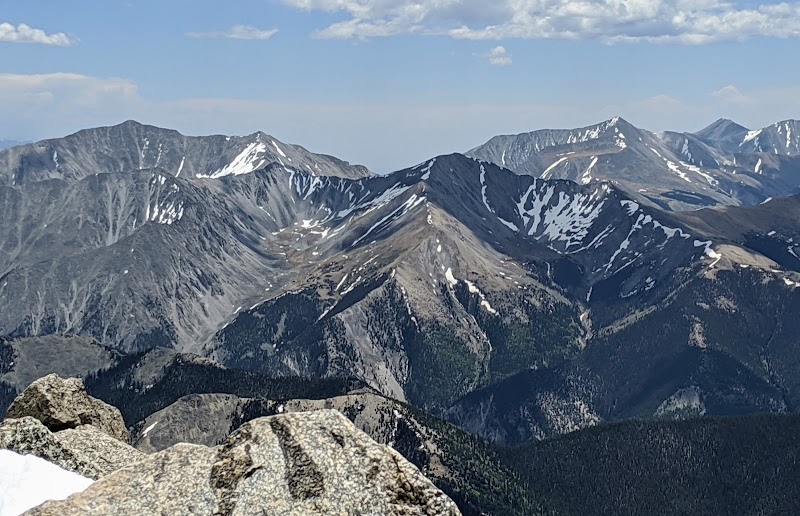
Beyond action, use the surrounding landscape to tell the full story. Towering evergreens, snow-capped peaks, and textured boulders create a raw theater for your images. Layer shots with foreground elements like twisted roots or wildflowers to add scale and invite the viewer deeper into the scene.
Preparation extends beyond camera gear. Footwear with good grip is essential for slippery, uneven terrain along riverbanks, while hydration packs keep you fueled and ready for extended shoots. Check flows in advance—spring's heavy runoff delivers peak whitewater intensity but can also increase hazards.
Capturing mountain whitewater kayaking in Colorado’s Rockies means engaging with a world that’s fiercely itself—wild, untamed, but also inviting those prepared to chase the thrill and preserve it through their lens. With practical planning and a keen eye, the camera becomes a vessel not only of images but of the river’s relentless spirit.
Nearby Trips
All Adventures
Boat Charters
Water Activities
Adventures near Buena Vista
Discover the unique and memorable adventures that make Buena Vista special.
Frequently Asked Questions
Where are the safest spots to photograph kayakers on Colorado's mountain rivers?
The riverbanks near extended pools and calm eddies offer safer and more stable shooting locations. Avoid standing directly at the edge of fast-moving water or steep drop-offs. Snaking hiking trails along Clear Creek and sections of the Arkansas River provide natural observation points.
What camera settings work best for capturing fast-moving whitewater action?
Use high shutter speeds of at least 1/1000 second to freeze motion. Combine with a wide aperture (f/2.8 to f/5.6) for better light intake and moderately high ISO settings to maintain exposure in shaded areas. Burst mode helps capture sequences of rapid action.
Are there local regulations or permits needed for photographing whitewater kayakers?
Generally, public access areas along Colorado rivers do not require special permits for photography, but certain private lands or protected areas might. It’s wise to check local regulations in Buena Vista or BLM land offices before setting out.
What wildlife might I encounter during these shoots?
Keep an eye out for river otters, American dippers skimming the water, and occasionally bald eagles or osprey hunting overhead. Early mornings improve wildlife sighting chances before kayakers crowd the rivers.
How can I protect my gear against moisture and impact during shoots?
Use waterproof housings, dry bags, and wrist straps for gear security. Carry microfiber cloths to keep lenses clear from spray. Also consider silicone lens protectors or UV filters to protect glass from debris.
What’s the best way to prepare physically for day-long photography sessions in rugged river environments?
Conditioning for endurance—especially hiking uphill with gear—is key. Core and leg strength exercises improve balance when navigating rocks. Staying hydrated and packing compact, efficient gear reduces fatigue and helps maintain focus.
Recommended Gear
Waterproof Camera Housing
Protects camera equipment from splashes and accidental drops into the water.
Non-slip Hiking Shoes
Ensures secure footing on wet, uneven rocks and riverbanks.
Polarizing Lens Filter
Reduces water glare and enhances color saturation when shooting under bright sunlight.
Hydration Pack
Keeps you hydrated during long shoots in rugged terrain without needing to stop frequently.
Local Insights
Hidden Gems
- "The hanging valley viewpoint above the upper Arkansas River reveals dramatic drops perfect for wide mountain shots."
- "Rainbow Rapid on Clear Creek is a quieter spot favored by local paddlers, offering intimate action views."
Wildlife
- "River otters are frequent in the less trafficked stretches and provide dynamic subjects if observed quietly."
- "American dippers, small birds that dive underwater to forage, add unique wildlife interest near riffles."
History
"Buena Vista once served as a mining and railroad hub, with rivers vital for transport and prospecting. Some old mining artifacts remain near river access points, blending human story with nature’s force."