Mastering Timing to Spot Seasonal Wildlife at Atchafalaya Basin
The Atchafalaya Basin offers a rare chance to witness Louisiana’s rich wildlife pulsing through changing seasons. Knowing when to visit helps hikers and paddlers catch the basin's most vivid animal interactions and navigate its ever-shifting landscape with confidence.
Visit Early for Best Wildlife Viewing
Wildlife is most active at dawn and dusk. Plan your hikes around these windows to catch glimpses of elusive mammals and birds.
Prepare for Muddy and Uneven Terrain
Trails often flood or become muddy especially in spring and summer. Wear waterproof boots with good traction to stay safe and comfortable.
Carry Adequate Hydration
Humidity and heat can be intense from late spring through summer. Bring at least 2 liters of water and electrolytes to maintain energy and focus.
Use Insect Repellent Year-Round
Mosquitoes and biting insects thrive in the wetlands—protect your skin especially in warmer seasons to avoid distractions and discomfort.
Mastering Timing to Spot Seasonal Wildlife at Atchafalaya Basin

Private Traditional Barge Tour
Up to 22 People • 90 Minutes • See our nations largest freshwater swamp!
Discover the wild beauty of Louisiana’s Atchafalaya Basin on a private barge tour that offers up-close wildlife sightings and deep ecological insights. Perfect for a close-knit experience, this trip invites you into the heart of America’s largest swamp.
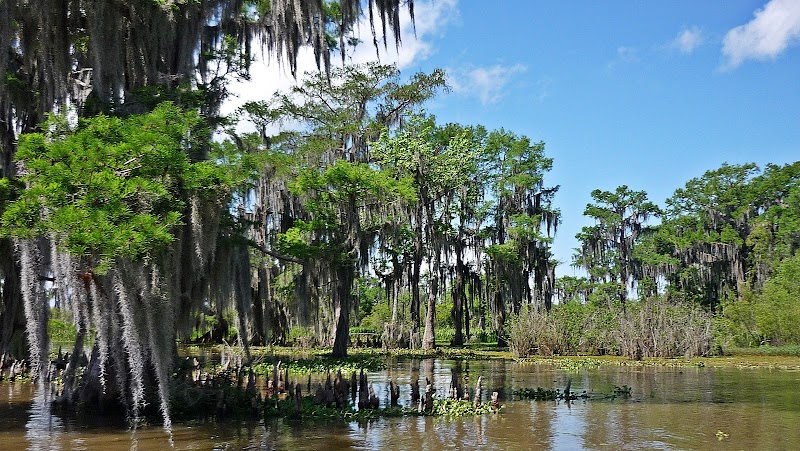
Atchafalaya Basin, Louisiana’s largest wetland, is a living, breathing force that pulses with wildlife rhythms, inviting adventurers to sync their visits with nature’s cycles. Timing your exploration here isn’t just helpful—it’s the key to unlocking encounters with the basin’s seasonal creatures that seem to have their own calendar.
The basin spreads across roughly 1.4 million acres, where water levels rise and fall, and wildlife follows nature’s clock with unwavering precision. Understanding how the seasons shift habitats and animal behavior shapes every wildlife-hunting hike or paddle trip.
Spring (March through May) pushes new life to the forefront. Migratory birds return, darting through cypress knees and old-growth tupelos that dare you deeper into the swamp’s shady paths. This is prime time for waterfowl spotting—ducks, herons, and egrets parade in vibrant numbers. Expect muddy trails as rainfall is frequent but the humidity is still manageable. Early mornings bring dew-soaked air and the occasional owl haunting the canopy.
Summer (June through August) tests your stamina with heat pressing down and waters rising. Alligators assert their presence, sunning themselves in patches of open water or slipping silently beneath lily pads. This is when venomous snakes are most active along trails, demanding alertness and sturdy boots. The heavy humidity pushes adventures to early dawn or late dusk hours. Bring hydration gear capable of holding multiple liters.
Fall (September through November) tones down the heat and opens a window for spotting mammals like otters and deer. The slightly lower water levels expose mudflats where wading birds forage. This season also triggers fish migrations, enticing piscivorous birds and raptors to hunt overhead. Trails dry out, making it the best time for longer hikes—expect average loops around 3 to 6 miles on soft, sometimes uneven ground with minimal elevation changes.
Winter (December through February) quiets the basin, with cooler temperatures that slow the buzz of insects and shift animal activity patterns. Amphibians retreat, but raptors like hawks patrol exposed tree limbs. Some species go dormant, giving you a chance to experience the basin’s stark, skeletal beauty. Dress in layers: mornings can be chilly while afternoons warm suddenly.
Effective timing combines an understanding of weather patterns, animal behavior, and your own pace. Early mornings reward sharp-eyed hikers as fog lifts and animals begin their daily routines. Midday can mean silence, while dusk introduces a new cast of creatures preparing for night. Treat the basin less like a park to conquer and more like a force to read—a living landscape fiercely itself.
Proper footwear is non-negotiable: waterproof boots with good grip handle the basin’s soggy, root-laced trails. Hydration packs and insect repellent are essentials, especially in warmer months. Pack light layers to adjust swiftly as the swamp’s mood changes from damp chill to sticky warmth.
To get the most out of Atchafalaya Basin’s seasonal wildlife spectacle, align your visit not only with the calendar but with the basin’s flowing pulse, respecting its unyielding cycles. In return, you’ll find moments suspended between water and sky, where the wild heart of Louisiana beats loud and clear.
Nearby Trips
All Adventures
Boat Charters
Water Activities
Adventures near Breaux Bridge
Discover the unique and memorable adventures that make Breaux Bridge special.
Frequently Asked Questions
What wildlife are you most likely to see in Atchafalaya Basin?
Expect to spot alligators lounging on the water’s edge, a wide variety of waterfowl like herons and egrets, year-round mammals such as river otters and white-tailed deer, and seasonal migrants including songbirds in spring and raptors in fall.
Are there marked trails, or is navigation difficult?
While some paths and boardwalks exist, much of the basin’s terrain is wild and shifting; hikers should carry maps or GPS devices and be comfortable navigating soft, uneven surfaces and water crossings.
When is the mosquito season at Atchafalaya Basin?
Mosquito activity peaks from late spring through summer into early fall, especially after heavy rains or flooding—preparedness with repellents and protective clothing is essential.
Is it safe to hike alone in the basin?
Solo hiking is possible for experienced adventurers who understand wetland risks, but it’s recommended to hike with a partner due to wildlife encounters and remote areas with limited cell service.
What are the best spots for wildlife photography?
Boardwalks near the Jellystone Trail and Blue Willow Trail provide accessible vantage points. Early morning or late afternoon lighting near open water or elevated observation platforms enhance photo opportunities.
How does flooding affect access to trails?
Seasonal flooding can submerge low-lying trails, sometimes making sections impassable. Checking recent weather and water-level reports prior to a visit helps avoid surprises.
Recommended Gear
Waterproof Hiking Boots
Handles the basin’s wet and muddy trails, offering grip on slippery roots and protection against water and snake bites.
Hydration Pack
Allows easy access to water, critical during hot, humid weather to prevent dehydration.
Insect Repellent
Keeps mosquitoes and other biting insects at bay, improving comfort and safety.
Lightweight Layered Clothing
Adjustable layers accommodate fluctuating temperatures from chilly mornings to warm afternoons.
Local Insights
Hidden Gems
- "The Boothville Complex: A less-visited area with quiet waterways and abundant birdlife."
- "Walking submerged cypress knee thickets during low water reveals unique ecosystems."
- "Sunset views from the Morgan City overlook provide vivid swamp panoramas."
Wildlife
- "Notable species include Louisiana black bear in remote parts, Prothonotary warblers in spring, and river otters year-round."
- "Listen for the haunting call of barred owls in early morning mist."
History
"The basin has long been home to Cajun and Creole communities whose cultural practices shape the landscape. Historic logging and trapping sites offer insight into human interaction with this fierce wetland."