Navigating the Skies: Weather Conditions Critical to Hot Air Balloon Safety Over Boulder, Colorado
Flying a hot air balloon over Boulder’s foothills offers breathtaking views shaped by rugged mountain winds and shifting skies. Understanding local weather patterns is essential to ensure safety and make the most of this unique adventure.
Fly During Early Morning Calm
Schedule balloon flights shortly after sunrise when winds are typically gentler and air is more stable, reducing turbulence risk.
Check Local Wind Speeds
Ensure wind speeds are below 8 mph before flight; higher winds increase the risk of dangerous drifts and turbulence near mountainous terrain.
Dress in Layers
Temperatures can drop sharply during early hours and at altitude; layered clothing keeps you prepared for sudden chills or warm bursts.
Book with Experienced Operators
Choose balloon companies that rigorously monitor Boulder’s complex weather and prioritize safety over thrill to minimize risks.
Navigating the Skies: Weather Conditions Critical to Hot Air Balloon Safety Over Boulder, Colorado

Life Cycle Balloon Adventures - Hot Air Balloon Ride
Minimum of two passengers to book
Ascend into Colorado’s skies with a private hot air balloon ride from Life Cycle Balloon Adventures. Revel in stunning views, enjoy a champagne toast, and create unforgettable memories—perfect for celebrating love or marking a special occasion.
Boulder’s high-altitude embrace offers balloonists a tantalizing dance with the skies—a realm where air currents speak with the mountain winds and the sun’s warmth stirs the morning thermals. But flying a hot air balloon here is a discipline of reading nature’s signals as much as it is about soaring views. Weather dictates the rhythm of flight, turning the serene blue canvas into a dynamic stage where safety and adventure meet.
The foothills of the Rockies shape Boulder’s weather in specific ways: shifting winds, temperature swings, and variable cloud formations challenge pilots and dictate launch windows. Early mornings hold the key. Before the sun commands the air into unpredictable rises, the cold air hugs the ground, taming gusts and creating stable lift. This calm spells safer ascents and smooth glides. As the day advances, thermal currents—nature’s invisible push—gain strength, often jolting the balloon and complicating control.
Wind is the most critical partner in flight. A gentle breeze, ideally under 8 miles per hour, guides the balloon gently along, pushing it toward predictable landing spots across Boulder’s open fields or near its foothills. But stronger winds risk abrupt shifts, pushing the balloon dangerously close to jagged ridges, trees, or power lines. Balloon pilots monitor weather data rigorously and pause flights when gusts pick up or when gust fronts approach from the west.
Temperature gradients tell their own story. Rapid warming can trigger turbulence, while sudden drops after sunset can drive fog—a ghostly veil that blinds vision and muffles familiar landmarks. Cloud cover demands attention; thick clouds block vital visual cues necessary for navigation and emergency procedures.
Humidity and precipitation are natural deal-breakers. Even a light drizzle can weigh down the balloon’s fabric or cool the air inside, undermining lift. Rocky Mountain air tends to be dry, but unexpected showers can sneak in with front systems marching down the Continental Divide. Accurate local forecasts and satellite scans become essential tools for pilots.
Boulder’s diverse weather is fiercely itself—simultaneously inviting and exacting respect. Balloon operators here factor in these elements meticulously, ready to adjust or cancel flights rather than risk recklessness. For adventurers planning their flight, understanding Boulder’s weather canvas helps: arrive early for cold calm hours, choose experienced operators who prioritize weather vigilance, and come equipped with layered clothing to meet sudden drops or bursts in temperature.
In essence, flying over Boulder is an engagement with forces both beautiful and exacting. It’s an invitation to ride air currents shaped by mountains that breathe their own moods. This is flight not as mere escape but as a conversation with the wind, where safety hinges on listening carefully to every meteorological whisper before lifting off.
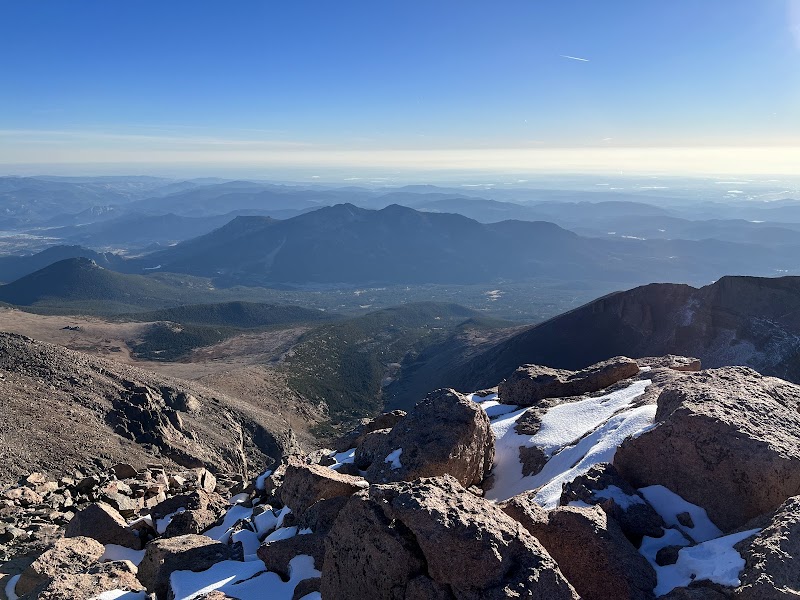
Nearby Trips
All Adventures
Boat Charters
Water Activities
Adventures near Boulder
Discover the unique and memorable adventures that make Boulder special.
Frequently Asked Questions
Why is early morning the best time for ballooning in Boulder?
Early mornings generally feature calm winds and stable air, minimizing the turbulence that afternoon thermals often bring. Cooler ground temperatures also reduce sudden air currents shaped by Boulder’s foothills.
How do changing winds around the Rocky Mountains affect balloon safety?
Mountain winds often shift direction and intensity quickly, creating unpredictable gusts and eddies near ridges and valleys. This demands close monitoring and precise timing for safe launches and landings.
What critical weather signs do pilots watch for before flight?
Pilots focus on wind speed and direction, cloud cover, visibility, and temperature gradients. Sudden rises in wind speed or the inward creep of fog trigger cancellations or delays.
Are there hazards unique to Boulder’s terrain for hot air balloons?
Yes, Boulder’s proximity to the foothills increases risks from sharp ridges, dense tree stands, and power lines, making gentle wind conditions essential for safe navigation and landing.
How do precipitation and humidity impact balloon flights here?
Even light rain can saturate the balloon envelope, adding weight and reducing internal heat efficiency. High humidity may contribute to fog formation, reducing visibility and flight safety.
Can balloon flights operate year-round in Boulder?
While flights can happen year-round, winter and late fall require more caution due to increased fog and colder temps, leading to fewer available flight days compared to spring and summer.
Recommended Gear
Layered Clothing
Protect against temperature swings, especially chilly mornings and altitude chills.
Closed-Toe, Stable Footwear
Inflation and landing zones can be uneven or rocky; sturdy footwear offers safety and balance.
Sunglasses
Shield your eyes from sun glare during higher daylight flights.
Windbreaker Jacket
A lightweight jacket helps block chilly mountain winds that can bite at altitude.
Local Insights
Hidden Gems
- "Egan Cabin area provides less-frequented panoramic views during landing phases."
- "The South Boulder Creek corridor occasionally opens landing zones not visible from main launch sites."
Wildlife
- "Keep an eye out for soaring raptors including red-tailed hawks and golden eagles riding thermals."
- "Mule deer are often spotted grazing near landing areas in lower fields."
History
"Hot air ballooning in Boulder began as a niche sport but quickly grew thanks to the region’s favorable winds and striking scenery. Operators maintain a strong safety culture influenced by decades of local meteorological knowledge."