Mastering Trail Conditions with Electric Fat Bikes in Colorado's Rockies
Electric fat biking in Colorado's Rockies offers a thrilling way to explore rugged trails with diverse conditions. This guide helps riders navigate terrain—from dusty singletracks to snowy patches—while providing practical tips for planning and gear to tackle the mountain's variable nature.
Manage Battery Use Strategically
Plan your route considering battery range, especially on steep climbs that drain power quickly. Carry a portable charger if possible and monitor your battery level regularly to avoid surprises.
Choose Footwear with Grip and Support
Select shoes with stiff soles and excellent traction to maintain control when riding and during mandatory dismounts on rough trails.
Hydrate Consistently at Altitude
High elevation accelerates dehydration. Bring a hydration pack with at least 2 liters of water and sip steadily throughout your ride.
Monitor Weather Conditions
Colorado mountains can shift fast—check forecasts, carry a lightweight rain jacket, and be prepared for dropping temperatures or storm clouds.
Mastering Trail Conditions with Electric Fat Bikes in Colorado's Rockies

RadRover Hourly Rental
Electric Fat Biking
RadRover’s electric fat tire bikes let you ride Colorado’s rugged Pagosa Springs terrain faster and farther, blending technology with wildflower meadows and aspen groves.
Electric fat bikes open new terrain possibilities in Colorado's Rockies, allowing riders to tackle diverse trail conditions with ease and confidence. With wider tires gripping loose soil, snow, or rocky paths, these bikes bring you closer to the raw energy of the landscape. Imagine pedaling through a forest where pine needles crackle under wide tires, or powering up a steep incline with the motor’s steady push, the mountain air sharp and invigorating.
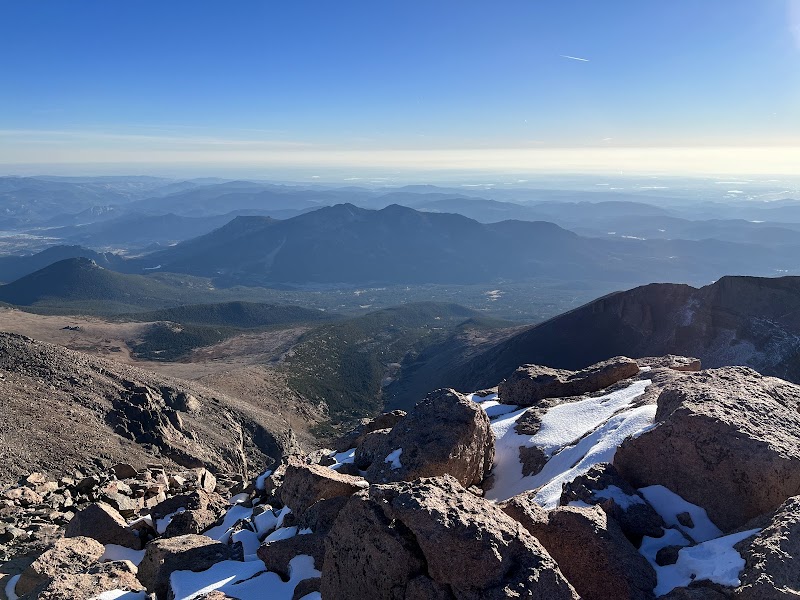
Start smart: typical e-fat bike trails here range from 5 to 15 miles, with elevation gains of 800 to 2,000 feet, demanding a blend of stamina and technical skill. Terrain shifts rapidly — from smooth, flowing singletrack through aspen groves to jagged, slab-rock descents that challenge your balance and control. Dry dirt trails can sweep dust into the air like teasing gusts, while wet sections dare your tires with slippery mud and exposed roots. Winter or early spring adds fresh challenges as loose snow and ice test tire grip.
Preparation isn’t optional. Hydration is crucial: thin air at altitudes between 8,000 to 11,000 feet dries the throat fast. A hydration pack with at least 2 liters is practical. Footwear should be sturdy with grippy soles to absorb shocks and secure footing when dismounting. Timing your ride for morning or late afternoon avoids midday heat spikes and maximizes cooler trail conditions.
Learning to read trail clues is key. Sandy patches will bow to fat tire flotation, but sharp-edged rocks demand cautious finesse — a slight shift in weight can mean the difference between control and slip. Battery management becomes part of your strategy: steeper climbs will drain power faster, so plan route segments keeping recharge points or ride time in mind. Always anticipate sudden weather swings; Colorado’s mountains shift moods quickly, from sunlit clarity to misty, wind-whipped pressure.
Embrace the challenge with respect. The Rockies speak through their twists and cracks, daring riders to adapt and respond rather than simply press forward. Each trail you engage with rewards your balance of resolve and humility with wide windows of expansive views: rock faces catching sun, rivers below daring you toward their banks, and groves whispering ancient, weathered secrets.
Whether you’re a casual explorer seeking accessible adventure or a seasoned rider craving rugged variety, electric fat biking in Colorado's Rockies offers a compelling ride that’s both exhilarating and pragmatic. The key is preparation and observation—attuned senses and smart gear transform each ride into a partnership with the mountain’s fierce, variable nature.
Nearby Trips
All Adventures
Boat Charters
Water Activities
Adventures near Boulder
Discover the unique and memorable adventures that make Boulder special.
Frequently Asked Questions
What trail conditions are best suited for electric fat bikes in the Rockies?
Electric fat bikes perform well on loose dirt, snow-covered trails, and rocky paths due to their wide tires and motor assistance. Avoid overly technical rock gardens unless you have solid off-road biking skills.
How do I manage battery life on longer rides?
Use lower motor assistance on flat sections and reserve higher settings for climbs. Turn off motor boost when descending or resting, and recharge during breaks if you carry a compatible charger.
Are electric fat bikes allowed on all national forest trails in Colorado?
Regulations vary; some trails restrict electric bikes, especially motorized ones, so check with local forest service rules and trail-specific guidelines before heading out.
What wildlife might I encounter during rides?
Common sightings include mule deer, elk, and the occasional black bear. Early mornings or late afternoons increase your chances. Maintain respectful distance and avoid disturbing their natural behavior.
What are some lesser-known viewpoints along popular fat bike routes?
Look for turn-offs near Flagstaff Mountain outside Boulder and the quieter corridors along the Boulder Creek Path where sweeping valley views reveal themselves in unexpected pockets.
How do I prepare for sudden weather changes while riding?
Carry a compact, waterproof jacket and extra layers. Monitor local forecasts before leaving and keep an eye on the sky during the ride, retreating promptly if storms approach.
Recommended Gear
Hydration Pack
Keeps you hydrated with easy access to water; essential for high altitude rides where dehydration occurs quickly.
Protective Helmet
A well-fitting helmet is necessary for safety over technical terrain and variable trail surfaces.
Layered Clothing
Allows you to adapt to quick temperature changes typical of mountain environments.
Portable Bike Repair Kit
Includes tools and spares for common issues like flat tires or chain slips, critical when riding remote trails.
Local Insights
Hidden Gems
- "Lost Gulch Overlook offers a secluded vista away from heavier traffic with panoramic Rocky Mountain views."
- "Alpine lakes tucked off the main trails provide quiet spots for rest and wildlife watching."
Wildlife
- "Mule deer"
- "Elk"
- "Mountain bluebirds"
- "Red fox"
History
"Many trails follow routes once traversed by Indigenous Ute peoples and early settlers moving west, preserving footprints of Colorado’s layered human history."