
Navigating Lake Mohave: Essential Boating Safety and Environmental Rules
Lake Mohave offers boaters a blend of rugged desert views and clear waters, but its wild nature demands respect. Understanding safety requirements and environmental guidelines ensures your experience is both thrilling and responsible.
Always Wear a Life Jacket
Life jackets are required by law and are your first line of defense against unexpected falls or rough waters on Lake Mohave.
Respect Wake and Speed Zones
Follow posted speed limits and no-wake areas to protect shorelines and aquatic habitats from erosion and disturbance.
Prevent Invasive Species
Clean boats, trailers, and gear thoroughly before launching to halt the spread of non-native plants and animals.
Check Weather and Water Conditions
Monitor local reports for wind shifts or temperature changes that can impact safety and comfort on the water.
Navigating Lake Mohave: Essential Boating Safety and Environmental Rules

Fish Boat Rental
Multiple Rental Days Available | All Ages
Discover the thrill of exploring Lake Mohave with a private Fish Boat Rental in Bullhead City, AZ. Perfect for fishing, relaxing, and enjoying scenic views in a secluded setting.
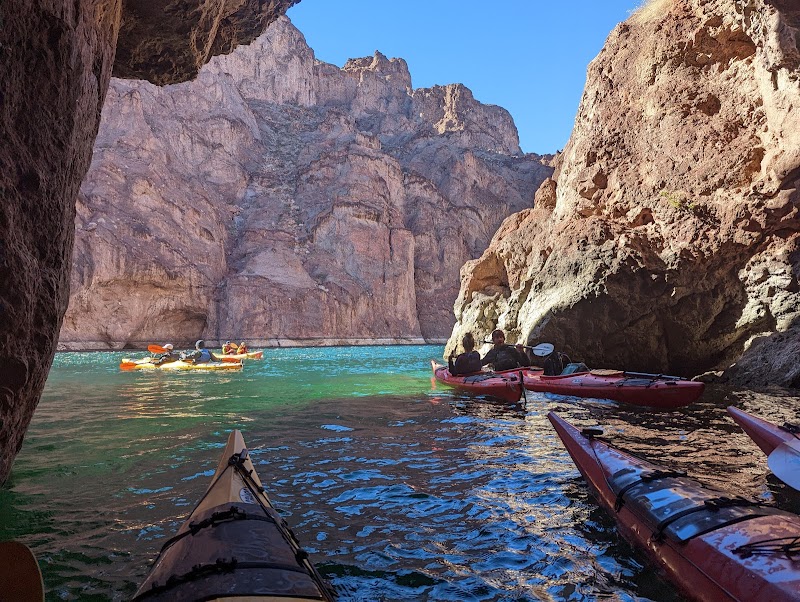
Lake Mohave invites boaters into a dynamic water world where rugged desert cliffs meet shimmering blue waves. But the lake is fiercely itself—its currents, wildlife, and shoreline demand respect and awareness. Before sliding your vessel into the water, understanding safety protocols and environmental regulations is critical—and can transform your trip from risky to rewarding.
The lake stretches over 67 miles along the Arizona-Nevada border, its towering cliffs daring your boat to push onward. Its waters are home to swiftly changing conditions—from calm mornings to afternoon gusts from nearby canyons. A safety checklist starts with wearing life jackets—mandatory for all passengers—and ensuring all safety gear is onboard and functional. Carry a working radio or other communication device; cell signals vanish where cliffs swallow the sky.
Familiarize yourself with speed zones: wake restrictions protect fragile shorelines and solitary coves where birds and fish claim refuge. Ignoring these can lead to erosion, disturbing spawning fish beds below surface. The lake’s clear water reveals spots where underwater rocks lurk—charts and local maps are essential for avoiding hazards that could damage your craft or endanger lives.
Environmental rules extend beyond speed limits. Lake Mohave is within the Lake Mead National Recreation Area, which means regulations prevent pollution from fuel spills or trash dumping. Pack out all waste and avoid introducing invasive species by cleaning your boat thoroughly before launching. The lake hosts native fish such as the razorback sucker, which rely on the ecosystem’s purity to thrive.
Boating season stretches from early spring through fall, when mild weather invites long outings. Summers bring intense heat; plan early launches, carry ample water, and shade gear. In cooler months, fewer boats mean peaceful cruising but prepare for sudden weather changes. Local ranger stations offer updates on conditions and environmental alerts.
On Lake Mohave, every adventure demands a balance—between thrill and caution, exploration and stewardship. Respect the lake’s power and ecology, and it will reward with vibrant panoramas, wildlife sightings, and the freedom to roam a landscape shaped by natural forces yet open for your discovery.
Nearby Trips
All Adventures
Boat Charters
Water Activities
Adventures near Boulder City
Discover the unique and memorable adventures that make Boulder City special.
Frequently Asked Questions
Are life jackets mandatory on Lake Mohave?
Yes, US Coast Guard regulations require life jackets for every person on board at all times. Wearing them significantly improves safety in unpredictable water conditions.
What areas of Lake Mohave have restricted boating?
Certain coves and shorelines enforce no-wake zones and speed limits to protect fragile habitats, especially near spawning sites and nesting bird areas. Always observe posted signs.
Can I launch any type of boat on Lake Mohave?
Most motorized and non-motorized boats are allowed, but all vessels must comply with safety equipment requirements and environmental rules. Jet skis and boats with gas engines are permitted but with restrictions.
What should I do to avoid spreading invasive species on the lake?
Clean your boat, trailer, and gear thoroughly before and after visiting Lake Mohave. Remove plants, animals, and mud to prevent ecological damage to the lake’s native species.
Are there hidden or less crowded spots for boating on Lake Mohave?
Yes. Areas like Cottonwood Cove and Lake Mohave Cove see fewer boats, offering quiet waters and excellent opportunities for wildlife viewing and fishing.
Is fishing allowed from boats on Lake Mohave?
Fishing is permitted with a valid license, and many anglers come for native fish like largemouth bass and razorback sucker. Follow size and bag limits to support sustainable populations.
Recommended Gear
US Coast Guard-Approved Life Jacket
Critical for every passenger; ensures flotation if you fall overboard or in turbulent water.
Waterproof Radio or Communication Device
Vital for receiving weather updates and calling for help in emergencies where cell coverage is spotty.
Sun Protection Gear
Includes sunscreen, hats, and UV-protective clothing to prevent sunburn and heat illness.
Boat Cleaning Kit
Used to remove invasive species from hulls and trailers to protect Lake Mohave’s ecosystem.
Local Insights
Hidden Gems
- "The Phantom Canyon boat launch for quick access with minimal crowds"
- "Elongated beaches on the Nevada side perfect for picnics and nature watching"
Wildlife
- "Bald eagles nesting along cliffs during winter"
- "Desert bighorn sheep on rocky outcrops near the shoreline"
- "Native razorback sucker fish visible in clear shallow waters"
History
"Lake Mohave lies within the Lake Mead National Recreation Area, created in the 1930s to harness the Colorado River. The area holds cultural importance for local Native American tribes and preserves remnants of early settlers' mining operations."