Mastering Hoover Dam Views: Photography Tips from Lake Mead
Photographing Hoover Dam from Lake Mead offers an adventurous blend of rugged hiking and striking scenic views. This guide equips you with practical tips to capture the iconic dam and its desert surroundings, highlighting the best times, gear, and vantage points for an unforgettable outing.
Start Early or Late
Plan your hike around sunrise or sunset to avoid harsh midday light and to capture dynamic shadows and color contrasts.
Hydrate Thoroughly
Bring at least 2 liters of water per person. The desert sun and exertion demand steady hydration to maintain energy and focus.
Wear Supportive Footwear
Trail shoes with solid grip are critical due to mixed terrain of gravel, rocky ledges, and sandy patches along the shoreline.
Protect Your Gear
Dust and sand can damage camera equipment. Use protective lens covers, keep gear in sealed bags, and clean regularly.
Mastering Hoover Dam Views: Photography Tips from Lake Mead

Hoover Dam Discovery via Lake Mead - Shuttle
5 Hours • Includes Shuttle + Park Entry
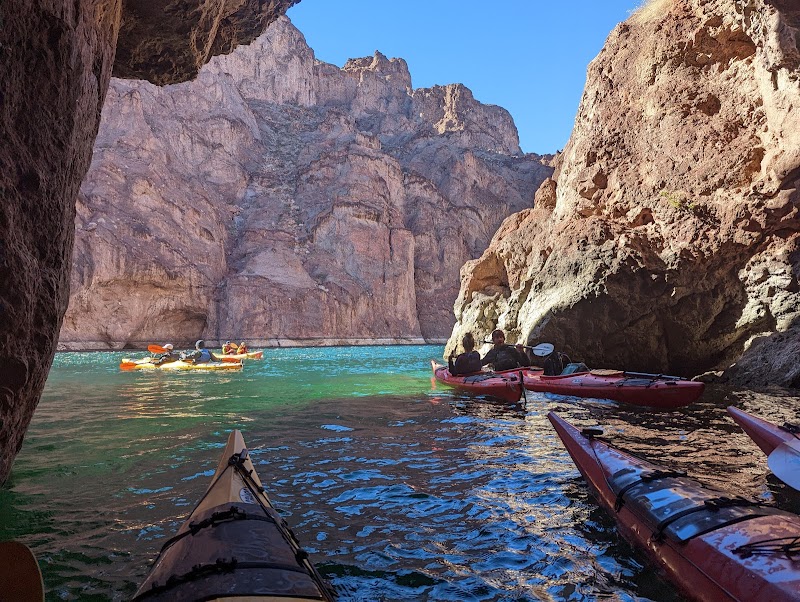
Paddle along Lake Mead’s calm waters to the iconic Hoover Dam, passing dramatic slot canyons and striking desert cliffs. Discover a kayak adventure that blends natural beauty with engineering marvels.
Hoover Dam's imposing structure looms large above the turquoise expanse of Lake Mead, inviting photographers to capture its blend of human engineering and raw desert landscape. Approaching from the lake, the vistas unfold in layers—the dam’s colossal concrete arch carved into side canyons, water shimmering under unyielding sunlight, and surrounding red-rock cliffs daring the horizon’s reach. To make the most of this vantage point, timing is key: early mornings lend soft shadows highlighting the dam’s contours, while late afternoons wash the canyon in warm hues, sharpening contrasts for dramatic shots.
Start with a solid landing at one of Lake Mead’s marinas, then hike along the shoreline trails where the terrain shifts between sandy stretches and rugged rockslides. The distance from Willow Beach launch to prime viewpoints near the dam is roughly 4 miles round trip, with a manageable elevation gain of 300 feet—enough to engage without exhaustion. Footwear should be sturdy, gripping the variable mix of loose gravel and smooth stone. Keep hydration close; the desert sun pushes hard, especially from May through September.
Play with your composition by framing the dam against the sweeping background of the Colorado River’s serpentine path below, or isolate angular lines where water meets concrete. A polarizing filter will be your ally, cutting glare and revealing the lake’s depths beneath your lens. For wider panoramas, a wide-angle lens captures both the dam and the expansive lake basin, while zooms pick out details—engine rooms, spillways, and even excursion boats ferrying adventurers close to the walls.
Don’t overlook the subtle dance of weather—cloud shadows drifting over the canyon’s lip animate the scene, and sudden wind can stir restless ripples on Lake Mead’s surface. These elements demand your attention and patience, sharpening your eye to moments when nature and man-made boldness collide. As evening approaches, the dam’s floodlights flicker on, transforming it into a glowing guardian against the desert night, perfect for long exposures or star-trail photography if you camp nearby.
Whether you’re a weekend hiker or a seasoned trekker, these viewpoints combine accessible adventure with rewarding image captures. Respect the land’s fierce spirit; the desert environment isn’t tame—it tests your preparation and attention but rewards you richly. Pack your gear wisely, time your visit thoughtfully, and let Hoover Dam from Lake Mead reveal a striking story through your lens.
Nearby Trips
All Adventures
Boat Charters
Water Activities
Adventures near Boulder City
Discover the unique and memorable adventures that make Boulder City special.
Frequently Asked Questions
Are drones allowed for photography near Hoover Dam from Lake Mead?
No, drones are prohibited within the Hoover Dam area due to security restrictions. Stick to handheld cameras from approved viewpoints.
Can I hike around the entire perimeter of Lake Mead near Hoover Dam?
Complete perimeter hikes are extensive and challenging with limited maintained trails. Focused hikes near marinas and shorelines on the western side provide better access and viewpoints.
What wildlife might I encounter during this hike?
Expect to see desert cottontails, lizards darting over rocks, and occasionally desert bighorn sheep on distant cliffs. Birdwatchers may spot peregrine falcons hunting near the dam.
Is night photography at Hoover Dam from Lake Mead feasible?
Yes, but requires preparation. The dam is illuminated after dark, creating striking photos, but nighttime hiking conditions can be tricky. Bring headlamps and extra batteries.
Are there lesser-known spots around Lake Mead for unique dam views?
Willow Beach offers quieter shoreside views with closer proximity to the water and the Colorado River’s quieter inlets, offering alternate perspectives rarely crowded.
What environmental practices should photographers follow here?
Stay on trails to prevent erosion, pack out all trash, avoid disturbing wildlife, and use natural light without artificial enhancement that disturbs habitats.
Recommended Gear
Hydration Pack or Water Bottles
Staying hydrated under desert conditions is non-negotiable, especially in summer when temperatures soar.
Trail Hiking Shoes
Good grip and ankle support reduce injury risk on uneven gravel and rock stretches.
Polarizing Filter
Cut glare from lake surfaces and enhance sky contrast for clearer, richer images.
Sun Protection (Hat, Sunscreen, Sunglasses)
Desert sun is relentless; protect skin and eyes during exposed periods for comfort and safety.
Local Insights
Hidden Gems
- "Willow Beach Marina shoreline viewpoints"
- "Historic Hoover Dam bypass bridge observation spots"
- "Quiet inlets on the southwestern lake shore"
Wildlife
- "desert bighorn sheep"
- "peregrine falcons"
- "rock squirrels"
History
"Hoover Dam, completed in 1936, was a monumental engineering achievement that tamed the Colorado River to supply water and hydroelectric power to the Southwest."