
Discover how to time your tandem rides around Boise’s dynamic landscapes and weather patterns for a seamless adventure. This guide blends practical advice with vivid insights into the terrain and seasonal shifts to help riders of all levels plan their perfect outing.
Start Early or Late to Avoid Heat
Plan rides before 10 a.m. or after 6 p.m. during warmer months to dodge intense midday heat and gusty winds that challenge balance and endurance.
Pack Ample Hydration
Bring at least two liters of water for rides lasting a few hours, increasing intake proactively to offset Boise’s dry air and fluctuating temperatures.
Bring Appropriate Footwear
Opt for shoes with sturdy soles and solid grip to maintain traction across varying trail conditions, including asphalt, gravel, and dirt.
Check Weather Ahead
Boise’s weather can shift quickly, especially in fall and spring. Monitor forecasts for storms or wind events which can affect trail safety and riding conditions.
Timing Tandem Rides Around Boise’s Scenic Conditions
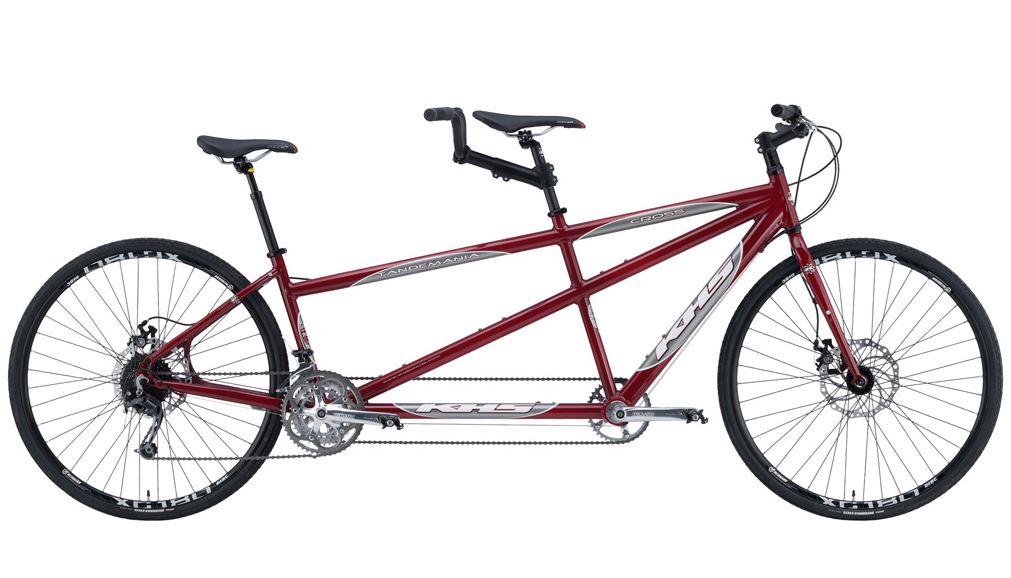
Tandem Rental
Take a Tandem for a spin!
Discover Boston from a new perspective on a tandem bike with Urban Adventours. This private rental is perfect for sharing a fun, relaxed ride through the city’s scenic spots and historic streets.
Boise, Idaho, offers a vibrant mix of terrain and weather that dramatically shapes the experience of tandem rides. Whether you’re pedaling through the foothills or tracing the contours of the Boise River Greenbelt, knowing when to ride is key. Timing your tandem adventure matters—not just for comfort but for safety and the full sensory payoff.
Starting with the route, tandem rides near Boise typically cover 10 to 25 miles, with elevation gains ranging from gentle riverbanks to steeper foothill ascents of 500 to 1,000 feet. Trails vary from paved greenbelts alongside rushing waters that dare you to keep pace with their current, to gravel and dirt backroads lined with pine and sagebrush that stand vigilant in the dry mountain air.
Spring unlocks the foothills with blooming wildflowers and fresh, cool air pressing softly against your skin. Early mornings and late afternoons hold the sweetest spots for riding, avoiding midday wind gusts that test your control. Hydration is crucial when the sun gains strength—pack two liters for a half-day ride and drink often, even if thirst seems mild. Footwear should include shoes with good grip; trails may shift rapidly from smooth asphalt to rough gravel where loose stones will challenge your balance.
Summer’s arrival turns Boise’s landscape fiercer: heat radiates off rocks and carries on dry breezes. Timing rides before 10 a.m. or after 6 p.m. keeps you out of the peak heat, when the landscape feels like it’s locking eyes with you, daring you to push harder. Expect dusty trails with a higher risk of sudden wind gusts, which require steady tandem coordination. Sunscreen and lightweight layers will be your best allies here.
Fall’s cooler temperatures and clearer skies invite longer rides. The foothills shed their green to burnished gold and russet, and the wind shifts gentle. This season offers arguably the best conditions for longer, moderate-to-challenging tandem rides, with manageable terrain and invigorating air. Keep an eye on weather forecasts as afternoon thunderstorms can develop unexpectedly, quickly transforming trails.
Winter rides come with their own set of challenges; snow is occasional but temperatures often drop below freezing. Clear days offer crisp air and quiet trails, but icy patches demand caution and slower speeds. If venturing out, equip your tandem with tires suited for slick surfaces and dress in moisture-wicking, layered clothing.
Precise timing, equipment, and awareness make Boise tandem rides not just possible but a rewarding engagement with nature’s mood swings. These rides command your respect but also give back—every pedal stroke feeds off the landscape’s pulse, the whisper of the wind, the defiant push of the river.
Planning your tandem trip around Boise’s conditions ensures you meet this experience on equal footing: prepared, attentive, and ready to respond. This is not just a ride; it’s a conversation with a landscape fiercely itself.
Nearby Trips
All Adventures
Boat Charters
Water Activities
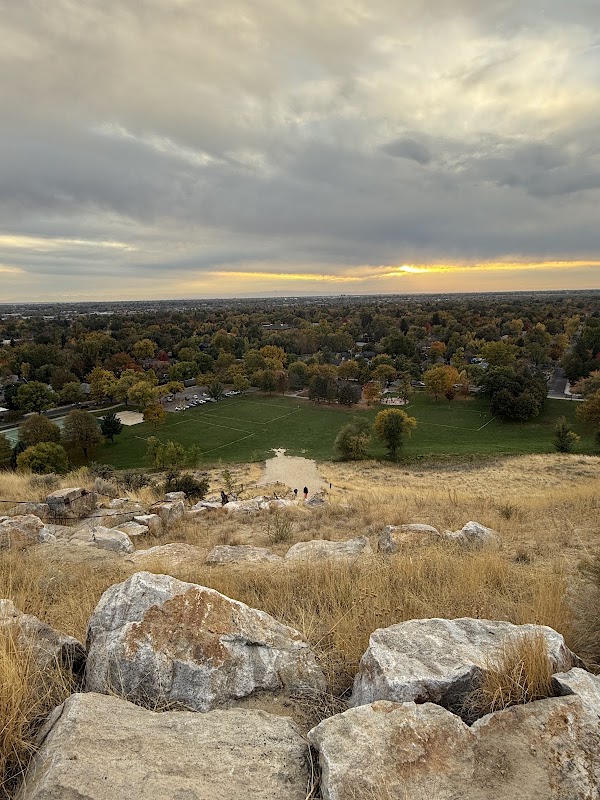
Adventures near Boise
Discover the unique and memorable adventures that make Boise special.
Frequently Asked Questions
What is the best time of day for tandem rides near Boise?
Early morning and late afternoon are optimal for avoiding midday heat, especially from late spring through summer. These times offer cooler temperatures and softer light, improving both comfort and visual experience.
Are Boise's tandem ride trails suitable for beginners?
Many trails along the Boise River Greenbelt are beginner-friendly with flat, paved paths. More challenging foothill routes require moderate fitness and tandem experience, particularly where elevation gain and rough terrain are present.
What wildlife might I encounter on these rides?
Expect to spot deer grazing quietly at dawn, hawks circling overhead, and the occasional fox darting through sagebrush. The Boise foothills are also home to raptor species and small mammals that interact cautiously with human presence.
Are there any lesser-known scenic spots along these routes?
Look for the Hidden Springs overlook north of the river trails—it offers sweeping valley views with far fewer visitors. Another gem is the Boise River wildlife refuge, where quiet waters push quietly against reeds and you can catch glimpses of waterfowl.
How should I prepare for rapidly changing weather?
Bring lightweight, waterproof layers and check local forecasts before heading out. Boise’s foothills can brew quick storms, especially in fall and spring. Carrying a compact rain shell and extra water helps manage sudden weather shifts.
Is it better to bring a tandem bike or rent locally?
If you want to focus solely on the ride without transport hassle, consider renting from Boise outfitters that offer tandem bikes. This avoids challenges of traveling with large equipment, though bringing your own allows for customization.
Recommended Gear
Hydration Pack or Water Bottles
Staying hydrated is crucial in Boise’s climate to maintain energy and avoid heat-related issues.
Multi-surface Riding Shoes
Shoes with good traction support varied trail surfaces from pavement to gravel.
Lightweight Layers
Layering adapts to temperature swings, especially for chilly mornings or sudden weather changes.
Sunscreen and Sunglasses
Protects skin and eyes from strong Idaho sun, particularly on exposed ridges and open stretches.
Local Insights
Hidden Gems
- "Hidden Springs overlook with panoramic views"
- "Boise River wildlife refuge boardwalks"
- "Quiet side trails of Hulls Gulch for wildflowers"
Wildlife
- "Mule deer"
- "Red-tailed hawks"
- "Red foxes"
- "Great blue herons near water"
History
"Boise’s transformation began as a gold rush waypoint, shaping its trails originally as mining paths. Modern cycling routes follow these historic arteries carved by settlers and indigenous traders."