Comfort on the trail is less about escaping nature and more about embracing it with smart gear choices. This guide walks you through gear setup essentials that keep you comfortable, dry, and energized as the wilderness challenges your every move.
Choose the Right Tent for Conditions
Match tent durability and weight to the expected weather and terrain. Three-season tents suit mild conditions, while four-season tents handle harsher environments.
Position Your Tent Wisely
Set up on flat, firm ground surrounded by natural windbreaks to minimize wind exposure and maximize shelter.
Keep Hydration Easy to Access
Store water bottles or hydration systems within easy reach to encourage steady hydration throughout camp and hikes.
Separate Cooking and Sleeping Areas
Place your camp kitchen downhill and away from your sleeping area to prevent odors or sparks from interfering with restful nights.
Maximizing Comfort With Camping Gear Setup in Outdoor Conditions

6 Day Camping Rentals
Ages 18+ to Rent • Camping Packages Available
Embark on a 6-day outdoor camping adventure in Montana with all the gear provided by Peak Rentals of Montana LLC. Discover scenic trails, pristine lakes, and Montana’s rugged beauty with ease and comfort.
When you step off the trail and into your campsite, the wild isn’t just a backdrop—it’s a force, testing your preparedness and resolve. Comfort in the outdoors hinges on smart gear setup that withstands changing weather and varied terrain. From selecting the right shelter to positioning your gear with purpose, each choice stakes a claim on your experience.
Start with your tent: select a model rated for the conditions you expect. Lightweight backpackers might opt for a three-season tent that balances weight with protection, while those tackling higher elevations or variable weather should upgrade to a four-season structure. Pitch your tent on flat, durable ground, ideally shielded by natural windbreaks like ridges or dense shrubs—lessening the relentless push of the wind.
Next, layer your sleep system with intention. A quality sleeping pad not only insulates you from the cold ground but also stabilizes your rest, letting you face tomorrow’s miles with energy intact. Pair this with a sleeping bag suited to nighttime lows; synthetic fills wick moisture, while down retains heat if kept dry. Adding a liner can boost warmth and ease cleanup.
Organize your camp kitchen—and keep it tidy. Place cooking gear downhill and at a safe distance from your tent to avoid sparks or odors attracting curious wildlife. A compact stove, windscreen, and lightweight cookware simplify meal prep in unpredictable conditions.
Hydration is non-negotiable. Position your hydration reservoir or bottles within reach to maintain a steady intake as the forest dares you forward. Freeze a few water bottles before your trek; they’ll stay cool longer and help maintain lower internal pack temperatures.
Footwear deserves attention beyond the hike. By campfire, slip into breathable camp shoes or sandals to relax your feet and prevent blisters from prolonging their reign the next day. Dry socks stored in waterproof bags restore warmth and comfort after a damp day.
Finally, light sources and their placement define your evenings. Headlamps leave hands free for tasks, while lanterns cast welcoming pools of light inviting reflection or gathering.
Maximizing comfort isn’t about weightless luxury—it’s a strategic advantage against nature at its most irresolvable. Setting your gear correctly is your way to respect this fierce environment, entering it prepared to listen, respond, and rest well.
Nearby Trips
All Adventures
Boat Charters
Water Activities
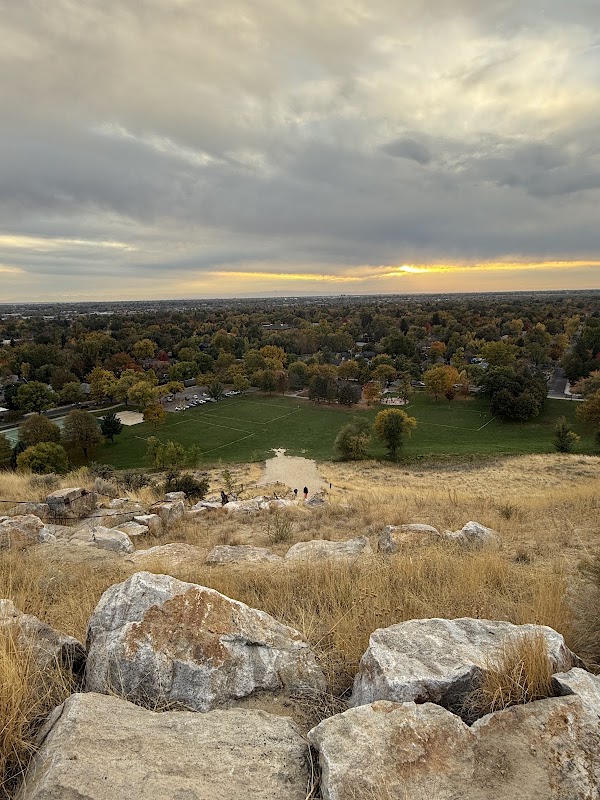
Adventures near Boise
Discover the unique and memorable adventures that make Boise special.
Frequently Asked Questions
How do I avoid moisture buildup inside my tent?
Pitch your tent with adequate ventilation, preferably on higher ground to avoid pooling water. Use rain flies carefully to allow air exchange while minimizing rain entry.
What’s the best way to keep insects away during setup?
Choose campsites away from stagnant water; use insect repellent and netted covers. Evening setup benefits from wind or slightly elevated spots that disrupt insect swarms.
How can I warm up the campsite on chilly nights without fire hazards?
Layer your sleeping system with insulated pads and liners. Use hand warmers inside gloves or sleeping bags and avoid overheating by regulating clothing layers.
Can I camp anywhere along the trail?
Respect designated campsites to reduce environmental impact. Off-trail camping may be restricted to prevent wildlife disturbance and vegetation damage.
What’s the best method to purify water at camp?
Boiling water is reliable; alternatives include portable filters or chemical purifiers. Always source water upstream and clear of animal activity.
How do I keep gear organized and accessible in a small camp setup?
Use compact stuff sacks and compartmentalize by function (sleep, cooking, personal). Assign fixed camp spots to items to avoid clutter and quick retrieval.
Recommended Gear
Three or Four-Season Tent
Provides necessary shelter with weather protection and ventilation fitting the expected conditions.
Insulated Sleeping Pad
Adds cushion and essential insulation from cold ground, improving sleep quality and endurance.
Lightweight Camp Stove
Enables quick, safe meal prep without fire risk, maintaining energy on the trail.
Hydration System or Water Bottles
Ensures steady water intake, critical during warm weather and physical exertion.
Local Insights
Hidden Gems
- "Riverside Clearings offering panoramic mountain views"
- "Secluded groves where dawn light filters sharply through evergreen branches"
Wildlife
- "White-tailed deer cautiously approach water sources at dusk"
- "Elusive pileated woodpeckers drum their presence on tree trunks"
History
"This region has roots in early forestry and Native American trails, offering quiet reminders of those who moved through these woods long before."