Idaho’s Chukar terrain offers a rugged, hands-on hiking experience filled with rocky ridges and challenging river crossings. This guide breaks down exactly what you’ll need—footwear, hydration, navigation—to tackle the terrain safely and confidently.
Use Trekking Poles for River Crossings
Rivers here can push unexpectedly hard; trekking poles stabilize footing on slippery stones and swift currents.
Start Early to Avoid Heat
Sun exposure on open ridges rises quickly; plan to begin hikes early morning to stay cool and hydrated.
Wear High-Ankle, Grippy Shoes
Rocky terrain and uneven ground require shoes that protect your ankles and grip dirt and stone efficiently.
Carry Multi-Tool Navigation Gear
Bring a map, compass, and GPS—river crossings and terrain changes can make trails confusing.
Essential Gear Setup for Idaho’s Chukar Terrain and Rivers

Cast & Blast Private Trip
1 & 2 day Fishing and Chukar Hunting Trip
Discover the thrill of a private fishing adventure along Idaho's scenic rivers. Hammer Down River Excursions offers an exclusive Cast & Blast experience that combines fishing and wilderness exploration in White Bird. Read on to learn more about this unforgettable outdoor activity.
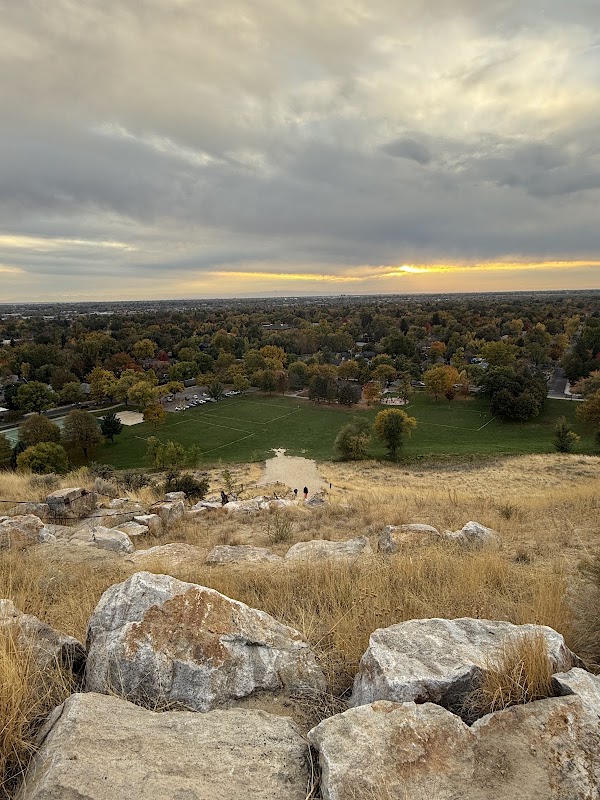
Idaho’s Chukar terrain demands respect—a rugged mix of steep ridges, dry draws, and swift rivers that seem to invite challenge at every turn. Covering a typical route means preparing for 8 to 12 miles with elevation gains often ranging between 1,200 to 2,000 feet. Paths wind through pine and juniper stands, where dry earth crunches underfoot and rocky slopes test your footing. Water routes, meanwhile, push forward with lively currents, daring you to cross or follow alongside without surrendering to them.
To face this fiercely individual landscape, gear matters more than just convenience—it’s about safety and performance. Footwear should feature aggressive tread and ankle support; loose riverbeds and uneven terrain can quickly punish wrong shoes. Hydration is critical—the dry air sucks moisture faster than you expect. Bringing a 3-liter capacity hydration pack paired with fast-refill water treatment keeps you balanced and ready to press onward.
Layering is key. Mornings chill with mountain breezes, but midday sun can turn ridges into dry ovens. Breathable, moisture-wicking fabrics paired with a durable softshell offer a practical climate buffer. At the river crossings that punctuate the route, quick-dry socks and waterproof gaiters will save hours of discomfort.
Navigation tools deserve your full attention here. Though trails are marked, terrain shifts and interruptions by water crossings can disorient even familiar hikers. A map, compass, and GPS device should all ride in your pack; knowledge and preparation beat luck every time.
For river challenges, trekking poles provide stability against unpredictable footing and rushing currents. They can be your ally when the river seems to edge forward aggressively or when stones slide underfoot.
Timing your outing also balances practicality with experience. Early spring offers fresh water flows and green valleys but beware of snow patches lingering above 5,000 feet. Summer dries the trails but can bake open ridges, making early starts essential to avoid heat stress. Fall rewards with cooler air and golden hues—a fine season to conquer the chukar slopes with crisp breath and steady pacing.
In short, preparing for Idaho’s chukar terrain and rivers means embracing its dual nature: rugged and raw, yet strikingly rewarding when met with the right gear and mindset. The adventure is direct and unfiltered, demanding focus, respect, and readiness to engage with a landscape fiercely itself.
Nearby Trips
All Adventures
Boat Charters
Water Activities
Adventures near Boise
Discover the unique and memorable adventures that make Boise special.
Frequently Asked Questions
How difficult are the river crossings in the Chukar terrain?
River crossings vary from shallow, slippery beds to waist-deep currents, especially during spring runoff. Trekking poles and careful route selection are essential to cross safely.
Are there any permits needed to hike in this area?
Generally, no specific permits are required for day hikes on public land in the Chukar terrain, but checking with Boise National Forest regulations before your trip is recommended.
What kind of wildlife might I encounter?
Expect mule deer, chukar partridge, and a variety of raptors. Keep an eye for rattlesnakes sunning on rocks during warmer months.
Is cell phone signal reliable in the area?
Signal is spotty; don’t rely on your phone for navigation or emergency contact. Traditional map and compass skills are highly advised.
Are dogs allowed on the trails?
Dogs are allowed but should be kept on leash, especially near wildlife and river crossings for safety.
What time of day is best for photography?
Early morning and late afternoon provide side lighting for ridges and softer colors around rivers, enhancing texture and depth in your shots.
Recommended Gear
High-Ankle Hiking Boots
Protects ankles and provides solid grip on uneven, rocky terrain common in the Chukar area.
Hydration Pack (3L capacity)
Keeps you hydrated over long distances and dry air; essential for summer heat and extended hikes.
Waterproof Gaiters
Keeps debris and splashes out during river crossings and muddy stretches, especially when water levels are high.
Navigation Kit (Map, Compass, GPS)
Helps maintain direction through trail variations and river interruptions, ensuring consistent route awareness.
Local Insights
Hidden Gems
- "A small waterfall tucked mid-trail near Middle Fork Creek"
- "A rarely visited ridge viewpoint overlooking the Payette River canyon"
Wildlife
- "Chukar partridge known for their sudden flushes"
- "Mule deer grazing in forest clearings"
- "Occasional sightings of bobcats"
History
"The Chukar region sits along traditional hunting grounds of local Native American tribes and later became a key passage for miners and settlers in the 19th century."