The Pryor Mountains offer a dynamic hiking experience, one shaped by the changing light, trails, and wildlife that respond to every season. Understanding when to visit ensures you encounter the landscape at its most vivid and manageable, making your adventure both thrilling and practical.
Start Early to Beat the Heat
In summer months, temperatures spike quickly. Begin your hike at dawn to avoid the harsh midday sun.
Pack Layers for Sudden Weather Shifts
Mountain weather can change rapidly. Carry windbreakers and insulating layers year-round.
Hydrate Often and Bring Extra Water
Water sources are limited along many Pryor trails, especially in summer and fall. Carry at least 2 liters per person.
Use Trail Maps and GPS
Trails can be ill-marked, and weather or season can obscure paths. GPS or a detailed map helps prevent getting lost.
Timing Your Trek: The Pryor Mountains’ Shifting Landscapes Through the Seasons

2 Seater Rentals
18+ to drive • 8 Hours
Discover the beauty of Montana with Ride Pryor Mountain's private 2 Seater Rentals in Bridger. Perfect for exploring scenic trails at your own pace, this adventure offers a personalized outdoor experience like no other.
The Pryor Mountains command respect—not just for their rugged ridges and sweeping views but for the way they shift as the seasons turn. Planning a visit here is more than picking a day; it’s tuning in to nature’s own timetable.
Stretching over a 30-mile expanse in southern Montana and northern Wyoming, the range is home to trails that vary in difficulty, offering 3 to 10 miles of hiking routes with elevation changes between 500 and 2,000 feet. Here, forests push their roots deep into limestone cliffs, and grasslands sway alongside wild horses that seem to challenge your progress.
Spring awakens the mountains cautiously. Snow lingering in shaded canyons dares your step with slick trails but rewards patience with newborn greenery and bursts of wildflowers. Late April through May offers cooler hikes, but be prepared for mud and fluctuating weather. This season demands waterproof footwear, layered clothing, and extra caution on steep approaches.
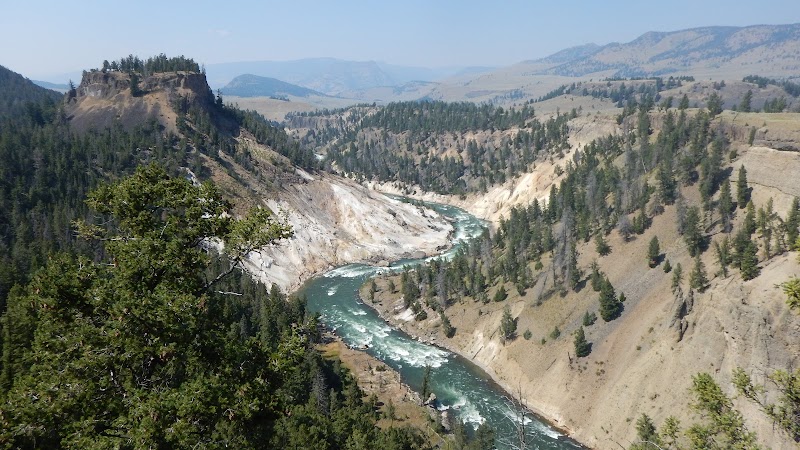
By summer, from June into early September, the trails dry and harden. The sun presses down as grasslands seem to ripple like golden waves. Stream crossings become brief, shallow confrontations rather than obstacles, but the heat pushes hikers to start early and carry plenty of water. Shade is sparse, so hats and sun protection become essential. Rewarding panoramic overlooks—such as those above East Pryor Canyon—invite moments to soak in the vast openness.
Autumn's arrival is marked by a sharper, cooler breath. September and October dress the forests in muted gold and ochre, creating a quieter, more contemplative hike. Wind picks up unexpectedly here and there, urging hikers to have an extra insulating layer close at hand. Wildlife becomes more visible, especially bighorn sheep and mule deer, who move with deliberate calm through thinning foliage.
Winter is a stern companion. Snow shrouds paths, and ice clings stubbornly to rock. The Pryor Mountains resist taming, and only the most prepared venture out. November through March sees fewer visitors but offers stark beauty; frozen streams challenge your footing, and quiet descends over forest and canyon alike. Winter gear, crampons, and knowledge of weather forecasts are non-negotiable.
To best experience the Pryors’ shifting scenery, plan your timing based on the kind of adventure you seek. Spring and fall deliver a balance of comfortable temperature and vivid contrast. Summer demands endurance and hydration but exposes you to the widest trails and fullest daylight. Each season paints the landscape fiercely itself, asking you to bend to its rules and rhythms.
Prepare accordingly: reliable boots, layered clothing, sun protection, and plenty of water are your constants. A map and compass—or GPS—are always recommended, especially when clouds gather or daylight shrinks.
Engaging with the Pryor Mountains means accepting its mood changes, tuning into its shifting light, and letting each season guide your steps. By timing your trek thoughtfully, you will not only avoid unnecessary hardship but enrich your experience of a landscape that defies stillness and demands respect.
Nearby Trips
All Adventures
Boat Charters
Water Activities
Adventures near Billings
Discover the unique and memorable adventures that make Billings special.
Frequently Asked Questions
When is the best time to see wild horses in the Pryor Mountains?
Wild horses are visible year-round but often most active during cooler mornings and evenings in spring and fall. Early summer mornings can also reveal them grazing in open meadows.
Are there any lesser-known viewpoints worth seeking?
Yes, Oelrichs Ridge offers spectacular, less-trafficked views over the Bighorn Canyon and appears less on typical itineraries. The climb is steep but rewards with wide-open panoramas.
What wildlife should hikers be aware of?
Aside from wild horses, look for bighorn sheep, mule deer, and golden eagles. Caution is advised as rattlesnakes inhabit rocky, sun-exposed areas particularly in warmer months.
How accessible are water sources along the trails?
Streams run intermittently, often reduced late summer and fall. It’s safest to carry sufficient water or a reliable filtration system to avoid dehydration.
Are the trails well marked?
Many trails are marked but some have faded or temporary markers. GPS or detailed maps are recommended, especially in less traveled sections or during times of snow cover.
What should hikers know about Leave No Trace practices here?
Given sensitive vegetation and wildlife, pack out all trash, avoid disturbing wild horses, and stick to established trails to preserve the fragile ecosystem.
Recommended Gear
Sturdy Hiking Boots
Support and traction for rocky, uneven trails are critical year-round in the Pryors.
Layered Clothing
Quickly changing weather calls for moisture-wicking base layers with insulating and waterproof outer layers.
Hydration System
Ample water storage or filtration for longer hikes, especially in dry summer months.
GPS Device or Trail Map & Compass
Navigation tools are necessary due to changing trail conditions and sparse markings.
Local Insights
Hidden Gems
- "Oelrichs Ridge Viewpoint"
- "Hidden picnic spots near Big Pryor Creek"
- "Isolated wild horse herds on the western plateau"
Wildlife
- "Wild horses"
- "Bighorn sheep"
- "Golden eagles"
- "Mule deer"
- "Rattlesnakes"
History
"The Pryor Mountains are sacred to the Crow Nation, whose cultural presence shapes local respect for the landscape. Early settler routes and cattle trails also cross these ranges, revealing layers of human history."