
Crafting Immersive Adventures: Leveraging Themed Environments and Sensory Cues
Immersion in outdoor adventure is more than arriving at a trailhead—it’s about syncing your senses with the environment through intentional themed setups and sensory cues. Discover how simple strategies elevate your connection to nature, turning every hike into a vivid, engaging experience.
Choose the Right Trail to Match Your Theme
Select routes whose ecosystems and terrain reflect the adventure style you want to immerse yourself in, whether dense forest solitude or expansive ridge views.
Pack Sensory-Friendly Gear
Bring lightweight, breathable clothing and minimal noise gear to fully engage with natural sounds and tactile sensations of the environment.
Time Your Hike for Optimal Sensory Engagement
Start early or late in the day to avoid harsh light and peak heat, allowing senses like hearing and sight to remain sharp and inviting.
Stay Hydrated and Energized
Use electrolyte-enhanced water and carry snacks that recharge without disrupting your pacing or focus on surroundings.
Crafting Immersive Adventures: Leveraging Themed Environments and Sensory Cues

Multi Room Reservations
All Rooms start at the Same Time
Looking for a private, customizable space for your group in Powell, Ohio? Lockology Columbus offers flexible multi-room reservations perfect for gatherings, events, or team outings. Read on to learn more about this top rental experience.
The art of enhancing immersion in any outdoor adventure hinges on carefully designed themed environments and the deliberate use of sensory cues. Imagine stepping into a setting where every element — the crunch of leaves underfoot, the whisper of the wind through pine needles, the distant splash of a daring river — works in concert to pull you deeper into the experience. This isn’t about escapism alone; it’s about engaging genuinely with your surroundings to create a more vivid, memorable adventure.
Start with environment setup by aligning the theme of your hike or outing with tangible environmental elements. If the goal is to experience wilderness solitude, pick a trail that offers dense forest cover and minimal human noise. Trails like the Pine Ridge Trail in California’s Ventana Wilderness provide a practical context: 23 miles, roughly 4,500 feet of elevation gain, rugged terrain shifting from shaded canyons to open ridges. Here, the environment itself reacts—breezes pushing through chaparral, sunlight flickering through curved oaks—that sense heightens your connection to place.
Sensory cues are the tools that bring any theme to life. Sight is obvious, but don’t overlook sound, smell, touch, and even taste. The scent of damp earth after a morning rain sharpens awareness; the rough bark of a towering redwood invites hand contact, anchoring you in reality. Birdcalls challenge you to identify species, creating mental links beyond the visual. These cues encourage a rhythm to your movement—slower descents to hear rushing creeks, deliberate pauses at vista points where the horizon dares you to look further.
Practicality means preparing for this engagement. Footwear with reliable traction is a must, especially on uneven or wet surfaces that characterize immersive trails. Hydration is more than water—consider electrolyte mixes to keep energy steady. Timing your start to avoid midday heat or dense fog ensures your senses work at full capacity, rather than fighting discomfort.
Remember, immersion involves respecting the environment’s wild character—it’s fiercely itself, not a staged experience. Encountering muddy patches, unexpected gusts, or startled wildlife are components, not setbacks. When you allow these moments space, the environment rewards you with a deeper sense of place.
Setting up an immersive adventure also means tailoring your gear and mindset to enhance sensory engagement without distraction. Minimalist packs, clear but unobtrusive navigation tools, and clothing that breathes join the setup. Prepare to move with awareness, balancing excitement with caution.
In sum, themed environment setup and sensory cues are not just methods—they are invitations to a more grounded and gripping adventure. By designing your journey with intention and respect for nature’s rhythms, each step on the trail becomes an encounter, every sound a conversation. Your next hike, whether a short walk or a multi-day trek, can transform into an active dialogue with the wilderness around you.
Nearby Trips
All Adventures
Boat Charters
Water Activities
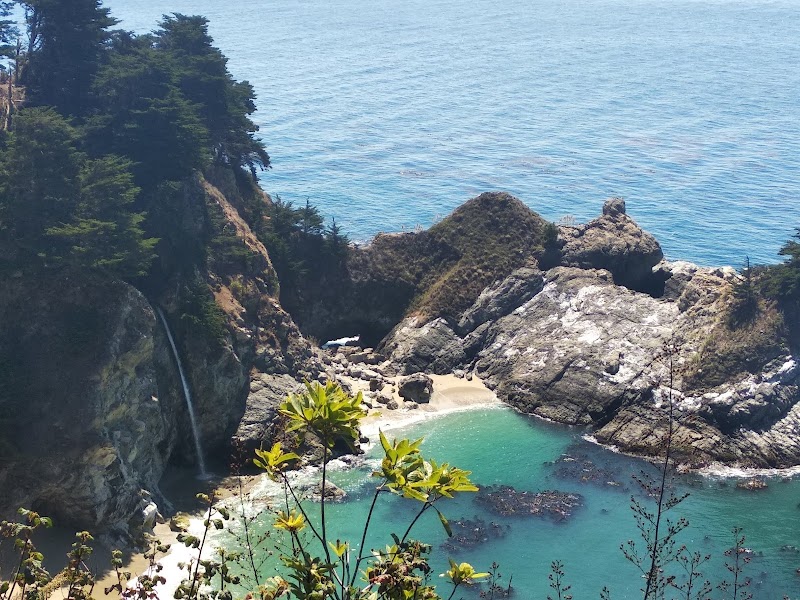
Adventures near Big Sur
Discover the unique and memorable adventures that make Big Sur special.
Frequently Asked Questions
How do themed environments actually improve my hiking experience?
Themed environments focus your attention and expectations, allowing you to engage with specific elements like forest depth or panoramic views, which makes the adventure feel more immersive and meaningful.
Can sensory cues be used safely on strenuous hikes?
Absolutely. Sensory cues enhance awareness rather than distract. By tuning into sounds, smells, and textures, hikers can better anticipate trail conditions, wildlife presence, or even weather shifts.
What if weather worsens—should I still engage with the environment deeply?
Respect nature’s power. Deteriorating weather calls for caution, but staying mentally engaged with sensory details helps you remain alert and safe, maintaining connection even under challenging conditions.
Are there gear recommendations to avoid sensory overload?
Choose lightweight, quiet gear and avoid heavy technology use. Devices that emit noise or bright lights disrupt natural sensory engagement, so keep gadgets to a minimum.
Does immersion vary between solo and group hikes?
Solo hikes often allow deeper personal focus on environmental cues without distractions, but with a mindful group, shared sensory experiences can enrich everyone’s connection to the trail.
How can I practice sensory awareness before a hike?
Start by noticing simple sensations in daily life — the feel of fabrics, ambient sounds, or scents — to train your brain to pause and absorb details once outdoors.
Recommended Gear
Trail Running or Hiking Shoes with Good Traction
Grip on rocky or muddy surfaces is crucial to maintain steady movement and avoid accidents.
Lightweight Backpack
Allows carrying hydration, snacks, and sensory-enhancing items without hindering immersion through bulk.
Layered Clothing System
Adaptability to temperature changes preserves comfort and sensory alertness throughout the hike.
Electrolyte Hydration Mix
Maintains energy levels and hydration during warmer conditions that intensify physical demand.
Local Insights
Hidden Gems
- "Sykes Hot Springs for a sensory soak"
- "Lost Valley Overlook for quiet panoramic views"
- "Twelve Apostles coastal viewpoints for dramatic shoreline encounters"
Wildlife
- "California spotted owls calling at dusk"
- "River otters splashing in creeks"
- "Monarch butterflies during fall migrations"
History
"This region carries a legacy of Native American trade routes and early conservation efforts that shaped wilderness protection policies still active today."